
It feels like every business is trying to figure out how to handle calls better, right? Especially with so many people working remotely or just needing help after regular hours. Well, it turns out AI is stepping in to fill that gap. We're looking at how affordable 24/7 AI virtual receptionist 2025 solutions are becoming a real game-changer for businesses of all sizes. It's not just about saving money, though that's a big part of it. It's about making sure no customer feels ignored, no matter when they reach out. Let's see what this tech can really do.
It’s 2025. Your business is open, but is your phone line? In today’s world, customers expect instant answers, day or night. Waiting until Monday morning for a callback on a Friday night inquiry isn't just inconvenient; it's a lost opportunity. An AI virtual receptionist means your business is always on. No more missed calls, no more frustrated potential clients hanging up. It’s about being available when it matters most, which, let’s be honest, is pretty much all the time.
Let’s talk brass tacks. Hiring a human receptionist, especially one available 24/7, is expensive. You’re looking at salaries, benefits, training, and the inevitable overhead. An AI receptionist flips that script. It’s a predictable, significantly lower monthly cost. Think of it as getting a full-time, always-on, never-complaining employee for a fraction of the price. This isn't about replacing people; it's about making smart resource allocation.
Customers today don't just want service; they want immediate service. They’re used to instant gratification from their apps and online interactions. An AI receptionist delivers that. It can answer common questions, schedule appointments, and even qualify leads with natural-sounding conversation. This level of responsiveness isn't just good service; it's becoming the baseline expectation. Businesses that don't adapt risk falling behind.

Forget the clunky bots of yesteryear. Today's AI receptionists are sophisticated tools that do more than just answer the phone. They're built to handle real work, understand what people are saying, and actually do things.
This is where AI has really come into its own. The tech now allows for what's called Natural Language Processing (NLP). Basically, it means the AI can understand human speech, even with accents, slang, or imperfect grammar. It doesn't need specific keywords; it figures out what you mean. This means conversations feel less like talking to a machine and more like talking to a person. The system can process calls in milliseconds, keeping pace with natural conversation. This speed is key; it stops those awkward pauses that make you realize you're talking to a computer. It's about making the interaction smooth, not a chore.
When the AI can't resolve an issue or needs to pass on information, it takes messages. But it's not just recording audio. The AI automatically transcribes voicemails into text. This means you can quickly read messages instead of listening to them, saving time. The system organizes these messages, so you don't have to hunt for them. It can even pull out key details like names and contact info, making follow-up easier. This turns a simple voicemail into actionable data.
This is a big one. Instead of just taking a message saying "I want to book a meeting," the AI can actually do it. It connects to your calendar in real-time. It checks for available slots, finds one that works for the caller, and books it. Then, it sends out the confirmation. This isn't just about convenience; it's about capturing opportunities instantly. You stop losing potential clients because they couldn't get through or had to wait for a callback. The AI handles the back-and-forth, freeing you up. It's like having a personal assistant who never sleeps, dedicated to filling your schedule. You can even set specific rules for how it schedules, like blocking off certain times or prioritizing certain types of appointments. This level of automation means your calendar stays full without you lifting a finger. For businesses looking to streamline operations, this kind of AI can be a game-changer.
Think of your AI receptionist not as a standalone gadget, but as a new team member that plugs into everything else you're already using. It's about making your existing tools work harder, not just adding another thing to manage. The real power comes when this AI starts talking to your other software.
Zapier is like the universal translator for your business apps. If your AI receptionist can connect to Zapier, it can connect to over 9,000 other services. This means when your AI handles a call, it doesn't just take a message; it can automatically update your CRM, create a task in your project management tool, or send an email. It’s about making things happen automatically after a call ends, without anyone lifting a finger. This saves a ton of time and stops those little details from falling through the cracks.
Your Customer Relationship Management (CRM) system is probably the heart of your customer data. An AI receptionist that integrates directly with your CRM means every call, every lead, every bit of information gathered is instantly logged. No more manual data entry. The AI can pull up customer history to personalize the conversation or add new contact details right after the call. This keeps your data clean and your sales team informed, so they can act fast.
This is where things get interesting. Your AI receptionist can do more than just answer the phone. It can be set up to trigger actions based on the conversation. For example, if a caller needs support, the AI could automatically create a support ticket. If they're a potential lead, it could schedule a follow-up call for your sales team. It turns the phone line from a simple communication channel into a workflow engine that keeps your business moving forward.
Look, nobody wants a surprise bill. With AI receptionists, you can set a hard cap on how many minutes the system is active. Think of it like a prepaid phone plan, but for your virtual assistant. You can usually set these limits daily, weekly, or monthly. It’s a solid way to keep your spending predictable. If you're just starting out or have a pretty good idea of your typical call volume, this feature helps you avoid overspending. Some systems even let you define what happens when you hit that limit – maybe it goes to voicemail, or perhaps it forwards the call to a human. It’s all about giving you control.
Bill shock is the worst. With AI receptionists, you can often choose pricing models that make budgeting easier. Some services charge per minute, while others might charge per call or offer tiered plans based on usage. Understanding these structures is key. For instance, a per-call model might be better if your calls are usually short, whereas a per-minute model could be more cost-effective if your AI handles longer, more complex interactions. Many providers offer clear breakdowns of what's included in each plan, so you can pick one that fits your budget and expected usage. This predictability means you can allocate funds more effectively and stop worrying about unexpected charges. It’s about making the technology work for your financial plan, not the other way around. You can explore different pricing options to find the best fit for your business needs.
To really get your money's worth, you need to think about how you're using the AI. It’s not just about setting limits; it’s about using the AI smartly. Are you using it for tasks that genuinely save your human staff time? Are you directing the most complex or sensitive calls to your human team while letting the AI handle the routine stuff? Analyzing your call data and AI performance reports can show you where you're getting the most bang for your buck. Some platforms provide detailed analytics, showing you things like call volume, resolution rates, and even customer satisfaction scores related to AI interactions. This information helps you fine-tune your AI's knowledge base and workflows, making it even more efficient and, ultimately, boosting your return on investment. It’s about making sure your AI receptionist isn't just a cost center, but a revenue driver by improving customer experience and freeing up your team for higher-value tasks. Managing your AI receptionist's usage isn't just about saving money; it's about making sure the technology is working as hard as possible for your business. By setting clear limits and understanding your billing, you can ensure this powerful tool contributes positively to your bottom line without any nasty surprises. You can find more details on how to optimize your AI's performance by looking into solutions like Samson Properties AI.
The best systems recognize AI's limitations. They act as a filter. The AI handles the routine booking and basic questions. But if it detects an upset tone or a complex problem, it should immediately transfer the call to a human. This creates a hybrid model in which technology handles the volume and humans handle the value.
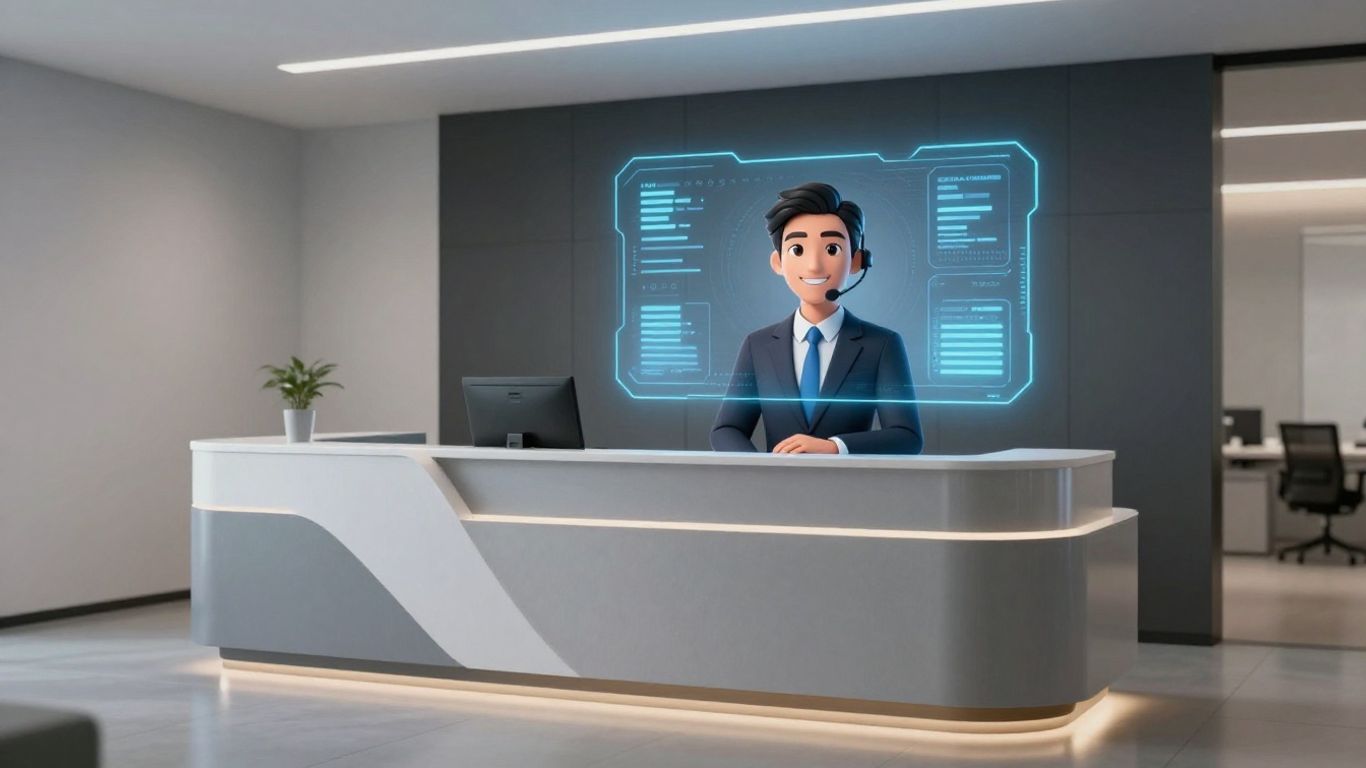
Beyond the basics, modern AI receptionists pack some serious punch. These aren't just glorified answering machines; they're sophisticated tools designed to handle complex interactions and scale without breaking a sweat.
Remember the days of busy signals? That's ancient history. Your AI receptionist can handle an infinite number of calls simultaneously. It doesn't matter if your business is booming or if a thousand people decide to call at once – your AI is ready. This means no more missed opportunities just because your phone lines are full. It's like having a receptionist who can clone themselves infinitely, always ready to greet the next caller. This capability alone can drastically change how many leads you capture, especially during unexpected surges in interest. It's a game-changer for businesses that experience unpredictable call volumes, ensuring every customer gets attention.
Time is money, and your AI receptionist understands that. You can set precise active times, ensuring it only operates when you want it to. This isn't just about turning it on and off; it's about context. The AI knows if it's a holiday, a weekend, or a regular Tuesday. It adjusts its responses accordingly, providing relevant information without sounding out of place. For instance, it won't tell a caller you're open on Christmas Day. This level of control means your AI acts like a true extension of your business, respecting your operational hours and specific needs. It's about making sure the AI always says the right thing, at the right time, to the right person.
Let's face it, AI can sometimes stumble over names or industry jargon. That's where pronunciation guides come in. You can teach your AI how to correctly pronounce specific names, products, or technical terms. This feature is surprisingly important for maintaining a professional and natural-sounding interaction. When the AI gets names right, it shows attention to detail and respect for the caller. It moves the conversation from feeling robotic to feeling genuinely helpful. This attention to detail makes a big difference in customer perception and overall satisfaction. It’s a small feature that adds a lot of polish to the AI's performance, making it sound less like a machine and more like a well-trained human assistant. This capability is key for businesses with unique terminology or a diverse customer base, ensuring clear and respectful communication for everyone. You can even use this to improve lead qualification by ensuring the AI correctly identifies and addresses potential clients.

Think about all those calls coming in. Some are existing customers, sure, but many are folks just starting to look at what you offer. If your current setup means some of those potential customers get sent to voicemail or worse, just hang up, you're literally throwing money away. AI receptionists change that game. They don't get tired, they don't get overwhelmed, and they're always on.
This is where AI really starts to pay for itself. Instead of just taking messages, the AI can be trained to ask the right questions. It can figure out if someone is just browsing or if they're ready to buy. It can collect basic info – name, company, what they're looking for – and even qualify them based on criteria you set. This means your sales team gets a list of warm leads, not just random voicemails. They can spend their time talking to people who are actually interested, not chasing down tire-kickers.
The real win here is efficiency. You're not just answering more calls; you're answering better calls. The AI acts as a first line of defense, doing the grunt work of initial contact and qualification, freeing up your human talent for closing deals.
If you're already running a business that works with other companies – maybe a marketing agency, a web design shop, or even an IT consultant – this is a natural add-on. You can offer AI virtual receptionist services under your own brand. Think about it: your clients need to answer their phones, but hiring staff for 24/7 coverage is expensive. You can provide that solution, powered by someone else's tech, but sold as yours. This means a new revenue stream with relatively low overhead. You're essentially packaging a proven technology and selling it as part of your own service suite.
This is the next step from reselling. Instead of just putting your logo on someone else's product, you can build a business around AI services. You'd partner with a provider, get their tech, and then market it as your own unique offering. You control the pricing, the customer relationships, and how you position yourself in the market. It’s about creating a distinct identity in the growing AI space. You can focus on specific industries or types of businesses, tailoring your AI receptionist service to their particular needs. This isn't just about selling a tool; it's about building a brand that businesses trust for their communication needs.
Want to make your business bigger and better? Using smart computer programs, called AI, can help you grow and handle more work. These tools can do many jobs for you, freeing up your time to focus on what matters most. Imagine having a helper that never sleeps! Ready to see how AI can boost your company? Visit our website to learn more and get started today!
Look, the old way of handling calls just doesn't cut it anymore. Letting the phone ring unanswered or sending people to voicemail is basically handing business to your competition. AI receptionists aren't some futuristic fantasy; they're here, and they're affordable. They pick up the slack, handle appointments, and keep things moving, all without needing sleep or a paycheck. It’s a simple upgrade that makes a big difference. If you’re still on the fence, just think about how many calls you’re missing right now. It’s probably more than you realize.
An AI virtual receptionist is like a smart computer helper for your business phone. It can answer calls, chat with people, set up appointments, and answer common questions, all by itself, any time of day or night. It's like having a receptionist who never sleeps!
Getting started is usually super fast! You can often set up your AI receptionist in just a few minutes. You just need to give it some basic info about your business, and it's ready to go, sometimes even on the same day.
Yes, these AI receptionists are designed to understand and respond to a variety of questions. They can be trained with your business's specific information, allowing them to handle more complex inquiries than older, simpler automated systems.
Definitely! Hiring a human receptionist involves paying a salary, benefits, and more. An AI receptionist usually has a set monthly fee that's much lower, especially for 24/7 coverage. This makes it a great way for smaller businesses to afford great customer service.
You can set limits on how many minutes your AI receptionist is active. If it reaches that limit, you can choose what happens next, like sending the call to voicemail or forwarding it to someone else. This helps you control costs and make sure the AI is used when you need it most.
Yes! Many AI receptionists can connect with other apps you use, like your calendar or customer relationship management (CRM) software, thanks to things like Zapier. This means it can automatically update your calendar when an appointment is made or add new contact info to your CRM.
Start your free trial for My AI Front Desk today, it takes minutes to setup!


