
Okay, so we're talking about voice AI in healthcare and what's coming up for 2025. It feels like things are really picking up speed, right? From just answering phones to actually helping with patient care, it's a big jump. Lots of hospitals and clinics are looking at this stuff seriously now, trying to figure out how it can make their jobs easier and help patients more. It’s not just about fancy tech; it's about making healthcare work better for everyone. We'll look at some of the main ways this is happening and what we can expect.
Forget those clunky IVR systems that make you press numbers until your thumb goes numb. We're talking about a whole new ballgame with conversational AI. This isn't just about understanding keywords; it's about actual dialogue. Think of it as talking to a smart assistant, but one that actually gets what you're saying, even if you don't say it perfectly. These systems use natural language processing, which is basically teaching computers to understand human speech like we do. It's what makes them able to handle complex requests and multi-turn conversations without getting lost.
Then there's agentic AI. This is where things get really interesting. Agentic AI doesn't just chat; it acts. It can autonomously handle intricate tasks. Imagine an AI that can help with medical coding, analyze patient data to suggest treatment options, or even manage parts of diagnostics. It's like having a super-competent assistant who can process vast amounts of information and make informed suggestions. This isn't science fiction anymore; it's becoming a reality in healthcare, helping clinicians make faster, better decisions.
The market for conversational AI in healthcare is booming. It was valued at over $13 billion in 2024 and is projected to skyrocket. Agentic AI is growing even faster, with growth rates expected between 35-40% over the next five years. This surge is driven by the need for efficiency, better patient outcomes, and the sheer volume of data healthcare professionals have to manage.
Here's a quick look at what makes this possible:
The real magic happens when these components work together seamlessly. It's not just about the tech, though. It's about building trust and making these tools genuinely useful for both patients and providers. When an AI can understand you, respond appropriately, and even take action, it changes everything.
Connecting voice AI directly to Electronic Health Records (EHR) and Electronic Medical Records (EMR) systems is a big deal. It’s not just about making things a bit easier; it’s about fundamentally changing how information flows in healthcare.
Think about it. Doctors and nurses spend a huge chunk of their day typing notes, looking up patient history, and filling out forms. When voice AI can pull that information directly from the EHR or, even better, push dictated notes straight into it, it cuts down on a lot of wasted time. This means more time for actual patient care. The goal is to make the EHR a passive recipient of information, not an active bottleneck.
This integration isn't simple, though. EHR systems are complex, often built over years with specific workflows. Getting AI to play nice with them requires careful planning. It’s about understanding the data structures, the security protocols, and how clinicians actually use the system day-to-day. Companies are working on this by building APIs or using middleware to bridge the gap. It’s a bit like building a translator so the AI and the EHR can speak the same language.
Here’s what this integration looks like in practice:
The real win here is when the AI doesn't just read from the EHR, but actively understands the context of the patient's visit and uses that to inform its actions. It’s moving from simple data transfer to intelligent assistance.
This kind of deep integration is what allows AI to move beyond being a simple tool and become a true partner in clinical operations. It’s a key step towards a more efficient and patient-focused healthcare system. For businesses looking to offer these kinds of advanced solutions, understanding how to connect with existing EHR systems is paramount.
Getting patients the right help, when they need it, is still a big hurdle. AI is starting to change that. Think of it as a better front door for healthcare. Instead of patients getting lost or waiting too long, AI can help guide them. It can figure out what they need and point them in the right direction, whether that's booking an appointment or getting basic info.
This isn't just about making things easier for patients, though. It's about making sure they actually get the care they're supposed to. Sometimes, after a visit, people just drop off the radar. AI can help keep them on track. It can send reminders, check in, and make sure they're following through with treatment plans. This kind of proactive support can make a real difference in how well people recover and manage long-term conditions.
The goal is to make healthcare feel less like a maze and more like a clear path. When patients feel supported and informed, they're more likely to stick with their treatment and have better health outcomes. It's about using technology to make care more personal and effective, without adding more work for already busy staff.
Healthcare is drowning in paperwork. Seriously, it feels like for every hour a doctor spends with a patient, two more are spent wrestling with forms, insurance claims, and scheduling. This isn't just annoying; it's a massive drain on resources and a big reason why healthcare costs keep climbing.
AI is starting to chip away at this administrative mountain. Think about prior authorizations – that dreaded process that can take days or even weeks. AI can now handle much of this, sifting through records and submitting requests in minutes, not days. This frees up staff and, more importantly, gets patients the treatments they need faster.
It's not just about big, complex tasks either. AI can automate things like:
This isn't science fiction anymore. Companies are already using AI to cut down on the time clinicians spend on documentation, which is a huge chunk of their day. The goal is to get the focus back to patient care, not administrative busywork.
The sheer volume of administrative tasks in healthcare is staggering. Automating even a fraction of these processes could save billions annually and significantly reduce burnout among medical professionals. It's about making the system work better for everyone involved.
By taking over these repetitive, time-consuming tasks, AI allows healthcare staff to concentrate on what they do best: caring for patients. It’s a practical application of technology that has a real, immediate impact on efficiency and, ultimately, patient outcomes.
Think of virtual health assistants as your digital nurse or medical aide, but available 24/7. These AI-powered tools are stepping in to handle a lot of the routine stuff that used to take up valuable time for both patients and healthcare staff. They're not just glorified chatbots; they're designed to interact naturally, understand what you're saying, and act on it.
What can they actually do? A lot, actually. For patients, they can remind you to take your medication, log your symptoms if you're feeling under the weather, or even help schedule appointments without you having to wait on hold. This is a big deal, especially for folks managing chronic conditions or those who live far from a clinic. It means more consistent care and less hassle.
Here’s a quick look at some common tasks they handle:
The real power comes when these assistants can talk to your Electronic Health Record (EHR). This means they can pull up your history, update your chart after a conversation, and generally make the whole system work more smoothly. It cuts down on errors and frees up doctors and nurses to focus on actual patient care, not paperwork. It's about making healthcare more accessible and efficient, one conversation at a time.

Doctors and nurses spend a lot of time on tasks that aren't directly patient care. Think about filling out forms, updating records, or even just trying to find the right information in a cluttered system. It's a drain on their time and energy.
Voice AI is starting to change that. It can help automate a lot of these background tasks. For instance, imagine a doctor dictating notes directly into the Electronic Health Record (EHR) system as they talk to a patient. The AI transcribes it, categorizes it, and puts it in the right place. This saves hours of typing later.
Here's how it's making a difference:
The goal is to free up clinicians so they can focus more on patients and less on administrative busywork. It's about making the day-to-day operations smoother, so the actual work of healing can happen more efficiently.
Think about how we actually talk. It's not neat. We stumble, we pause, we use slang. For AI to be useful in healthcare, it needs to get this. That's where Natural Language Processing (NLP) and speech recognition come in.
Speech recognition is the part that turns spoken words into text. It's got to be good. Not just "hello" good, but "patient's symptoms include dyspnea and tachycardia" good. It needs to handle different accents, background noise, and even mumbling. If it can't hear you right, the whole system falls apart.
NLP is what makes sense of that text. It figures out the meaning, the intent behind the words. Is the patient asking a question? Giving a command? Describing a symptom? This is where the AI starts to understand what's going on.
The better these two work together, the more natural and effective the interaction.
Here's a quick look at what's needed:
Early systems were clunky, relying on rigid commands. Today's advancements mean AI can handle the messy, unpredictable way humans communicate. This isn't just about convenience; it's about making healthcare more accessible and efficient by letting technology understand us, not the other way around.
Machine learning is the engine behind a lot of the smart stuff happening in voice AI for healthcare. It's not just about recognizing words; it's about understanding context, predicting needs, and learning over time. Think of it like a doctor who gets better with every patient they see. These algorithms sift through massive amounts of data – patient records, research papers, even call logs – to find patterns we'd never spot.
The real power comes from how these algorithms learn and adapt. They're not static. As more data flows in, they refine their predictions and actions. This means the AI gets more accurate, more helpful, and frankly, more useful the longer it's in use.
Here's a quick look at what's happening:
The goal isn't just to automate tasks, but to make the entire healthcare system smarter and more responsive. It's about using data to make better decisions, faster.
We're seeing this play out in areas like drug discovery, where ML models analyze research data to speed up the process. Even in diagnostics, AI algorithms are getting incredibly good at spotting subtle patterns in medical images, sometimes even better than human eyes. It's a constant evolution, driven by the data and the algorithms that process it.
Telehealth and remote monitoring are really changing how we handle patient care, especially outside the clinic walls. Think about it: instead of everyone needing to show up in person, we can keep tabs on folks from their own homes. This is huge for people with ongoing conditions or those who live far from a doctor's office.
Voice AI fits right into this. Imagine a system that can check in with patients daily. It could ask about symptoms, remind them to take their meds, or even just see how they're feeling. If something seems off, it flags it for a human clinician to look into. This isn't just about convenience; it's about catching problems early before they get serious.
Here's a quick look at how it works:
This kind of continuous, low-touch interaction can make a big difference. It helps patients feel more connected to their care and gives providers a clearer picture of what's happening between appointments. The goal is to make healthcare more accessible and proactive, using technology to bridge the distance.
The real win here is shifting from reactive care to something more predictive. By gathering data consistently, even simple data from voice interactions, we can start to see trends and intervene sooner. It's about using everyday conversations to build a more complete health profile.
Healthcare needs to talk to everyone, not just a select few. That means breaking down language barriers. Voice AI is getting pretty good at this, offering support in Spanish, Mandarin, Hindi, and other languages. It's not just about translation; it's about making sure people can get care without struggling to understand or be understood.
This also ties into accessibility for folks with disabilities. Think about someone who can't easily type or use a mouse. Voice commands become their primary way to interact. So, making these systems work well for diverse accents, speech patterns, and even for those with speech impediments is a big deal.
The goal is simple: equitable access to healthcare information and services for all, regardless of their background or abilities.
We're seeing AI that can:
It's a complex problem, but the payoff is huge. When you can reach more people, you improve health outcomes for entire communities. It's about building a healthcare system that truly serves everyone.
It turns out talking to a machine doesn't have to feel like talking to a machine. The next big thing in voice AI for healthcare is making these systems actually understand how you're feeling. We're not just talking about recognizing words anymore; it's about picking up on the tone of voice, the pauses, the stress. Think about a patient calling their doctor, worried about a new symptom. An emotionally intelligent AI wouldn't just log the symptom; it would recognize the anxiety and respond with a bit more warmth, maybe even offer a calming phrase before connecting them to a human.
This isn't just about being polite. It's about building trust, which is pretty important when you're dealing with people's health. When an AI can sense frustration or confusion, it can adjust its approach. Maybe it slows down, uses simpler language, or offers to repeat information. This makes the interaction feel more supportive and less like a transaction.
Here's what that looks like in practice:
The goal isn't to replace human empathy, but to augment it. An AI that can sense a patient's emotional state can provide a more supportive experience, especially during stressful times. It's about making technology feel more human, not the other way around.
This capability is a game-changer for patient engagement. It means that even automated interactions can feel more personal and caring. For healthcare providers, it means a better patient experience, potentially leading to improved adherence to treatment plans and overall satisfaction. It's a subtle shift, but one that could make a big difference in how people feel about their healthcare interactions.
When we talk about AI in healthcare, security isn't just a feature; it's the bedrock. Voice AI systems handle incredibly sensitive patient data, so keeping that information locked down is non-negotiable. This means robust encryption, strict access controls, and constant vigilance against breaches.
Voice biometrics are becoming a key player here. Instead of passwords or PINs, your voice itself acts as the key. It's like a unique fingerprint, but for your voice. This technology analyzes things like pitch, tone, and cadence to verify identity. It's faster than typing and, when done right, can be more secure.
Here’s a quick look at how it works:
This isn't just about keeping hackers out. It's also about making sure the right patient gets the right information. Think about it: a quick voice check before discussing test results or scheduling a sensitive appointment. It adds a layer of trust and privacy that traditional methods often lack.
The challenge is making this seamless. Nobody wants to repeat themselves or go through a lengthy verification process, especially when they're not feeling well. The goal is to make security invisible, working in the background without adding friction to the patient experience. It's a tough balance, but one that's absolutely necessary for widespread adoption.
Think about starting your own AI receptionist service. It sounds complicated, right? Like you need a whole tech team and a pile of cash. That's where a white label reseller program changes the game. It lets you offer advanced AI receptionist services under your own brand, without building the tech from scratch.
Basically, you get the technology, and then you slap your company's logo on it. Clients interact with your brand, not the underlying AI provider's. This means you can build your own business, set your own prices, and manage your client relationships directly. It's a fast track into the AI services market.
Here's what you're really getting:
The real advantage here is speed to market. You can launch your branded AI receptionist service in days, not months or years. This allows you to capture demand while the market is still developing, positioning yourself as an early leader.
This setup is ideal for agencies looking to add a new service or entrepreneurs wanting to start an AI-focused business. You get the tech, the support, and the ability to build your own brand equity in a rapidly growing field.
Think of Zapier as the glue that holds your digital life together. For healthcare AI, this isn't just a nice-to-have; it's how you make the AI actually do things beyond just answering a call.
Zapier lets your AI receptionist talk to thousands of other apps. This means when a call comes in, the AI can do more than just take a message. It can update your CRM, create a task in your project management tool, add an event to your calendar, or even send a follow-up email. It’s about making the AI a functional part of your existing workflow, not just another piece of software.
Here’s how it works in practice:
This integration transforms the AI receptionist from a simple answering service into a proactive assistant. It connects the dots between your phone system and the rest of your business operations, saving time and reducing errors. It’s about making your technology work for you, in real-time.
Remember when businesses used to worry about phone lines like they were made of gold? "Oh no, all our lines are busy!" they'd cry, as if Alexander Graham Bell himself had personally limited them to five calls at once. Well, we fixed that. Our AI receptionist doesn't just handle multiple calls. It handles all the calls. At once. Forever. It's like we gave it an infinite supply of ears and an attention span that would make a zen master jealous.
This isn't just about handling more calls; it's about handling them without a hitch, no matter the volume. Think of peak periods – Black Friday, a product launch gone viral, or even a minor crisis. Your AI doesn't flinch. It scales on steroids, maintaining consistency that would make a Swiss watch blush. The phrase "busy signal" becomes as obsolete as the floppy disk.
Why does this matter for healthcare? Happy patients, for starters. Your clinic stays accessible even when that influencer accidentally puts your phone number in their Instagram story. Your brand consistency remains intact whether it's the first call of the day or the ten thousandth. Every call becomes an insight, helping you understand patient needs better.
Imagine your product goes viral and thousands of calls pour in. Your AI doesn't break a sweat. It's like the phone equivalent of that "This is fine" meme dog, except everything actually is fine. Or when tax season hits and accountants everywhere brace for impact, your AI just yawns and asks, "Is that all you've got?"
If your service goes down and angry customers flood the lines, your AI handles it so well, they hang up wondering if they should apologize to you. When you go global, your AI juggles time zones like a cosmic deity. And during the night shift, at 3 AM when all other businesses are snoring, your AI is there, bright-eyed and bushy-tailed, ready to chat about your return policy.
This feature is like giving your business a superpower. It's the kind of thing that makes you wonder how you ever lived without it. Like smartphones. Or pizza delivery. Or pants with pockets.
Forget those old-school voicemails that just sit there, a digital black hole of missed opportunities. AI changes the game entirely. When a call can't be answered, the AI doesn't just offer to take a message; it understands the context. It knows when to prompt the caller for details, and crucially, it transcribes that message into text.
This isn't just about saving a few seconds. It's about making information accessible. Instead of listening back to a garbled recording, you get a clean, searchable text message. This means you can quickly scan your messages, identify what's urgent, and respond faster. It’s like having a personal assistant who filters your calls and summarizes the important bits.
Think about it: no more missed callbacks because you couldn't decipher a name or number. No more playing messages on repeat. The AI organizes these transcribed messages, often in a dedicated section, so you can easily track who called and what they needed. It’s a simple upgrade, but it makes a surprisingly big difference in staying on top of things.
The real win here is turning passive voicemails into active, usable data. It bridges the gap between a missed call and a resolved issue, making your communication flow much smoother.

Most people don't really think about how much lag matters when you're talking to someone. But it does. A lot. Our AI receptionist is fast. Like, really fast. We're talking milliseconds for response times. That's quick enough to keep up with a normal conversation.
Why is this a big deal? Because talking is like a dance. If one partner is slow, the whole rhythm gets messed up. A fast partner keeps things moving. Think about the last time you called a business and got a slow, robotic answer. Annoying, right? We've gotten rid of that.
Our AI doesn't just answer fast. It thinks fast. Ask it something complicated, and it doesn't even hesitate. It's like talking to the smartest person you know, but one who never needs a moment to figure things out.
This speed isn't just some fancy trick. It changes things. It turns what could be a frustrating call into a smooth, natural chat. It's the difference between feeling like you're talking to a machine and feeling like you're talking to someone incredibly capable.
And we're not done. We're really focused on speed. We have a whole team working on making our AI faster than anything else out there. We're always tweaking and optimizing, shaving off tiny bits of time. Because in a conversation, every bit of quickness counts.
This might seem like a small thing, but it's not. It's how communication is going to work. And it's here now, with our AI receptionist.
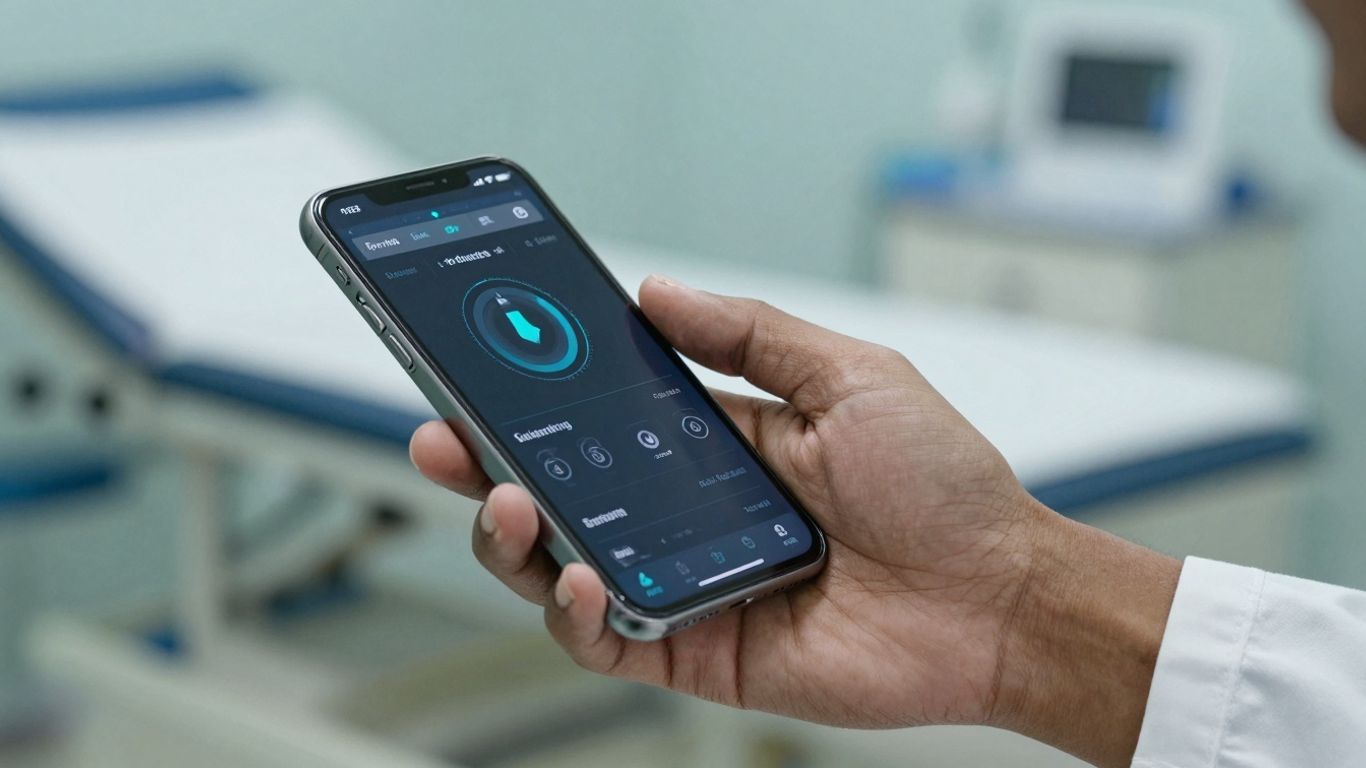
Think about how information usually gets stuck. You have a great sales call, or a tricky customer support interaction, and that knowledge just… sits there. It’s locked away in a call log, maybe a transcript if you’re lucky, but getting it to the right people is a hassle. It’s like having a brilliant idea but no way to write it down.
Shareable call links change that. We’ve made it as simple as sharing a YouTube video. You get a link, and that link contains the whole story: the recording, the transcript, who was on the call, how long it lasted, even the voice the AI used. No logins, no special software needed. Just a link.
Why bother? Because making information easy to move makes things happen faster.
It’s about removing the friction. When information flows freely, ideas spread, problems get solved, and your whole organization gets smarter. It’s not about security worries; it’s about the cost of not sharing. If you’re still treating call data like it’s ancient history, you’re missing out.
Think about how much time your staff spends on the phone. It adds up, right? And if you're using an AI receptionist, you probably want to keep a lid on costs. That's where setting a maximum number of minutes comes in handy.
This feature lets you put a cap on how long your AI receptionist can actively handle calls within a given timeframe. It’s not about limiting service, but about smart resource management. You can set daily, weekly, or monthly limits. Need more minutes during a busy season? You can adjust it. Trying to stick to a budget? Set a firm cap.
Here’s a quick look at how it works:
This isn't just about saving money, though that's a big part of it. It’s also about making sure your AI is available when you need it most. If you know Tuesdays are your busiest days, you can allocate more minutes then. It helps you predict costs and avoid those “what just happened?” billing shocks.
Controlling AI receptionist minutes is about balancing efficiency with predictability. It’s a way to ensure you’re getting the most value without overspending, especially as these tools become more integrated into daily operations.
Getting the words right is surprisingly hard for AI. It's not just about understanding what someone says, but also about how it responds. Think about medical terms, drug names, or even just patient last names. A mispronunciation can sound unprofessional, or worse, lead to confusion.
This is where pronunciation guides come in. They're essentially custom dictionaries for the AI. You can feed it specific terms, spell them out phonetically, and tell it how to say them. This is especially useful for:
It’s a small detail, but it makes a big difference in how polished and reliable the AI sounds. It’s about building trust, and that starts with clear, accurate communication. Without these guides, the AI might stumble over words, making the interaction feel clunky. With them, it sounds like it actually knows what it's talking about.
Want to know how to say things right? Our Pronunciation Guides section is here to help you sound like a pro! We break down tricky words so you can speak clearly and confidently. For more tips and to see how we can help your business communicate better, visit our website today!
So, what does all this mean for healthcare in 2025? It means things are changing, fast. AI voice tech isn't just a fancy gadget anymore; it's becoming a workhorse. From handling calls when your staff is swamped to making sure patients get the right info without a long wait, it's stepping up. The real win here is freeing up people to do the human stuff – the actual care. Expect more of this integration, more smart automation, and frankly, a smoother experience for everyone involved. It’s not about replacing people, but about giving them better tools to do their jobs.
Voice AI in healthcare means using smart computer programs that can understand and respond to spoken words. Think of it like talking to a helpful assistant on your phone or computer that knows a lot about health. These tools can help schedule appointments, answer questions about your health, and even remind you to take your medicine. They make it easier for you to get the care you need and for doctors and nurses to do their jobs better.
Voice AI can really help out healthcare workers by taking care of lots of the talking and paperwork. For example, it can answer the phone after hours, schedule appointments, or even help fill out forms. This frees up doctors and nurses so they can spend more time actually taking care of patients instead of getting bogged down with phone calls and computer tasks.
Yes, many Voice AI systems are being made to understand and speak different languages. This is super important because it means more people, no matter what language they speak, can get help and information about their health. It makes healthcare more fair and available to everyone.
Keeping your health information safe is a top priority. The companies making these Voice AI tools have to follow strict rules, like HIPAA, to protect your private details. They use strong security measures to make sure your conversations and personal health information are kept secret and aren't shared without your permission.
Voice AI is designed to be super fast, responding almost instantly, like in milliseconds. This means it can keep up with a normal conversation without awkward pauses. It feels much more natural, like you're talking to a real person who's really listening and knows what to say next.
Agentic AI is a more advanced type of AI that can handle complex tasks all by itself. In healthcare, this could mean things like helping doctors figure out the best treatment plan for a patient, or even helping with complicated medical billing. It's like having a smart assistant that can not only talk but also think and act on its own to solve problems.
Start your free trial for My AI Front Desk today, it takes minutes to setup!


