
So, you're thinking about getting an AI receptionist for your dental practice? It sounds fancy, but honestly, it's becoming a pretty common thing. It's all about making things easier for you and the folks who come in for appointments. We're talking about cutting down on all that busywork that eats up your staff's day. This article is going to break down how you can actually set up an ai receptionist customization dental practice to work just right for you. It’s not as complicated as it sounds, and it could really change how your office runs.
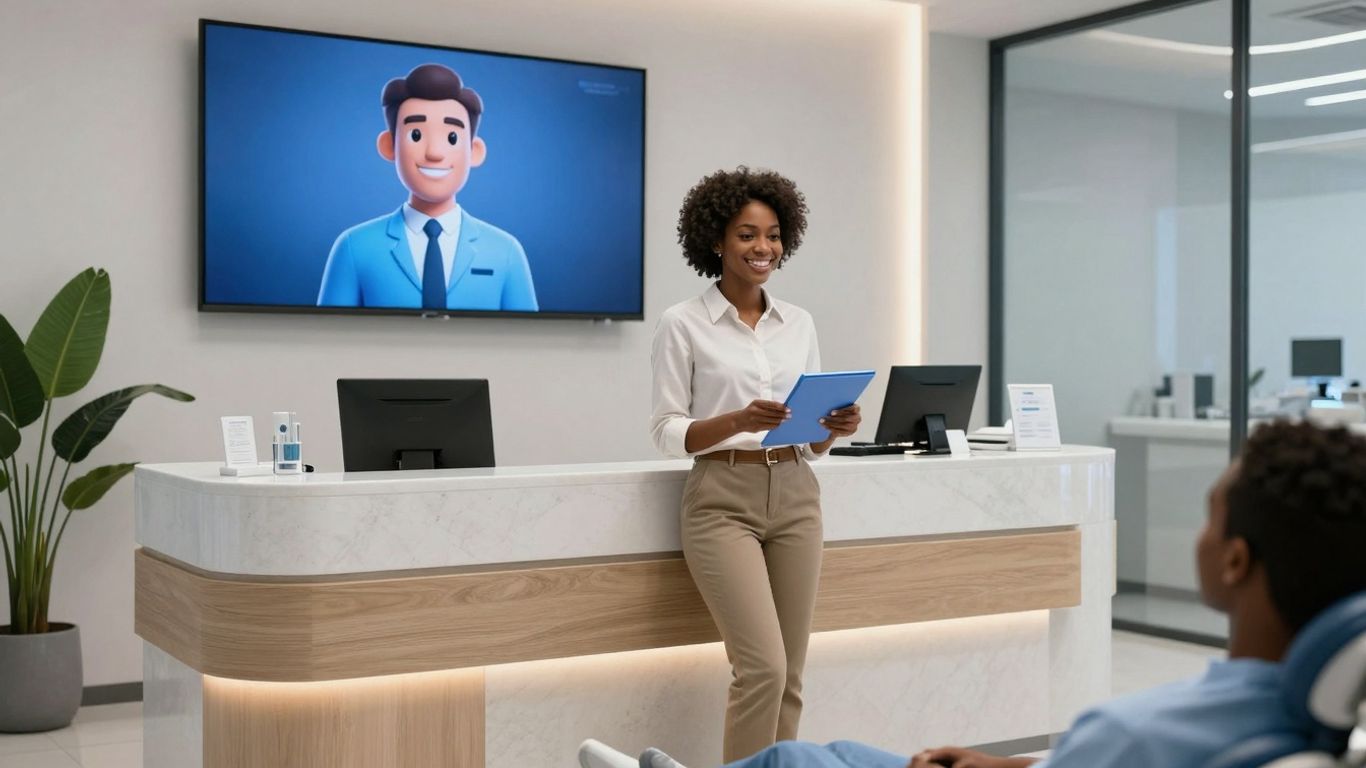
Patients today expect things fast. They don't want to wait on hold or get sent to voicemail. Dental clinics are feeling this pressure. AI is stepping in to fix it. It handles the basic stuff so your staff doesn't have to. This means fewer dropped calls and quicker answers for everyone.
Think about all the repetitive questions your front desk answers. Office hours, appointment availability, insurance basics. An AI receptionist can handle these. It's programmed with your practice's information and can respond instantly. This frees up your human staff for more involved patient needs. It’s like having an extra team member who never sleeps or takes a break.
Speed matters. When a patient calls, they want an answer or to book an appointment right away. AI doesn't get tired or overwhelmed. It can manage multiple calls at once, responding in milliseconds. This means patients get the information they need without delay. It makes your practice seem more efficient and responsive. Patients notice this. It makes them feel like you value their time.
AI isn't just about speed; it's also about making the interaction feel right. It can be programmed to use specific greetings or follow certain scripts. Some systems can even detect the caller's language and respond accordingly. This level of personalization makes patients feel more comfortable and understood. It shows you're thinking about their individual needs, not just processing them as another number.
An AI receptionist isn't a one-size-fits-all gadget. It's a tool you shape to fit your practice. Think of it less like a pre-built appliance and more like a set of building blocks. You decide how it works, when it works, and what it focuses on.
Your dental practice has its own rhythm. Patients call for specific reasons – booking check-ups, asking about insurance, or needing to reschedule. The AI should mirror this. You can set up custom workflows. For instance, if a patient calls about a broken tooth, the AI can immediately offer an emergency slot or direct them to a specific team member. It's about making the AI do the grunt work for the common stuff, so your staff doesn't have to.
The goal here is to make the AI feel like an extension of your front desk, not a barrier.
This is where things get really powerful. Your practice likely uses software for patient records, scheduling, and billing. The AI receptionist shouldn't be a separate island. It needs to talk to these systems. When the AI books an appointment, that information should instantly appear in your scheduling software. If a patient provides new contact details, it should update their record. This avoids double data entry and keeps everything in sync.
The real value comes when the AI isn't just taking messages, but actively managing data across your existing tools.
AI services often charge based on usage, usually by the minute. To avoid surprise bills, you need control. You can set limits on how many minutes the AI receptionist is active per day, week, or month. This is like setting a budget. If the AI hits its limit, it can be programmed to switch to voicemail or forward calls to a human. This ensures you're always in charge of spending and that the AI is used efficiently, especially during off-peak hours or when your team is fully staffed.
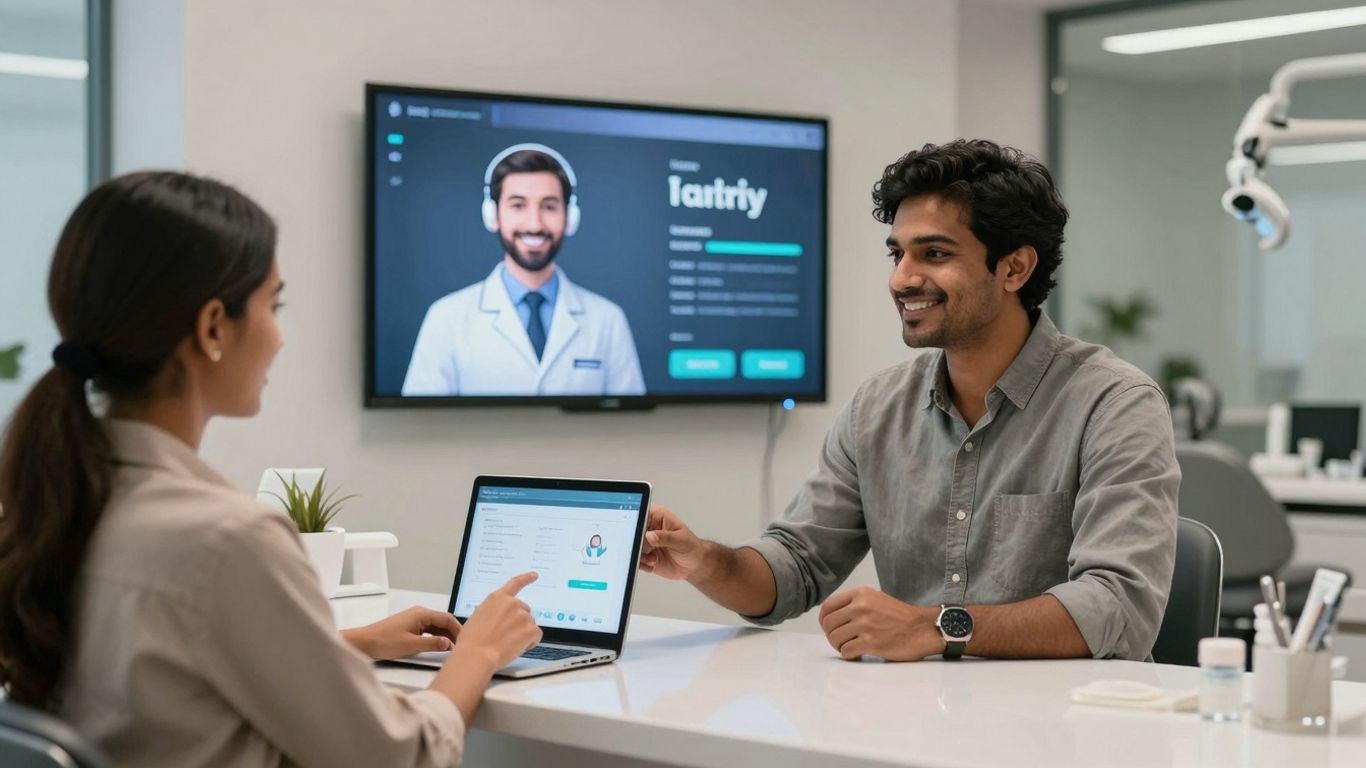
Your dental practice runs on software. Patient records, appointments, billing – it's all in there. An AI receptionist that just sits on the side, not talking to any of it, is like a fancy calculator that only does addition. It's not much use.
This AI receptionist is built to talk to the software you already use. Think Dentrix, Eaglesoft, Open Dental. You don't need to rip everything out and start over. The AI fits into your existing setup. It's about making things work together, not forcing you to change how you work.
Zapier is like a universal translator for apps. Our AI connects to over 9,000 other applications through it. This means when the AI books a new patient, that patient's info can automatically show up in your practice management system. No typing it in again. It keeps everything in sync without you lifting a finger.
This connectivity is what makes the AI more than just a call taker; it becomes part of your operational flow.
When information flows automatically between systems, you cut down on mistakes. Manual data entry is a prime source of errors. By having the AI update your records directly, you get cleaner data. This means fewer headaches down the line when you're trying to find patient history or run reports. It's about making your data reliable and accessible, without the busywork.
The goal here isn't just to automate calls, but to automate the entire information pipeline that starts with a call. This reduces friction and makes your practice run more like a well-oiled machine.
AI receptionists do more than just pick up the phone. They handle tasks that used to bog down staff, freeing them up for actual patient care. Think of it as upgrading from a flip phone to a smartphone – suddenly, you can do a lot more.
Voicemail used to be a black hole. Messages got lost, or took ages to get transcribed. Now, AI handles it. It takes messages, transcribes them to text, and organizes them. You get alerts, so you know when something important comes in. It’s like having a personal assistant for your voicemails, making sure nothing slips through the cracks. This means you can manage communication efficiently, even when you're busy with patients. It's a simple upgrade that makes a big difference in how you track messages.
Remember the days of busy signals? That’s mostly a thing of the past. An AI receptionist can handle as many calls as come in, all at the same time. No more lost patients because the lines were full. This isn't just about answering more calls; it's about providing consistent service, no matter how busy the practice gets. It scales automatically, so you don't have to worry about adding phone lines when things get hectic. This kind of scalability is a game-changer for practices that see a lot of patient traffic. It means every call gets attention, which is good for patient satisfaction and your practice's reputation. You can find more about this kind of system at My AI Front Desk.
This goes beyond just recording a voice message. The AI understands context. It knows when to offer voicemail and then converts that message into text. You can read it quickly, saving time compared to listening to a full recording. This makes managing communications much faster. It’s about making sure information is accessible and actionable, right when you need it. The system is designed to make interactions feel natural and productive, so patients feel heard and helped without delay.
Your staff are trained professionals, but they often get bogged down with simple, repetitive tasks. Things like confirming appointments, answering basic questions about office hours, or taking down insurance details can eat up a significant chunk of their day. An AI receptionist can take over these duties. This frees up your human team to focus on more complex patient needs and direct care. Imagine your hygienists or dental assistants not having to step away from a procedure to answer a quick question about billing. It makes their jobs easier and allows them to be more present with patients.
Think about the sheer volume of calls a busy dental practice handles daily. Many of these are routine inquiries that don't require a human touch. An AI receptionist can field these calls, providing instant answers to common questions about services, insurance, or appointment availability. This automation means your front desk staff spend less time on the phone and more time on tasks that require their specific skills, like managing patient records or coordinating complex treatment plans. It’s about reallocating human capital where it’s most effective.
When the AI handles the predictable, your team can focus on the unpredictable. This means less interruption during patient appointments and more dedicated time for consultations, addressing patient concerns, or handling administrative tasks that truly need a human's judgment and empathy. The AI acts as a filter, ensuring that only the most critical or nuanced interactions reach your staff, allowing them to perform at the top of their professional capabilities.
Dental practices often experience peaks in patient inquiries, especially around busy seasons or after marketing campaigns. An AI receptionist doesn't get tired or overwhelmed. It can handle an unlimited number of calls simultaneously, ensuring that no patient is left on hold or sent to a busy voicemail during these critical periods. This constant availability means patients get the information they need when they need it, improving satisfaction and reducing the chance of missed appointments or lost opportunities.
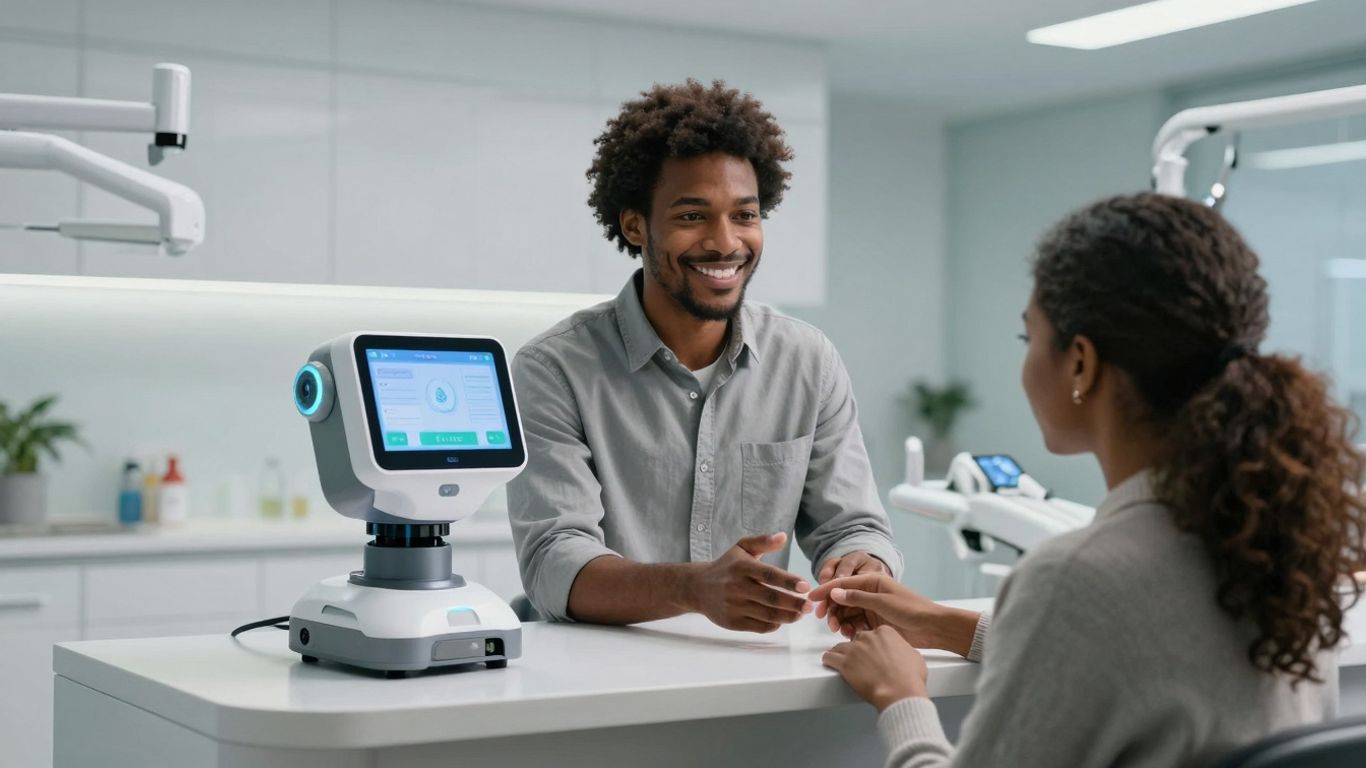
Even with all the advances, AI receptionists aren't magic. They're tools, and like any tool, they have limits. It's important to know these so you don't expect them to do things they can't.
AI is great at routine stuff. It can book appointments, answer common questions about hours, or tell people where to park. But when a patient has a really unusual dental problem, or they're upset about a bill and need to talk it through, the AI might fall short. It doesn't have the life experience or the nuanced understanding to handle those tricky situations. For anything that requires a bit of real-world judgment or a deep dive into a unique problem, you'll still need a human.
Dental work can be stressful for people. Sometimes, a patient just needs a friendly voice, someone to calm their nerves, or a bit of reassurance. An AI can't genuinely empathize. It can be programmed to sound caring, but it doesn't feel it. In situations where emotional support is key, like discussing a difficult procedure or dealing with a patient in pain, the human touch is irreplaceable. Relying solely on AI here could make patients feel unheard or uncared for.
An AI receptionist is only as good as the systems it's connected to. If your practice management software isn't set up right, or if there's a glitch in the connection, the AI might not be able to access the information it needs. It also needs regular updates. Technology changes, and so do patient needs. If the AI isn't kept current, it can become outdated and less effective. Think of it like a smartphone – it's great, but it needs software updates to keep working well and stay secure.
While AI receptionists are super helpful, they aren't perfect. They might sometimes miss the mark on really complex questions or when someone needs a very personal touch. It's good to know their limits! Want to see how our AI receptionist can still boost your business? Visit our website to learn more.
Look, getting an AI receptionist isn't some futuristic pipe dream anymore. It's here, and it's practical. For dental practices, this means less time spent on phone tag and more time actually working on patients. It handles the calls, books the slots, and generally keeps things running without you needing to hire a whole new crew. It's not about replacing people, it's about making the people you have more effective. If you're still stuck in the old ways, you're probably losing patients and money without even realizing it. This is a simple way to fix that.
Think of an AI receptionist as a super-smart computer program that can do many of the jobs a human receptionist does, like answering phones, setting up appointments, and answering common questions. It's designed to help dental offices run more smoothly by handling these tasks automatically, so the human staff can focus on taking care of patients.
This AI is really quick! It can answer calls and questions in just a few milliseconds, which is faster than most people can even blink. This means patients don't have to wait on hold or for a long time to get the information they need or to book an appointment. It makes the whole process feel natural and easy, like talking to a very efficient person.
Yes, it can! Many AI receptionists can be set up to speak in more than one language. This is great for dental offices that have patients who speak different languages. It helps make sure everyone feels welcome and can get the help they need without any language barriers.
It's designed to work with your existing systems. Using tools like Zapier, the AI can connect to over 9,000 other apps. This means when it books an appointment, that information can automatically go into your patient records or calendar. It helps all your computer programs talk to each other so you don't have to enter information twice.
Unlike a human receptionist who can only handle one or two calls at a time, an AI receptionist can handle an unlimited number of calls all at the same time! It's like having a phone system that never gets overwhelmed, no matter how busy your dental practice gets.
While AI is powerful, it can't replace human feelings. It might struggle with really complicated or sensitive questions that need a lot of understanding and empathy, like comforting a very anxious patient. It also relies on being connected to your other software and needs updates to keep working its best. Sometimes, a human touch is still the best approach.
Start your free trial for My AI Front Desk today, it takes minutes to setup!


