
Picking the right phone system for your business can feel like a puzzle, especially with all the options out there. You want something that makes talking to customers easy, keeps things running smoothly, and doesn't break the bank. That's where a virtual assistant phone system comes into play. It's like having a super-helpful assistant ready to handle calls, manage messages, and even connect with your other business tools, all without you lifting a finger. Let's look at how these systems can really change how you do business.

Running a business means juggling a lot. Calls come in, messages pile up, and sometimes it feels like you're just reacting to whatever pops up next. Traditional phone systems often add to the chaos instead of solving it. They can be rigid, expensive, and just don't fit how we work today. A virtual assistant phone system changes that.
Voicemails. They're a necessary evil, right? You know there's probably something important in there, but listening through long messages takes time you don't have. An AI receptionist turns this chore into something manageable. It doesn't just take a message; it transcribes it into text. This means you can quickly scan your messages, grab the key info, and decide what needs attention without listening to the whole thing. It's like getting a summary of every call, saving you from digging through audio files. This makes sure you don't miss important details, even when you're busy.
Missed calls often mean missed opportunities. A lead calls, you can't answer, and they move on. A virtual assistant phone system can help prevent this. It can be set up to recognize when a caller might be a potential lead and trigger follow-up actions automatically. For example, if someone asks about pricing, the system could send them a link to your rate sheet via text message right then and there. This keeps potential customers engaged and shows them you're responsive, even if you're not available to pick up the phone yourself. It's about turning a simple inquiry into a concrete next step, which is key for converting more leads.
Your business likely uses a bunch of different tools already – a CRM, a calendar, project management software. A virtual assistant phone system shouldn't be another isolated piece of tech. The best ones integrate with the tools you already use. Imagine a call ending and, automatically, the caller's information is updated in your CRM, or a follow-up task is created in your project manager. This isn't just about convenience; it's about creating a connected workflow. When your phone system talks to your other software, you eliminate manual data entry, reduce errors, and make sure information flows smoothly across your entire operation. It makes your whole business run more like a single, well-oiled machine.
Think about the last time you called a business and felt like you were talking to a robot that took forever to process your request. It’s frustrating, right? Milliseconds matter in natural conversation. When a virtual assistant can respond almost instantly, it feels less like talking to a machine and more like a real interaction. This speed is what separates a clunky automated system from a genuinely helpful one.
We're talking about response times measured in milliseconds. This speed is key to making conversations feel natural and efficient. It means the AI can keep up with what you're saying without those awkward pauses that make you wonder if it's still listening. This isn't just about convenience; it's about making sure you don't miss critical information. When a message is transcribed, you can quickly assess its urgency and act accordingly, which is a big deal for customer service. It’s like having a conversation where the other person actually listens and responds without delay. This responsiveness is crucial for keeping customers engaged.
When an AI assistant responds quickly, it feels like a natural back-and-forth. There are no long silences where you’re left wondering if the system is still there. This quick thinking allows the AI to handle complex questions without missing a beat. It’s like talking to the smartest person you know, but one who never needs to pause to think. This speed transforms what could be a frustrating interaction into a smooth, natural conversation. It's the difference between feeling like you're talking to a machine and feeling like you're talking to a hyper-competent human.
We're obsessed with speed. We have a full AI research team dedicated to pushing the boundaries of what's possible. They've made our system faster than anything else on the market. We're constantly tweaking, optimizing, shaving off tiny fractions of time. Because in conversation, every bit of responsiveness counts. This might seem like overkill, but it's not. It's the future of communication. This constant drive for improvement means the technology is always getting better, offering more sophisticated ways to manage your calls and interactions.

Remember the old days? You'd call a business, and that awful "all circuits are busy" message would greet you. It was frustrating for everyone. Thankfully, that's mostly a thing of the past. Modern virtual assistant phone systems don't have that problem. They're built to handle a massive number of calls all at the same time. We're talking about unlimited parallel calls. This means even if your business suddenly gets swamped – maybe a product launch goes viral or a big sale kicks off – your phone system won't buckle. Every single caller gets through. They get directed properly, and they don't have to wait on hold just because someone else is already on the line. It keeps things running smoothly, no matter how busy things get.
This ability to handle many calls at once without performance dropping is a key sign of a robust system. It directly translates to happier customers and prevents lost business opportunities that happen when callers can't get through. Your system just keeps going, like a well-oiled machine, regardless of demand.
Think about your business a year from now, or even five years down the line. Will your phone system be able to keep up? That's where scalability comes in. You don't want to get stuck with a system that's too small, forcing you to go through the whole hassle of switching again. Look for systems that let you easily add more lines, more features, or more users as your team expands. It’s like buying shoes – you want them to fit now, but also have a little room to grow.
This isn't just about avoiding busy signals. It's about giving your business a superpower. Imagine your product goes viral and thousands of calls pour in. Your AI doesn't break a sweat. It handles it all, keeping your brand consistent and your customers happy. It's the kind of thing that makes you wonder how you ever managed without it. So go ahead, give your phone number to everyone. Put it on billboards. Sky-write it. Your AI receptionist can take it. In fact, it's kind of hoping you will. It's starting to get bored.
Businesses aren't static. They have rhythms. Mornings are for getting things done, evenings for winding down, and weekends for… well, not always for answering the phone. Your virtual assistant phone system needs to get this. It needs to understand that a call at 9 AM on a Tuesday is different from a call at 9 PM on a Saturday.
This isn't about just setting a simple "on" or "off" switch. It's about making the system smart. Think about it: if a customer calls on a holiday, they probably don't expect the same level of immediate service as they would on a regular business day. The system should recognize this. It should know when to offer a more relaxed greeting, perhaps directing callers to leave a message that will be addressed first thing when normal operations resume.
Your business might operate in one city, but your customers could be anywhere. A system that doesn't account for time zones is like a receptionist who only speaks one language – it limits who you can effectively serve. Imagine a customer in California calling your New York-based company after business hours. If the system just treats it like any other call, it might route them to a department that's already closed, leading to frustration. A smart system adjusts. It knows it's evening in New York, even if it's still afternoon in California, and routes the call appropriately or offers the right after-hours options.
Ultimately, this is about respect. Respecting your customers' time by not making them wait unnecessarily, and respecting your own team's time by not overwhelming them with calls outside of operational hours. When your virtual assistant phone system understands context – the time of day, the day of the week, even specific holidays – it transforms from a simple answering machine into a sophisticated communication tool. It makes every interaction feel more appropriate and less like a generic, automated experience. This attention to detail makes a real difference in how customers perceive your business.
Think about your business software. Your CRM, your project tracker, your email – they all do their own thing. What if they could actually talk to each other? That's where Zapier comes in. It's like a universal translator for your business tools.
Zapier lets you create automated workflows, called "Zaps." These Zaps connect different apps. For example, when your virtual assistant takes a message, Zapier can automatically create a new lead in your CRM. Or, it can add a task to your project board. This means less manual data entry. More time spent on actual work. It connects thousands of apps, so whatever tools you're using, Zapier can likely link them up with your phone system.
The real power here is the two-way data flow. Your phone system can send information out to other apps, and those apps can send information back. This keeps everything in sync. No more checking multiple places for updates. It makes your whole operation feel more connected.
Here's a quick look at what's possible:
Imagine a call ending, and automatically, a new contact is created in your database with notes from the conversation. That’s the kind of efficiency we're talking about. It's simple, but it's powerful. It transforms how you work, making your business run smoother.
This integration isn't just about connecting apps; it's about making them work together like a well-oiled machine. It turns your phone system into the central nervous system of your business, kicking off actions in other programs based on calls or messages.
Keeping an eye on expenses is a big deal for any business, and your phone system is no different. Luckily, modern virtual assistant phone systems come with some pretty neat tricks to help you manage costs and keep track of usage. It’s not just about having a phone system; it’s about having one that works for your budget.
Ever worry about your virtual assistant racking up too many minutes and blowing your budget? Many systems let you set a cap on how many minutes the AI can be active within a given period. This is super handy for controlling costs, especially if you're just testing the feature or have periods of lower call volume. You can usually set daily, weekly, or monthly limits. Plus, you can often set up alerts to let you know when you're getting close to your limit, and decide what happens next – maybe it goes to voicemail, or maybe it forwards to a human. It’s all about having that predictable spending.
One of the best things about cloud-based phone systems is that they often come with predictable pricing. Instead of surprise bills, you usually pay a set amount per user, per month. This makes budgeting a whole lot easier. You know what you're going to spend, so there are fewer nasty surprises. Some providers even offer different tiers, so you can pick the plan that best fits your needs and your wallet. It’s a straightforward way to keep your communication costs in check. Features like detailed call analytics can show you when your call volume is highest. Knowing this helps you figure out when you need more staff on hand or when your AI receptionist is working overtime. You can adjust your plan or your settings based on this data. For example, if you see a huge spike in calls every Monday morning, you can make sure your system is ready for it, maybe by adjusting AI minutes or ensuring you have enough human agents available. This smart allocation means you're not paying for resources you don't need, and you're not missing calls when you do.
Think of your phone system like any other resource in your business. You want to make sure you're using it efficiently. Smart features aren't just about saving money; they're about making sure your money is spent in the most effective way possible. It's about getting the most bang for your buck while still providing great service to your callers. For instance, if your business has busy seasons, you can temporarily increase your AI receptionist minutes or call forwarding capacity. When the rush dies down, you can scale back just as easily. This flexibility means you're not overpaying during slow periods or getting caught short when demand spikes. It’s about adapting your communication resources to match your actual business needs, keeping costs down and service quality up.
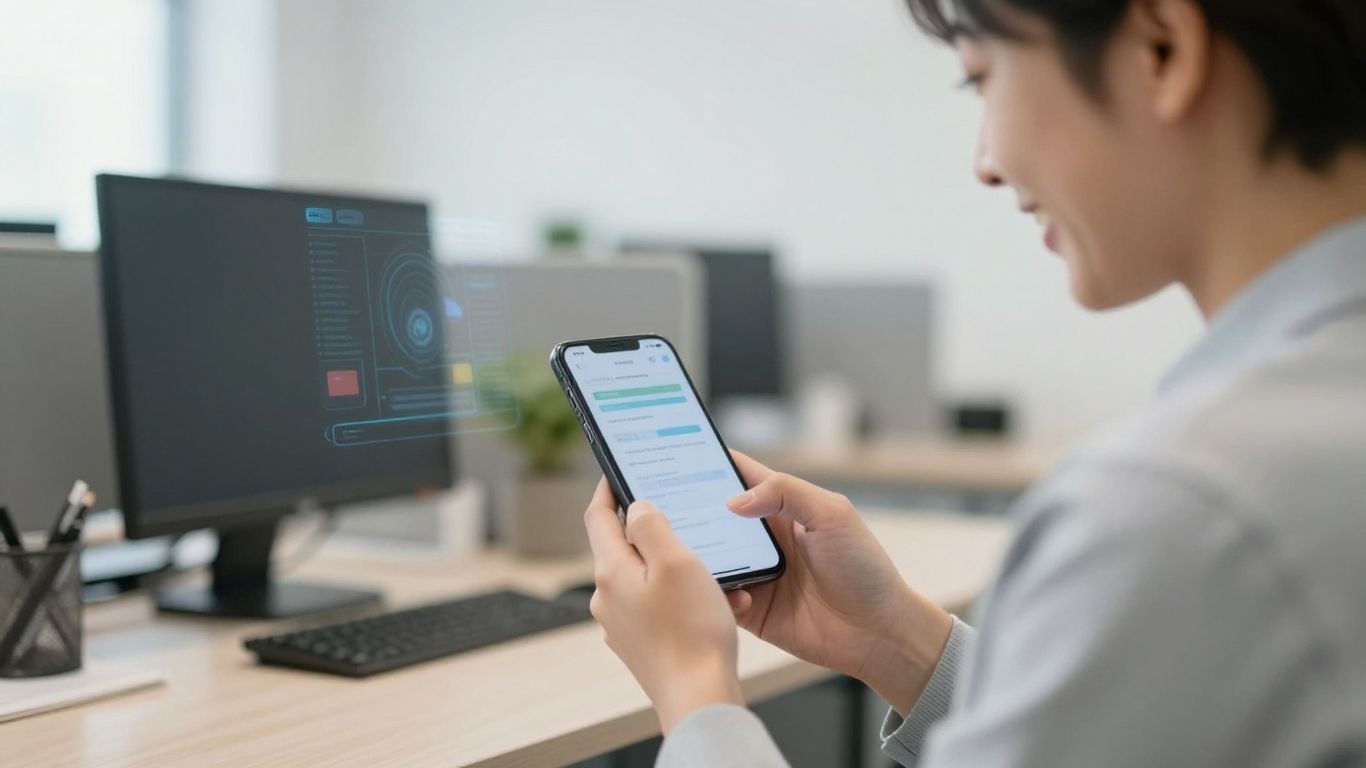
Your business doesn't clock out at 5 PM, and neither should your ability to connect with customers. An AI receptionist works around the clock, meaning no potential lead gets missed because it's after hours. Think about it: a customer calls at 10 PM with a question. Instead of hitting a dead line, they get an immediate, helpful response. This isn't just about answering the phone; it's about being available when your customers need you, which is often outside the typical 9-to-5. It’s a simple concept, but it makes a huge difference in how many opportunities you actually capture.
First impressions matter. A lot. When a customer calls, the voice they hear and the way their query is handled shapes their entire perception of your brand. An advanced virtual assistant doesn't just answer; it interacts professionally. It can handle common questions, route calls intelligently, and even take messages with clarity. This consistent, polished interaction builds trust and makes your business seem larger and more established, regardless of its actual size. It’s about making every call feel like it’s with a well-staffed, professional operation.
Getting a customer to the right person quickly is half the battle. Intelligent call routing uses logic – sometimes based on what the caller says, sometimes based on the time of day or who's available – to direct calls. Instead of a generic menu that forces callers to guess, the system can understand intent. If someone asks for "billing," they go straight to billing. If a sales lead calls, they get routed to sales. This cuts down on transfers, reduces customer frustration, and gets issues resolved faster. It’s about making sure the right ears are hearing the right calls, right away.
Want to make your customer service even better? Our smart tools can help! Imagine never missing a customer question or a potential sale. We offer advanced features that work like magic to keep your customers happy and your business growing. Ready to see how easy it can be? Visit our website today to learn more and get started!
Look, picking a phone system isn't rocket science, but it's not trivial either. You've got options, from basic call routing to AI that practically reads minds. The trick is finding what fits your actual work, not just the fanciest tech. Most businesses get bogged down by complexity. The ones that do well? They keep it simple, connect the dots, and focus on what matters. Don't overthink it. Get a system that handles calls, maybe transcribes messages, and doesn't break the bank. The rest is just noise.
Think of a virtual assistant phone system like a super-smart receptionist for your business, but it's run by technology. It can answer calls, take messages, send them to you as text, and even help with other tasks, all without a real person sitting there all day. It's like having a helpful assistant available 24/7, but it's a computer program that's really good at its job.
When someone calls and you can't answer, the system can offer to take a voicemail. Instead of just recording audio, it can turn that message into text so you can read it quickly. It's like getting a text message instead of a voice message, making it way easier to check and respond to what people are saying.
This means the system can handle as many calls as come in, all at the same time. Imagine your business is super popular and lots of people call at once. Most phone systems would get overwhelmed, but this one can take every single call without getting busy. It's like having an endless supply of phone lines.
Zapier is like a connector for different apps and tools your business uses. When your virtual assistant phone system is linked with Zapier, it can automatically do things in other apps. For example, if someone leaves a message, Zapier could automatically create a to-do list item for you or add the caller's info to your customer list. It saves a lot of manual work.
You can set limits on how much the virtual assistant is used, like setting a maximum number of minutes it can be active. This helps you keep an eye on your spending. Plus, you get alerts when you're getting close to your limits, so there are no surprise bills. It's a smart way to manage your budget.
Yes, it's really smart about time! You can tell it when to work and when to rest, and it will understand holidays and different time zones. This means it always responds appropriately, whether it's a regular business day or a special holiday, and it knows what time it is for your customers, no matter where they are.
Start your free trial for My AI Front Desk today, it takes minutes to setup!


