
It feels like AI and voice tech are popping up everywhere these days, and healthcare is no exception. We're seeing some pretty cool ways these technologies are starting to change how things work, from making appointments easier to keeping patient info safe. It's not just about fancy gadgets; it's about making care smoother and more secure for everyone involved. Let's take a look at how AI in healthcare and voice biometrics are making a difference.
Look, running a hospital or clinic is a messy business. Lots of moving parts, lots of people, lots of data. It's easy for things to get bogged down. That's where AI comes in. It's not about replacing people, it's about making the whole system work better, faster, and with fewer headaches.
Think about the front desk. It's usually the first point of contact, right? And often, it's swamped. AI can handle a lot of that. We're talking about AI receptionists that can answer phones 24/7, schedule appointments, and even answer basic questions. This isn't some clunky robot voice; these systems are getting pretty good at sounding natural. They can manage calls, take messages, and transcribe voicemails so you don't have to sift through audio. The goal here is to free up human staff for more complex issues and give patients quicker answers. It’s about making that first impression smooth, not frustrating.
Data is king in healthcare, but it's often scattered everywhere. Electronic health records, lab results, patient notes – it's a mess. AI can act as the glue. By connecting different systems, AI helps ensure that information flows where it needs to go, automatically. This means less manual data entry, fewer errors, and a more complete picture of the patient's health. Imagine a system where a new lab result automatically updates the patient's chart and flags it for the doctor. That's the kind of efficiency we're talking about. It makes sure everyone is working with the same, up-to-date information.
Time is money, especially in healthcare where every minute counts. AI can help manage schedules and workflows more effectively. This could be anything from optimizing staff rotas to ensuring that critical alerts aren't missed. For instance, AI can monitor patient vitals and automatically alert nurses to significant changes, cutting down response times. It can also automate routine administrative tasks, like sending appointment reminders or processing billing information.
The real win here is reducing the burden on healthcare professionals. When AI handles the repetitive, time-consuming tasks, doctors and nurses can focus more on direct patient care, which is what they trained for. It's about making their jobs more manageable and, frankly, more rewarding.
Here's a quick look at how AI tools are making a difference:
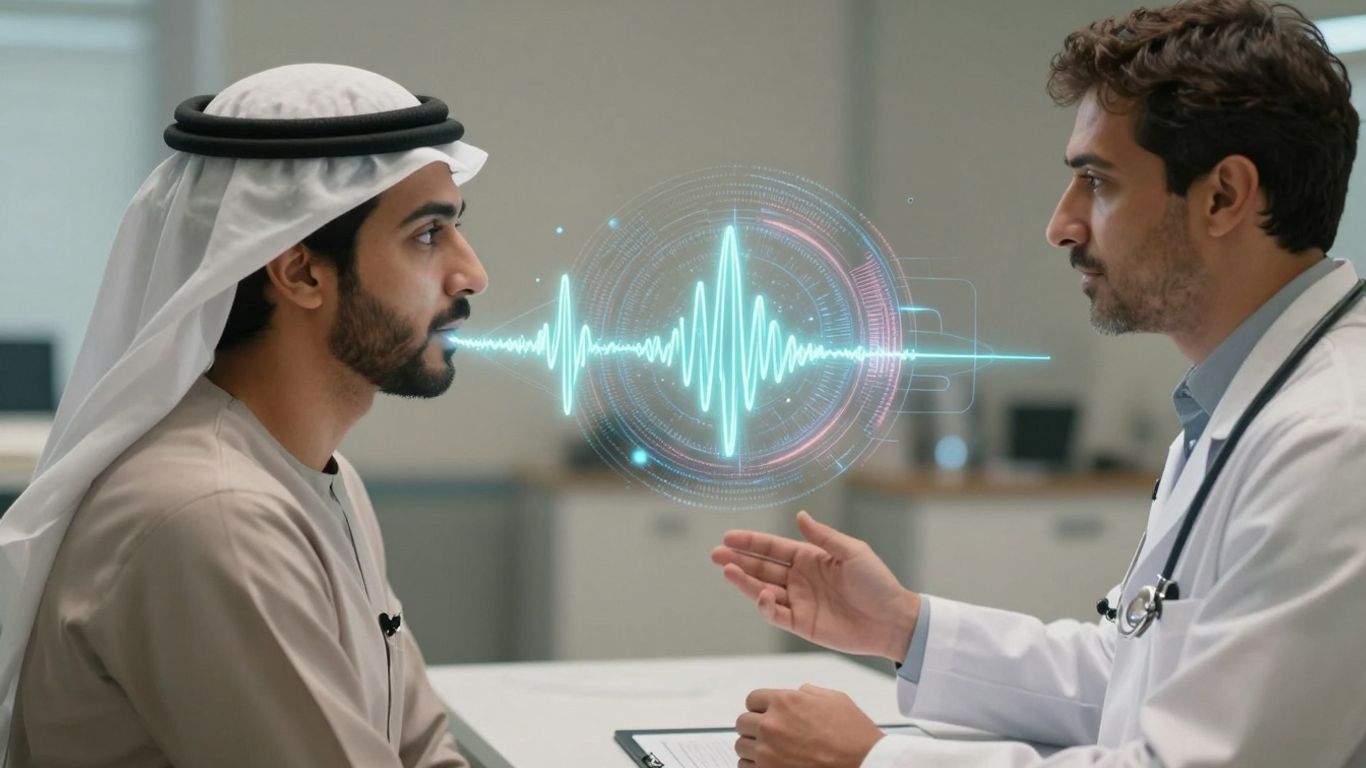
Healthcare is a field where security and efficiency can't be an afterthought. Passwords get forgotten, security questions are guessable, and in sterile environments, touching screens is a no-go. This is where voice biometrics steps in. It's a way to verify who someone is just by listening to their voice. Think of it as a unique fingerprint, but for sound.
For doctors and nurses, this means quicker access to patient records or systems. No more fumbling with keycards or typing in long passwords when you're in a rush. It's hands-free and fast. For patients, it's just as good. They can confirm their identity for telehealth appointments or to refill prescriptions over the phone without having to remember a bunch of login details. This makes interacting with healthcare services much simpler.
When it's easy for patients to connect and get verified, they're more likely to use digital health tools. Voice biometrics removes a common barrier. It means more people can access care, especially those who might struggle with remembering complex passwords or using traditional authentication methods. It opens up telehealth and remote services to a wider audience.
Your voice is unique. Voice biometrics captures these unique characteristics to create a secure 'voiceprint'. This isn't just about convenience; it's about serious security. It helps protect sensitive patient data from unauthorized access. In an industry where data breaches cost millions, having a strong, yet easy-to-use, security layer is a big deal. This technology offers a robust defense against common security vulnerabilities.
We're seeing new kinds of trouble pop up. Think about those AI-generated voices, the "deepfakes." They're getting really good. Bad actors can use them to sound like anyone – a doctor, a patient, even a family member. This isn't just a minor annoyance; it's a serious security risk for healthcare. Imagine someone using a fake voice to get access to sensitive patient records or to trick a hospital into releasing medication. It's a real problem that we need to pay attention to.
When voice spoofing happens in a hospital or clinic, the fallout can be pretty bad. It's not just about losing data, though that's a big one. The cost of a healthcare data breach is already sky-high, averaging over $10 million. But it goes deeper. Patient trust, which is already fragile, can shatter. If patients can't be sure they're talking to a real doctor or that their information is safe, they'll hesitate to seek care. This can lead to delayed treatments and worse health outcomes. Plus, there are legal and regulatory headaches, like HIPAA violations, that nobody wants.
So, how do we fight back? We need more than just passwords. Voice biometrics, when done right, offers a strong defense. It's about using a person's unique voice as a key. But it's not enough to just record a voice. We need systems that can tell if the voice is real or if it's a fake. This means using smart technology that looks for tiny clues in the voice – things like the rhythm, the pitch, or even background noise that a deepfake might miss. It's a constant arms race, but by staying ahead with better detection methods, we can keep unauthorized people out.
Look, the world of healthcare security is getting complicated. We've got these fancy new AI tools, which are great, but they also open doors for bad actors. Think about deepfake voices – someone could fake a doctor's voice to get patient data. It's not science fiction anymore. So, how do we actually make voice biometrics work without creating new problems?
First off, we need systems that don't just recognize a voice, but also know if it's real. This means looking beyond just the sound. AI can analyze tiny things, like how someone breathes or the subtle background noise, to spot fakes. It's like having a super-sensitive lie detector for voices.
Here's a breakdown of what that looks like:
The real trick is making this all work without slowing things down. Doctors and nurses are busy. Patients want quick access. So, the security has to be there, but it can't feel like a hassle. That's where smart design and AI come in – making the secure option the easy option.
We also need to think about how these systems talk to each other. A voice authentication system shouldn't be a silo. It needs to connect with electronic health records and other hospital systems. This way, when someone is authenticated, the right doors open automatically, and the wrong ones stay shut. It's about making the whole process flow smoothly, from the moment a voice is recognized to the moment access is granted or denied.
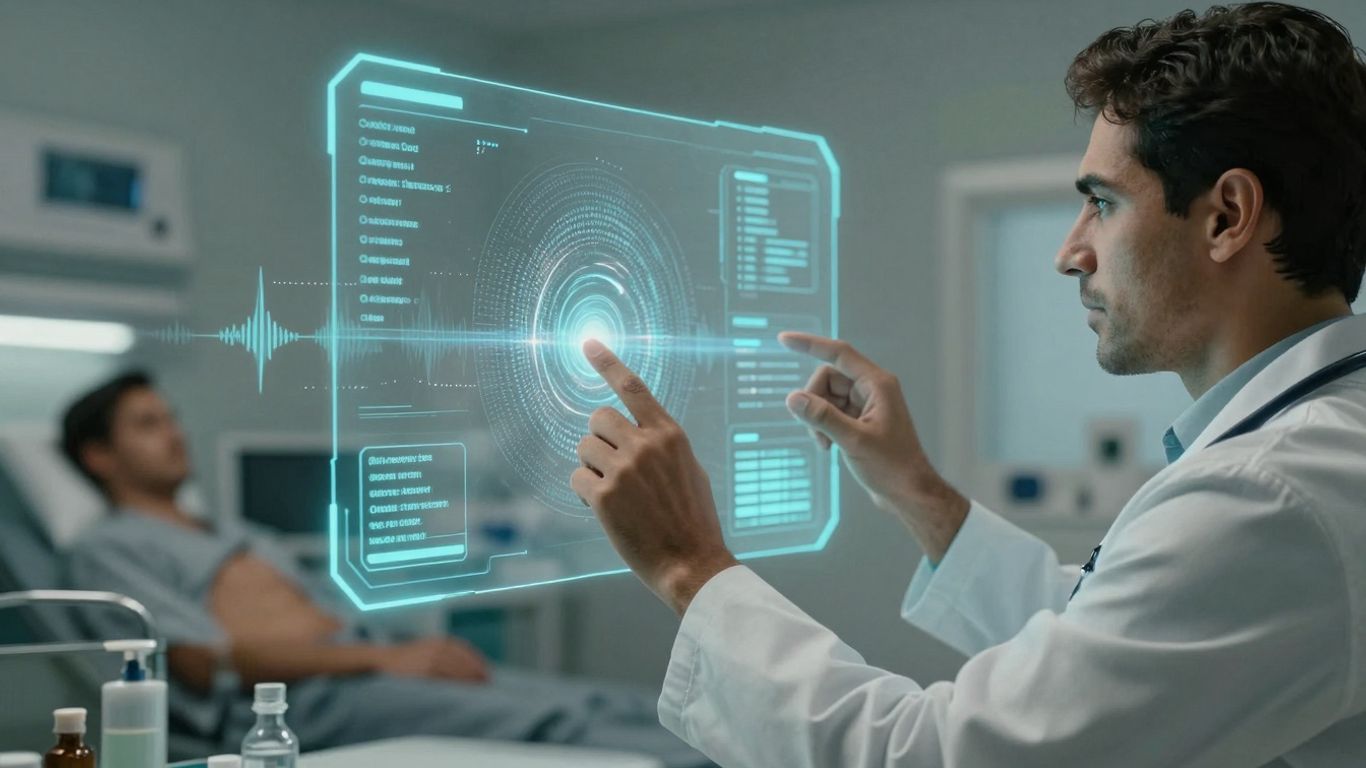
AI is starting to show up in places that directly affect patient care, not just behind the scenes. It's not about replacing doctors or nurses, but giving them better tools. Think of it as a really smart assistant that can spot things humans might miss or handle tasks that take up too much time.
This is pretty wild. AI can listen to how someone speaks – the pitch, the speed, even pauses – and pick up on subtle changes that might signal a health problem. It's not just about hearing a cough; it's about analyzing the way someone talks. Conditions like Parkinson's, depression, or even early signs of Alzheimer's can sometimes affect speech patterns before other symptoms are obvious. AI models are being trained on vast amounts of voice data to identify these markers. It's still early days, but the idea is that a simple voice recording could become a quick, non-invasive screening tool.
Anyone who works in healthcare knows how much time is spent typing notes. It's a huge drain. AI, particularly natural language processing (NLP), can help here. Imagine a doctor talking to a patient, and the AI automatically transcribes the conversation and even starts filling out the electronic health record (EHR). It can pull out key information like symptoms, medications, and treatment plans. This frees up clinicians to focus more on the patient and less on the keyboard. It's about making the administrative side of care much, much lighter.
AI can keep an eye on patients in ways that were impossible before. For those recovering at home, AI-powered systems can monitor vital signs from wearable devices or even analyze activity patterns. If something looks off – a sudden drop in heart rate, unusual inactivity – the system can alert a caregiver or healthcare provider. This allows for proactive intervention rather than waiting for a patient to report a problem. It means patients can get the help they need faster, potentially preventing serious complications.

When we talk about AI listening in on doctor's visits, it's not just about the tech. It's about how people feel about it. Patients have some real worries, and they're not just being difficult. They're thinking about what happens to their words, especially when they're talking about sensitive stuff.
People are worried about who hears what they say and what gets stored. It’s not just about keeping things private, but also about whether the AI actually gets it right. Imagine saying something that sounds a bit off because you're stressed or not feeling well. You don't want that misinterpretation to end up in your medical file and affect your care down the line. It feels like a big risk.
The core issue is trust. Patients need to believe that their voice data will be handled with the same care and respect as any other piece of their medical information. Without that trust, the technology, no matter how advanced, won't be fully accepted.
It's one thing for an AI to schedule an appointment, like the ones offered by services that can automate tasks and integrate with existing systems [c262]. It's another thing entirely for it to analyze your voice for signs of disease. The human voice is complex. It carries emotion, nuance, and context that can be hard for even humans to interpret perfectly. Asking an AI to do it for medical purposes raises questions. Can it really tell the difference between someone who's just having a bad day and someone who's showing early signs of a serious condition? Many patients aren't convinced. They worry about the AI making snap judgments based on vocal patterns that don't tell the whole story.
Nobody wants to miss out on medical advancements. If voice analysis can genuinely help doctors catch diseases earlier or make care more efficient, that's a good thing. But it has to be done right. Healthcare providers and AI developers need to be upfront about how the technology works, what data is collected, and how it's used. Patients need to feel like they have a say in the process and that their privacy is protected. It’s a tough balance, but it’s the only way forward if we want this technology to actually help people without making them feel uneasy about their own healthcare.
People are sharing their thoughts on how AI can understand voices. It's fascinating to hear directly from patients about their experiences. Want to know more about how this technology works and what it means for healthcare? Visit our website to discover the latest insights and join the conversation.
So, we've talked about how AI and voice tech are changing things in healthcare. It's not just about making things faster, though that's part of it. It's about making care more accessible, more secure, and frankly, less of a hassle for everyone involved. Think about it: doctors spending less time typing and more time with patients, or patients getting help without jumping through hoops. Of course, there are hurdles. People worry about privacy, and rightly so. We need to be smart about how we build and use these tools, making sure they actually help and don't create new problems. But the potential is huge. This isn't science fiction anymore; it's happening now, and it's going to keep evolving. The key is to keep the patient at the center of it all, using these powerful new tools to make healthcare work better for real people.
AI can help by handling simple tasks like answering common patient questions, scheduling appointments, and organizing patient information. This frees up doctors and nurses to focus more on taking care of patients and less on paperwork or administrative work.
Voice biometrics is like a fingerprint for your voice. It can recognize who you are just by the sound of your voice. In hospitals, it can be used to quickly and securely let doctors and nurses access patient records or to help patients confirm their identity for things like getting prescriptions without needing to remember passwords.
Scientists are finding that tiny changes in how someone speaks, like their tone or speed, can sometimes show signs of certain health problems, such as issues with the brain or mood. AI can be trained to listen for these subtle changes, which might help doctors spot problems earlier.
Using your voice can be very secure, but like anything digital, there are risks. New technology can create fake voices that might trick systems. Experts are working on making voice recognition systems smarter to spot these fake voices and protect your private health details.
Patients worry about their private information being misused or not kept safe. They also wonder if AI might misunderstand what they say, especially if they're not speaking clearly, and if that misunderstanding could affect the care they receive. They want to be sure AI is used only when truly necessary and with their permission.
When used correctly, AI and voice tech can make healthcare faster and easier. It helps hospitals run smoother, gives doctors more time with patients, and can even help find health issues sooner. It's all about using technology to improve how we give and receive care, while always keeping patient safety and privacy a top priority.
Start your free trial for My AI Front Desk today, it takes minutes to setup!


