
Running a dental office means a lot of moving parts. You've got patients to see, appointments to manage, and a mountain of paperwork. It's easy for things to get hectic, especially at the front desk. What if there was a way to make all that smoother? A virtual AI receptionist dental office solution might be just the ticket. Think of it as an extra pair of hands, available all the time, that can handle a lot of the day-to-day chatter so your team can focus on what really matters: patient care.
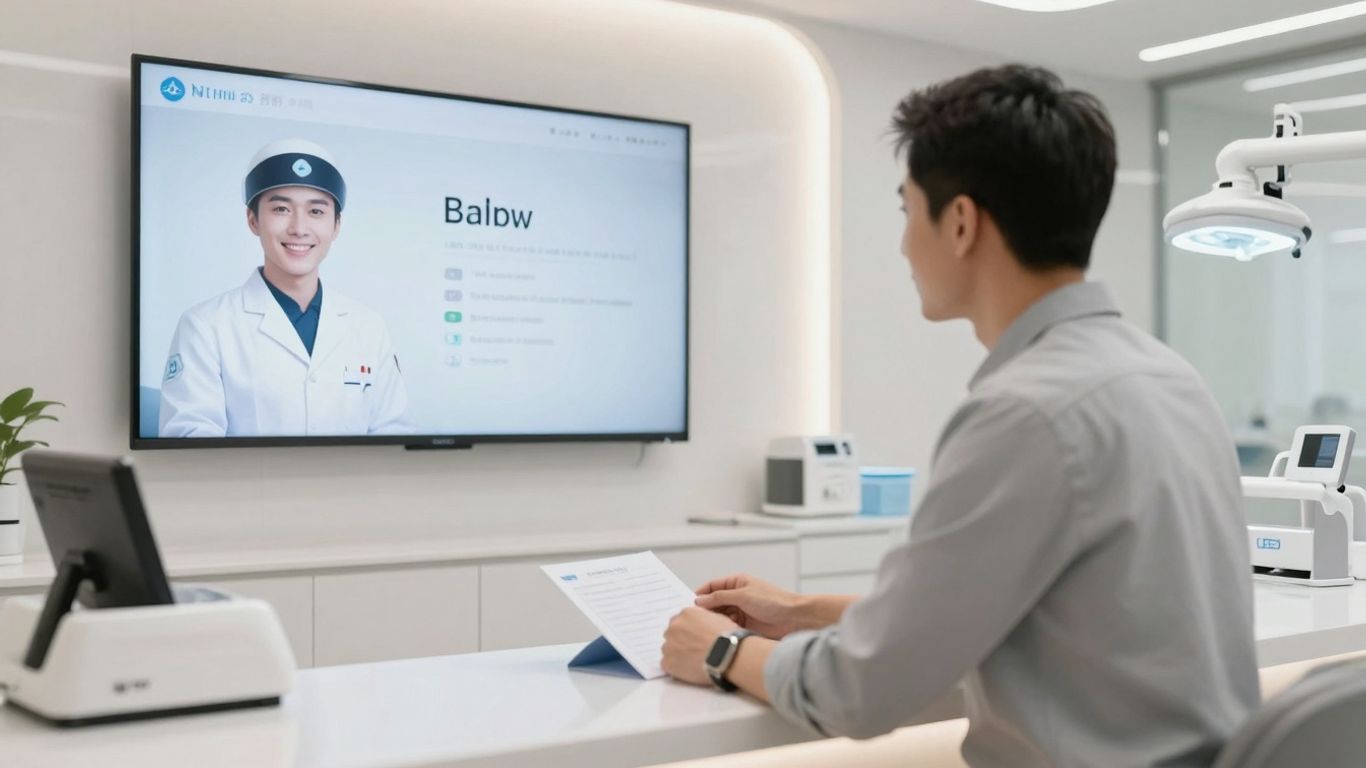
Running a dental practice means juggling a lot. You've got patients to see, treatments to perform, and a whole office to manage. The front desk is often the bottleneck, getting swamped with calls, appointment requests, and basic questions. This is where a virtual AI receptionist really shines. It's not just about answering phones; it's about fundamentally changing how your practice operates.
Think about all the time your staff spends on routine calls. Confirming appointments, sending reminders, answering FAQs – it adds up. An AI receptionist handles this automatically. It can send out appointment reminders, confirm bookings, and even answer common questions about office hours or services. This frees up your human staff to focus on patients who are actually in the office, or on more complex patient needs that require a human touch. This automation means fewer missed appointments and a more informed patient base, all without lifting a finger on your end.
Administrative tasks are the silent time-suck of any practice. Data entry, managing schedules, following up on inquiries – it’s endless. An AI receptionist takes a huge chunk of this off your plate. It can log patient details, update appointment statuses, and even initiate follow-up communications. This isn't just about making things easier; it's about reducing the potential for human error in these repetitive tasks. Less manual work means fewer mistakes and a smoother workflow for everyone.
When the front desk is overwhelmed, operations suffer. Calls go unanswered, appointments get double-booked, and patients get frustrated. An AI receptionist acts as a constant, tireless presence. It can handle multiple calls simultaneously, ensuring no patient is left waiting during busy periods. By managing scheduling and communication more effectively, it minimizes conflicts and ensures your calendar stays full and organized. This consistent, efficient handling of incoming requests means your practice runs like a well-oiled machine, even when things get hectic.
The core idea is simple: let the AI handle the predictable, repetitive tasks so your human team can focus on the unpredictable, high-value interactions. This isn't about replacing people; it's about augmenting them.
Dental emergencies don't clock out at 5 PM. Neither do potential new patients looking for a dentist. Your practice needs to be available when they need you, not just when your human staff can be. An AI receptionist means your phone is always answered, your schedule is always open for booking, and no urgent inquiry goes unheard. This isn't about replacing your team; it's about making sure every single opportunity, big or small, gets captured.
Think about how many new patients call your office. They're likely calling a few places. The first one to pick up, answer their questions, and offer a convenient appointment slot often wins their business. An AI receptionist ensures you're always that first call. It can greet them, answer common questions about services or insurance, and even book their initial consultation, all without you lifting a finger. This constant availability means you're not losing potential patients simply because they called after hours or during a busy lunch rush. It's a simple way to capture more of the market that's actively looking for your services. You can explore how AI can help with lead conversion.
When a patient calls with a chipped tooth at midnight, they aren't looking for a voicemail. They need immediate reassurance and a clear path to care. An AI receptionist can be programmed to recognize urgent situations. It can ask a few key questions to gauge the severity and then provide immediate instructions, such as applying ice or rinsing, while simultaneously alerting your on-call dentist or staff. This rapid response can make a significant difference in patient outcomes and reduce the panic associated with dental emergencies. It ensures that critical situations are handled promptly and professionally, even when your office is physically closed.
Your schedule is a delicate balance. An AI receptionist doesn't just book appointments; it optimizes them. By integrating directly with your practice management software, it can see real-time availability and book appointments that fit your workflow. It understands that a new patient exam takes longer than a routine cleaning and can allocate time accordingly. This intelligent scheduling prevents overbooking, reduces gaps in the schedule, and ensures that your team is working as efficiently as possible. It also allows patients to book or reschedule appointments at their convenience, leading to fewer no-shows and a more predictable daily flow for your practice.

Think about the last time you called a business and got a slow, robotic response. Frustrating, right? That's what we've eliminated. Our AI receptionist is fast. Really fast. We measure its response time in milliseconds. That's quick enough to keep up with natural conversation. This speed isn't just a neat trick; it's transformative. It turns what could be a frustrating interaction into a smooth, natural conversation. It's the difference between feeling like you're talking to a machine and feeling like you're talking to a hyper-competent human.
Patients expect quick answers. When they call your dental office, they don't want to wait on hold listening to elevator music. An AI receptionist answers immediately, every time. It understands dental terms and can handle common questions about services, hours, or even basic insurance queries. The conversations feel natural because the AI is trained on real-world interactions, making it sound less like a robot and more like a helpful team member. This immediate, accurate response makes a big difference in how patients perceive your practice.
Personalization is key, but doing it for every patient can be tough with a busy staff. An AI receptionist can access patient history (with proper security, of course) to tailor interactions. It can greet patients by name, recall previous appointments, or even mention upcoming preventative care reminders. This level of personalized attention, delivered consistently to every caller, makes patients feel valued and understood, even when your human staff is tied up with other tasks. It's like having a personal assistant for every patient, without the added headcount.
An AI receptionist isn't just a standalone phone system. It connects with your existing practice management software. This means when the AI books an appointment, it's instantly added to your schedule. If a patient needs to reschedule, the AI can handle it and update your system in real-time. This integration cuts down on manual data entry, reduces errors, and makes sure everyone on your team is working with the most up-to-date information. It makes the whole operation run much more smoothly.
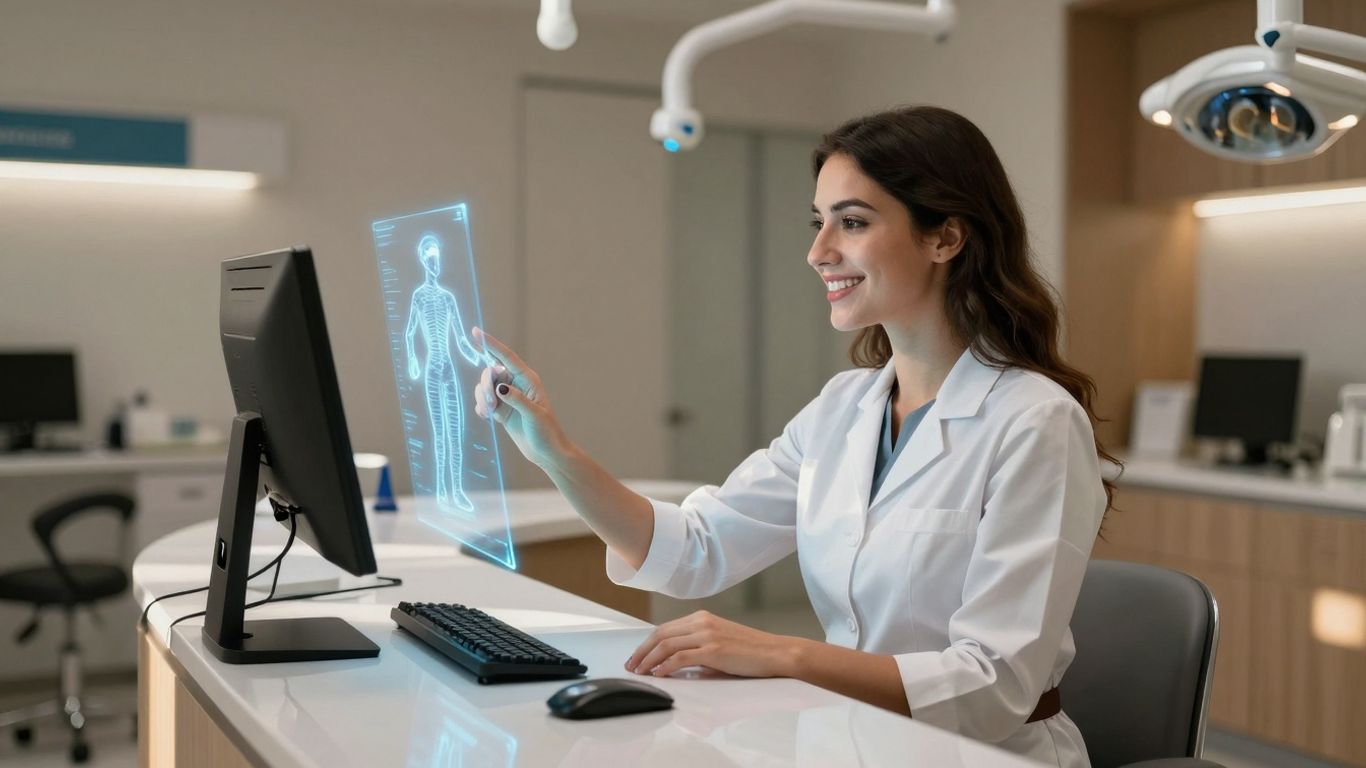
The front desk in a dental office is often a whirlwind. Phones ring, patients arrive, and questions fly from every direction. It’s easy for your team to get bogged down in the day-to-day grind, answering the same questions over and over. This is where an AI receptionist steps in, not to replace your staff, but to give them room to breathe.
Think about the calls that come in daily: "What are your hours?" "Do you take my insurance?" "How do I schedule an appointment?" These are important, but they’re also repetitive. An AI receptionist can handle these common inquiries instantly, 24/7. This frees up your human team from the monotonous tasks, letting them focus on more engaging work.
When the routine is handled by AI, your staff can dedicate their energy to what truly matters: the patient in front of them. They can spend more time building rapport, explaining treatment options, or addressing sensitive concerns. This shift allows for more personalized care and a better patient experience overall.
The goal isn't to remove the human touch, but to make it more meaningful. By offloading the predictable, you create space for the personal connections that make a practice special.
Burnout is a real problem in healthcare. When staff are constantly swamped with low-level tasks, job satisfaction plummets. By automating the mundane, you reduce the stress and frustration your team experiences. This leads to a happier, more engaged staff who feel valued and can focus on the aspects of their job they find most rewarding. It’s a simple change that can have a big impact on morale and retention.
Look, data is just numbers until you do something with it. An AI receptionist isn't just answering calls; it's collecting a goldmine of information about your practice. You get to see what's actually happening, not just guess. This isn't about fancy charts; it's about finding the leaks and plugging them.
Ever wonder when your phones are busiest? Or when they go quiet? The AI tracks this. You can see spikes during lunch hours, or maybe after a specific marketing email goes out. This helps you figure out staffing needs or when to push promotions.
What do people actually call about? Is it always appointment times? Insurance questions? Billing confusion? The AI logs these. If everyone's asking the same thing, maybe you need a better FAQ page, or a clearer section on your website. It points out where patients need more information, plain and simple.
This is where the rubber meets the road. Did that marketing campaign actually lead to bookings, or just more calls? The AI can help connect the dots. You can see which calls turned into appointments and which didn't. This means you stop wasting money on ads that don't work and start putting resources into what actually brings patients in.
The real value here is turning raw data into clear actions. It's about knowing exactly where to focus your efforts to improve your practice, rather than just hoping for the best. It’s a direct line from caller to conversion, showing you the path forward.
Here's a quick look at what you might see:
Think about the cost of a full-time receptionist. You've got salary, benefits, payroll taxes, training, sick days, vacation time. It adds up fast. A virtual AI receptionist, on the other hand, is a fixed, predictable cost. It doesn't need health insurance or paid time off. It works 24/7 without complaint. You're essentially paying for a service that's always on, handling calls and tasks without the overhead associated with human employees. This isn't about replacing people entirely, but about smartly reallocating resources. The AI handles the routine, freeing up your human staff for more complex, patient-facing roles.
Your practice grows, or maybe you have a sudden influx of new patients. With human staff, scaling up means hiring more people, which means more costs, more training, more space. An AI receptionist scales instantly. It can handle ten calls or a thousand calls simultaneously without breaking a sweat. The cost doesn't jump proportionally. You get the same service, whether you're a solo practitioner or a multi-dentist clinic. This flexibility is key for practices that experience seasonal fluctuations or rapid growth.
Budgeting is easier when you know what to expect. AI receptionist services typically offer clear pricing structures. You pay a set amount, often based on usage tiers or a flat monthly fee. This predictability helps you manage your practice's finances more effectively. No surprise overtime charges or unexpected benefit increases. You can allocate a specific budget for your virtual receptionist and stick to it, making financial planning much simpler. It’s a straightforward way to control a significant operational expense.
Running a modern dental office can be tough, but we have a smart way to help. Imagine having a helper that answers calls, books appointments, and talks to patients, all without you lifting a finger. This makes your practice run smoother and keeps your patients happy. Ready to see how easy it can be? Visit our website today to learn more and get started!
Look, running a dental office is tough. You're pulled in a million directions. Patients need attention, the phone won't stop ringing, and your team is probably swamped. An AI receptionist isn't some futuristic gadget anymore; it's a practical tool that just makes sense. It handles the calls, books the appointments, and keeps things running smoothly, even when you're closed. This frees up your staff to do what they do best – care for patients. It’s not about replacing people, it’s about giving them a break and making your practice work better. If you're still on the fence, consider the cost of missed calls and frustrated patients. An AI receptionist is a simple way to fix that and keep your practice ahead of the curve.
Think of it like a super-smart computer helper for your dental office's phone. It can answer calls, schedule appointments, and answer common questions, just like a person, but it works all day and night without getting tired.
It takes away a lot of the boring, repeating tasks like answering the same questions over and over or booking simple appointments. This frees up your human staff to focus on helping patients who are actually in the office or dealing with more complicated issues.
Yes! These AI systems are designed to understand what people are saying, even if they have an accent or use everyday language. They can figure out if someone has a dental emergency and know what to do next, like booking an urgent appointment.
The goal is for the AI to sound natural, like a real person. It's programmed to have smooth conversations. Plus, if it's always available and answers quickly, patients are usually happier than if they have to wait or get voicemail.
Most of these systems are made to connect easily with the software you already use for managing patient records and appointments. This makes it simple to get started and keeps all your information in one place.
Definitely. By handling many tasks that would normally need a human receptionist, it can lower your costs. You don't have to pay for extra staff for after-hours calls or busy periods, and it helps make sure you don't miss out on new patients who might call elsewhere if they can't get through.
Start your free trial for My AI Front Desk today, it takes minutes to setup!


