
The constant ringing of the phone can really tie up your clinic staff. Imagine if there was a way to handle most of those calls automatically, freeing up your team for more important things. That's where an AI voice receptionist for a healthcare clinic comes in. It's not about replacing people, but about making your clinic run smoother and giving your patients a better experience. Let's look at how this technology can change things.
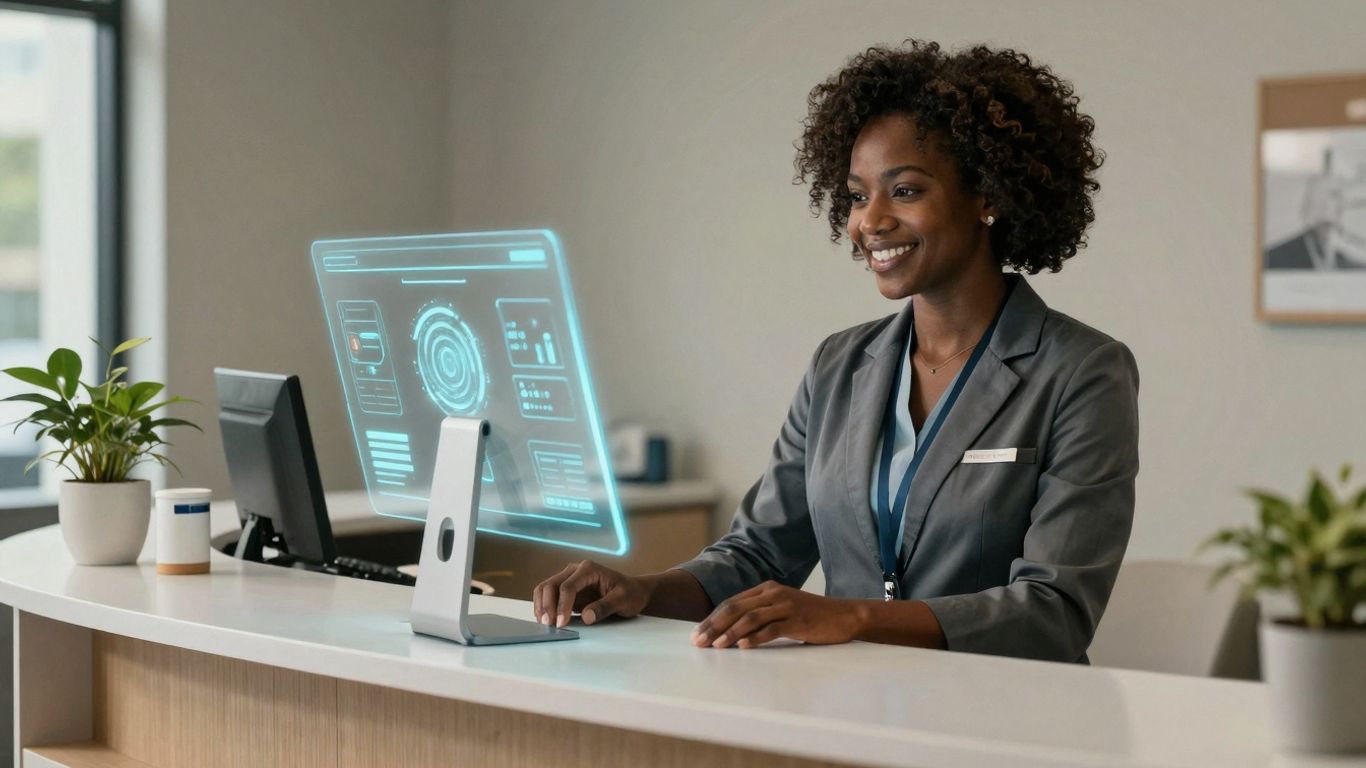
Think about the last time you called a clinic. Chances are, you waited. Maybe for a while. That's because human receptionists, as great as they are, can only handle so much. They get swamped. Calls pile up. Patients get frustrated. An AI voice receptionist changes this. It answers every call, instantly. No more busy signals. No more long holds. It can schedule appointments, reschedule them, or cancel them, all without a human needing to lift a finger. This isn't about replacing staff; it's about giving them breathing room. It means fewer dropped calls, more appointments booked, and a smoother start to the patient's journey.
Clinics are busy places. Beyond the phones, there's paperwork, patient check-ins, and a dozen other things demanding attention. An AI receptionist acts like a force multiplier for your front desk. It handles the routine, repetitive tasks that eat up valuable time. Imagine calls about directions, hours, or basic service questions being answered automatically. This frees up your human staff to focus on what they do best: direct patient care and complex administrative issues. It’s about making the whole operation run more efficiently, cutting down on administrative backlogs and reducing the stress on your team.
Patients want quick, easy access to care. When they call your clinic, they want their questions answered and their needs met without hassle. An AI voice receptionist provides that. It's available 24/7, so patients can book appointments or get information whenever it's convenient for them, not just during business hours. This constant availability reduces frustration and makes your clinic feel more accessible. Plus, the AI can be trained to understand natural language, making interactions feel less like talking to a robot and more like a helpful conversation. It’s a simple way to make patients feel heard and valued from the very first contact.
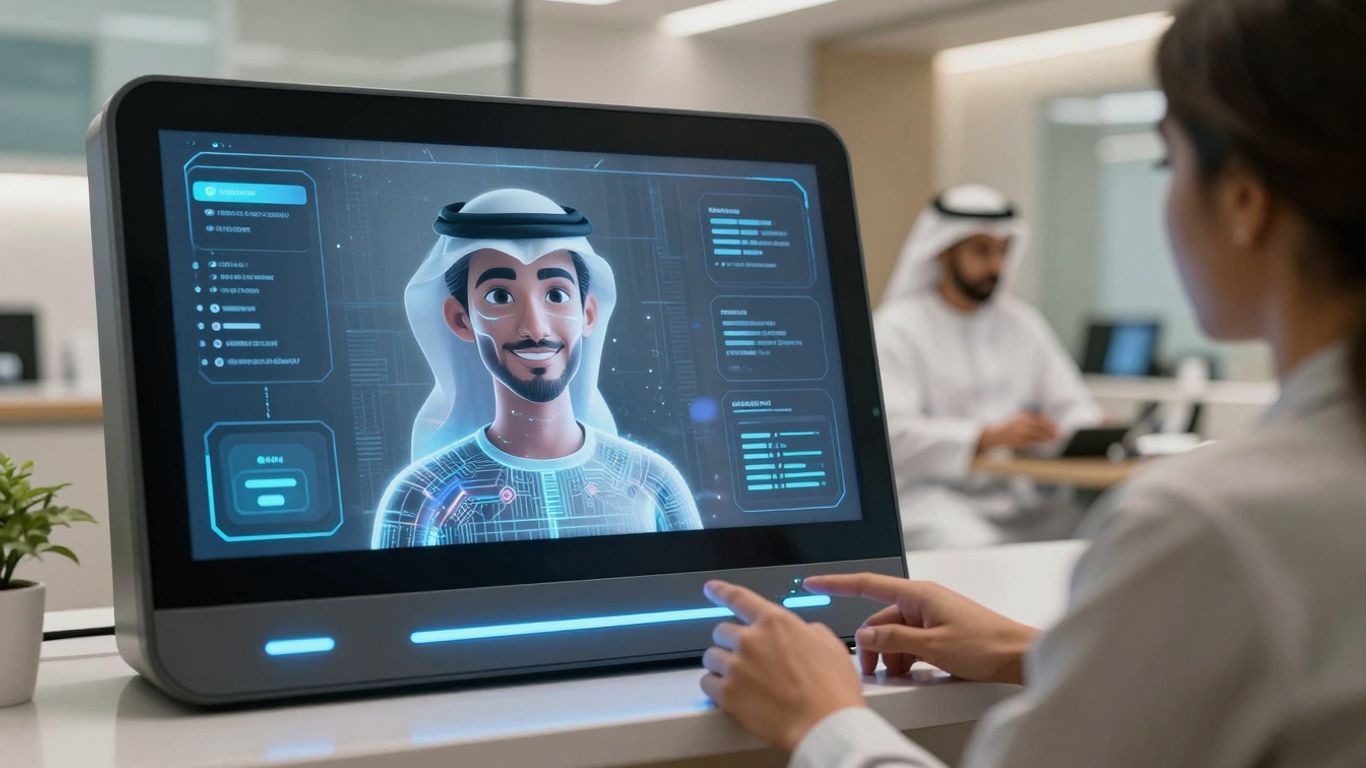
Think about how conversations actually work. It’s a back-and-forth, a rhythm. If one person is constantly pausing, fumbling for words, or just generally slow, the whole interaction feels off. It’s frustrating. An AI receptionist is built to avoid that. Its response times are measured in milliseconds, which is fast enough to keep up with natural human speech. This means no awkward silences, no "uhhhs" and "aaahs" from the AI. It's like having a conversation partner who's always ready with a quick, relevant reply. This speed isn't just a neat trick; it's transformative. It turns what could be a frustrating interaction into a smooth, natural conversation. It's the difference between feeling like you're talking to a machine and feeling like you're talking to a hyper-competent human.
Most people don't realize how much latency matters in conversation. But it does. A lot. Our AI receptionist is fast. Really fast. We measure its response time in milliseconds. That's quick enough to keep up with natural conversation. Why does this matter? Because conversation is a dance. A slow partner ruins the rhythm. A fast one keeps you on your toes. Think about the last time you called a business and got a slow, robotic response. Frustrating, right? That's what we've eliminated. Our AI doesn't just answer quickly. It thinks quickly. Ask it a complex question, and it doesn't miss a beat. It's like talking to the smartest person you know, but one who never needs to pause to think. This speed isn't just a neat trick. It's transformative. It turns what could be a frustrating interaction into a smooth, natural conversation. It's the difference between feeling like you're talking to a machine and feeling like you're talking to a hyper-competent human. We're obsessed with speed. We have a full AI research team dedicated to pushing the boundaries of what's possible. They've made our system faster than anything else on the market. We're constantly tweaking, optimizing, shaving off tiny fractions of time. Because in conversation, every bit of responsiveness counts. This might seem like overkill. It's not. It's the future of communication. And it's here now, in our AI receptionist. Try it. Call it. Ask it anything. Then try to remember you're not talking to a human. That's the power of speed. You can get started with an AI receptionist in minutes [f4cb].
It's not just about speed, though. It's about smart speed. You can ask an AI receptionist a complicated question, something that might make a human pause to think, and it won't miss a beat. It can access and process information incredibly fast, giving you accurate answers without delay. This makes patients feel heard and understood, rather than like they're talking to a script. The system allows for complex scenarios, understanding nuanced conversations. It works for inbound calls, enhancing customer interactions by providing timely information without interrupting the call flow.
Our AI receptionist includes a smart voicemail feature that simplifies message management:
This feature ensures you never miss important messages, even when you can't answer calls directly. It's an efficient way to manage communication and stay on top of your business needs. This feature leverages AI to automate text message sending based on call content, improving efficiency and customer experience.
Think about your clinic's current setup. You've got your Electronic Health Records (EHR) system, your scheduling software, maybe a patient portal, and various other tools. The idea of an AI receptionist working smoothly with all of them might sound complicated, but it doesn't have to be. Tools like Zapier are really changing the game here. Zapier acts like a bridge, connecting all these different apps so they can talk to each other. This means your AI receptionist isn't just an isolated tool; it becomes part of your clinic's central nervous system.
Zapier connects over 9,000 different applications. That's not a typo. It's almost ridiculous, but it's true. What does this mean for you? It means your AI receptionist isn't just answering calls. It's becoming the central nervous system of your clinic. Here's how:
This kind of connectivity can save you a ton of time and stop you from having to manually enter data into multiple places. It means everything is in sync. Always. It's like your clinic is doing yoga. It works with what you have – your CRM, project tools, that weird app only your team uses. It's all there. This integration isn't just connecting apps. It's transforming how you work.
In healthcare, timing is everything. Waiting for data to sync up can lead to mistakes or delays in patient care. With robust integrations, you get real-time data synchronization. This can be incredibly consistent and fast. It won't have an off day, and it can handle multiple inquiries at once without getting flustered. For things like appointment scheduling or providing basic information, it can actually be more efficient and accurate than a human. It's about finding the right balance and using the AI for what it does best. This proactive approach can really speed things up and improve how your clinic operates. It’s about making sure that as soon as something happens, the right next step is taken, often before a human even has to think about it.
Remember when businesses used to worry about phone lines like they were made of gold? "Oh no, all our lines are busy!" they'd cry, as if Alexander Graham Bell himself had personally limited them to five calls at once. Well, we fixed that. Our AI receptionist doesn't just handle multiple calls. It handles all the calls. At once. Forever. It's like we gave it an infinite supply of ears and an attention span that would make a zen master jealous.
This isn't just about answering more calls; it's about answering every call, no matter the volume. Think about peak times – a sudden influx of patients needing appointments, urgent queries after hours, or even a minor clinic crisis. Your human staff would be swamped, leading to dropped calls and frustrated patients. The AI, however, doesn't get flustered. It scales instantly. It's like having a thousand receptionists ready to go, but without the overhead. This means no more busy signals, ever. Every patient gets through, every time.
What happens when your clinic closes for the day, or during a busy lunch rush? Traditionally, those calls go to voicemail, or worse, get ignored. That's lost revenue and potentially untreated patients. Our AI receptionist is on duty 24/7. It picks up every single call, whether it's 3 PM on a Tuesday or 3 AM on a Sunday. It can handle appointment booking, answer common questions, and take messages, all without human intervention. This constant availability means your clinic captures every opportunity and provides continuous patient support, something traditional phone systems simply can't match.
Think about the cost of a human receptionist. Salaries, benefits, breaks, sick days – it adds up fast. An AI receptionist, on the other hand, is a fixed cost, predictable and often much lower. But even with AI, you want to keep a firm grip on spending. It’s not about being cheap; it’s about being smart with your resources.
This is like setting a budget for your AI's time. You can cap the total minutes the AI receptionist is active per day, week, or month. This is incredibly useful for keeping expenses in check. If you have a tight budget, you can set a hard limit. It also helps ensure the AI is available when you need it most, like during peak clinic hours, and doesn't run up costs during quiet periods. You can even set up alerts to let you know when you're approaching the limit, and decide what happens next – maybe it switches to voicemail or forwards the call to a human staff member. It’s about having that fine-grained control.
Your clinic has operating hours, right? Your AI receptionist should know them too. You can tell the AI exactly when to be active. This means it knows your clinic's normal hours, holidays, and even specific times of day. For example, you might want it fully active during your busiest appointment slots and less so during lunch breaks or after closing. This prevents unnecessary usage and ensures the AI is working when it's most beneficial for your patients and staff. It’s about making the AI work within your clinic’s rhythm, not against it.
When you combine setting minute limits with controlling active times, you get a clear picture of your AI receptionist costs. No more surprise bills. You know exactly what you're paying for, based on usage that you control. This predictability allows for better financial planning. You can allocate funds more effectively, knowing that your AI receptionist expenses won't suddenly skyrocket. It’s a straightforward way to manage overhead and ensure the AI is a cost-effective solution, not a hidden expense.
The goal is to create a partnership between your human team and the AI, where each complements the other's strengths. This synergy is what truly revolutionizes your clinic's operations.

Think about how we talk to each other. It’s fast, it’s fluid, and we expect the same from businesses. For too long, healthcare communication has lagged behind. Patients wait on hold, get bounced around, or leave messages that might get lost. This isn't just annoying; it means people don't get the care they need when they need it. That's a problem.
Your clinic isn't open all the time, but patient needs don't clock out at 5 PM. An AI receptionist is always on. It doesn't need breaks, sleep, or holidays. This means a patient can call at midnight with a question about medication or to book an urgent follow-up, and get an answer or an appointment slot immediately. No more waiting until morning. This constant availability changes the game for patient access.
We've all been stuck on hold, listening to terrible music. In healthcare, this isn't just a minor inconvenience; it can be a barrier to care. Patients hang up. They give up. An AI receptionist handles every call instantly. It can manage thousands of calls at once, booking appointments, answering common questions, and routing complex issues without a single person waiting. This frees up your human staff to focus on patients who are actually in the clinic, doing the complex work that only they can do.
This isn't about replacing people. It's about giving them better tools. Imagine your front desk staff not drowning in phone calls, but instead focusing on greeting patients, managing paperwork, and providing direct support. The AI handles the repetitive, time-consuming tasks. It's like having an extra team member who never gets tired, never makes a mistake on basic data entry, and is always polite. This partnership means less burnout for your staff and a better experience for everyone involved.
The way we talk to patients is changing fast, and it's already here! Imagine a system that handles calls 24/7, sorts out who's who, and even sets up appointments. This isn't science fiction; it's the new reality for better patient care. Ready to see how this can help your practice? Visit our website to learn more about making patient communication easier than ever.
Look, adopting new tech can feel like a hassle. You think about the setup, the training, the potential glitches. But with an AI voice receptionist, the payoff is pretty clear. It’s not about replacing your team; it’s about giving them a break and making sure patients get help when they need it, day or night. Think of it as upgrading your clinic’s front door. It’s faster, it’s always open, and it handles the routine stuff so your people can focus on what really matters. This isn't some far-off dream; it's a practical tool that’s ready to work for you right now.
Think of an AI voice receptionist as a super-smart computer program that answers your clinic's phone calls. It can do things like help patients book appointments, answer common questions, and even take messages, all in a natural, human-like voice. It's like having an extra helper that's available 24/7.
Yes, it can! Unlike older phone systems that just follow a script, this AI uses advanced technology to understand what people are saying, even if they don't say it perfectly. It can figure out what the patient needs and give a helpful answer. While it's programmed to send really serious or personal medical questions to a real person, it's great at handling most everyday chats.
Not at all! The main idea is to help your current staff, not replace them. The AI handles the simple, repeating calls, which frees up your human team to focus on patients who are in the clinic, have more complex needs, or require a personal touch. It helps your staff do their jobs better and reduces stress.
This AI is designed to connect directly with your clinic's main scheduling system. It can see exactly which times are open and which are already taken, just like your human receptionist. So, it only offers available slots, and any appointment it books is instantly added to your official schedule, preventing any mix-ups.
Setting it up is surprisingly easy! Companies that offer these systems work with you to learn about your clinic and how you want calls handled. They then train the AI to sound right, follow your procedures, and connect with your existing systems. Many clinics can be up and running in just a few weeks.
You can set limits on how much the AI is used, so you can manage costs. If the AI can't handle a request, or if a patient specifically asks to speak to a person, it's designed to smoothly transfer the call to a human staff member. Patients always have the option to talk to a person if they need to.
Start your free trial for My AI Front Desk today, it takes minutes to setup!


