
Running a small business means juggling a million things. You want to grow, be more efficient, and maybe even get a little ahead of the competition. That's where AI comes in. It's not just for big tech companies anymore. There are some really useful AI tools out there that can help with everyday tasks, freeing you up to focus on what really matters. We're going to look at some of the best AI consulting tools for small businesses that can really make a difference.
Think of your front desk. It's the first impression, the gatekeeper, the person who answers the phone. For a small business, that role is often stretched thin. You might have someone answering calls, but what happens when they're busy, on lunch, or worse, out sick? Leads get missed. Opportunities vanish.
AI frontdesk tools are essentially a super-powered receptionist that never sleeps. They handle inbound calls, answer common questions, and even qualify leads. This isn't about replacing humans entirely; it's about freeing them up for the tasks that actually need a human touch.
These systems can pick up the phone 24/7. They can schedule appointments, take messages, and send them straight to your inbox as text. For service businesses, this is huge. A missed call from someone needing a plumber at 10 PM isn't just a missed call; it's a lost job. An AI frontdesk ensures that doesn't happen.
Here's a quick look at what they can do:
The real win here is consistency. An AI doesn't have bad days. It doesn't get tired. It just performs its function, reliably, every single time. This consistency builds trust with customers and ensures your business always looks professional.
Look, most software doesn't talk to other software. It's like having a bunch of smart people in a room who refuse to share notes. That's where Zapier comes in. It's the glue that holds your digital life together.
Think of it as a universal translator for your apps. You tell Zapier, "When X happens in App A, do Y in App B." And it just does it. No coding, no fuss. It connects over 5,000 apps, which is frankly absurd. Your AI receptionist, your CRM, your email list – they can all start talking to each other.
This isn't just about convenience, though that's a big part of it. It's about making your business run like a well-oiled machine. Imagine this:
The real magic is in the automation of tasks you'd otherwise do manually. This saves you time, cuts down on errors, and means you're not bogged down in busywork. It turns your collection of apps into a cohesive system. It’s how you go from juggling tools to orchestrating them.
Think about this: you can offer a top-tier AI receptionist service to other businesses, but have it branded as your own. That's the gist of a white label reseller program. You're essentially getting a ready-made AI solution – the tech, the support, everything – and slapping your company's logo on it. It's a fast track into the AI services market without having to build the whole thing from scratch.
This setup is pretty neat because it lets you focus on selling and client relationships, not on coding or server maintenance. You get to set your own prices, too. Many resellers charge somewhere between $250 to $500 a month per client, which can add up fast, especially since the underlying AI costs are usually pretty low for the provider.
Here's a quick look at what you typically get:
The real advantage here is the speed to market. You can launch your own AI receptionist business in days, not months or years. It's a way to add a high-demand service to your existing offerings or start a new venture with a proven product.
It's a smart move if you're already in a related field, like web design or marketing, and want to offer more value. Or if you're just looking for a business with solid growth potential in a booming tech sector. You're not just selling a tool; you're selling a piece of the future to businesses that need it.
Customer service is where AI really shines for small businesses. Think about it: you can't be available 24/7, but your AI can. Chatbots and AI receptionists can handle a lot of the routine stuff, freeing up your team for the trickier problems. This isn't just about answering questions faster; it's about making customers feel heard, even at 3 AM.
The biggest win here is consistency. An AI doesn't have bad days. It doesn't get tired. It delivers the same helpful response every single time. This builds trust and makes people more likely to come back. Plus, it can handle way more inquiries at once than a human ever could. Imagine a sudden rush of calls after a social media post – your AI just handles it. No busy signals, no dropped calls. It's like giving your business a superpower.
Here’s a quick look at what AI can do:
The goal isn't to replace humans entirely, but to augment them. AI handles the repetitive, predictable tasks, allowing your staff to focus on building relationships and solving complex issues. This makes everyone more effective and happier.
Tools like AI Frontdesk can manage calls, texts, and even schedule appointments, integrating with your existing systems. This means less time spent on administrative tasks and more time focused on growing the business. It’s a simple way to make your customer service operation punch above its weight.
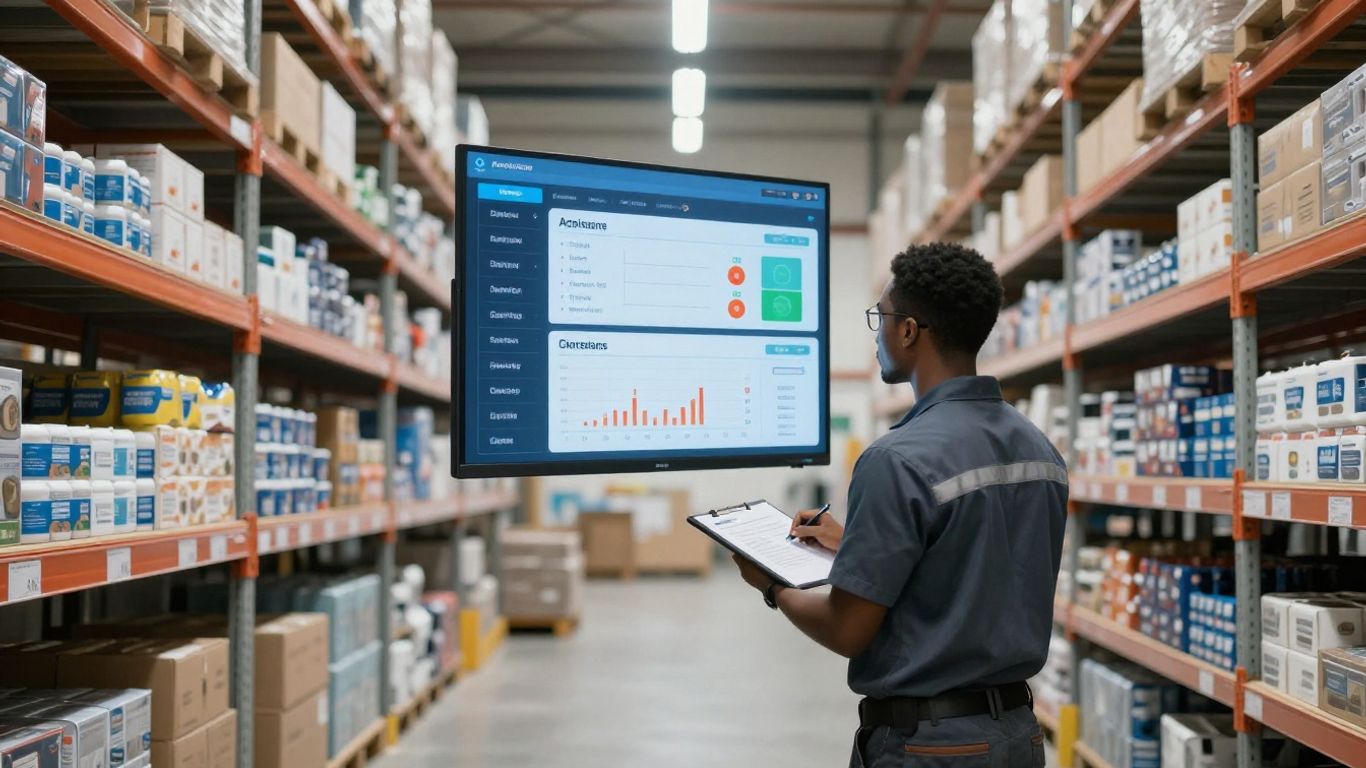
Keeping inventory levels right-sized is a constant battle for small business owners. Too much stock means cash is tied up and shelves get cluttered; too little, and you lose sales. Here’s where AI steps in. Modern AI inventory tools analyze sales data, seasonality, and even external signals like local events or weather, so you're rarely caught off guard. They don’t just guess—these systems crunch numbers at a scale few humans can.
Some of the practical impacts include:
Here's a snapshot of the financial impact (real numbers from businesses using AI for inventory):
In practice, an electronics shop I know saved about $1,200 a month just by getting seasonal orders right. Multiply that over a year, and it’s thousands that can be reinvested.
AI for inventory isn’t magic, but it feels close: you spend less time worrying about what’s in the back room and more time figuring out how to grow.
If you’re still managing inventory on gut feel, trying AI is probably overdue. It’s not just for big retailers. It’s for anyone who wants predictability instead of surprises.
Look, marketing and sales are where the rubber meets the road for most small businesses. You can have the best product in the world, but if no one knows about it or you can't close a deal, you're just spinning your wheels. AI is changing this game, and not in a subtle way. It's automating the grunt work and, more importantly, giving you insights you'd never get otherwise.
Think about content creation. Writing blog posts, social media updates, email campaigns – it's a constant drain on time. Tools like Jasper AI can churn out drafts in minutes. You still need to edit and add your unique voice, of course, but it cuts down the initial effort dramatically. This means more consistent output, which is key for keeping your audience engaged. The real win here is freeing up your team to focus on strategy and creativity, not just churning out words.
Then there's lead generation and qualification. You're probably getting leads from all over the place – website forms, social media, calls. Trying to sort through them and follow up quickly is tough. AI tools can help filter the good leads from the noise. They can even automate initial outreach, asking qualifying questions so your sales team only talks to people who are actually ready to buy. This isn't about replacing salespeople; it's about making them way more effective.
Here's a quick look at how AI can impact your sales and marketing:
The biggest shift AI brings to sales and marketing is moving from broad strokes to precise targeting. Instead of shouting into the void, you're having targeted conversations with people who are already interested. This efficiency boost means you can do more with less, which is pretty much the small business mantra.
It's not just about speed, though. It's about intelligence. AI can analyze customer data to predict what they'll want next, or identify patterns in successful sales pitches. This kind of insight used to require a whole team of analysts, but now it's becoming accessible to everyone. The trick is to start small, pick one or two areas where you're struggling the most, and see how AI can help. Don't try to boil the ocean.

Look, managing money is a headache for most small businesses. You've got invoices to send, bills to pay, and then there's the whole tracking expenses thing. It's easy to mess up, and nobody wants to explain to the IRS why their numbers don't add up. AI can actually help here, and it's not some futuristic pipe dream.
Think about automating the grunt work. AI tools can handle things like sending out invoices automatically, keeping tabs on where your money is going, and even flagging potential budget issues before they become big problems. This isn't about replacing your accountant, but about giving them (and you) fewer tedious tasks to worry about. The goal is cleaner books and more time to actually grow the business.
Here’s a quick rundown of what AI can do for your finances:
The real win with AI in finance is accuracy and speed. When the numbers are right and you get them quickly, you can make better decisions about where to put your resources. It’s about turning financial data from a chore into a tool.
Integrating these tools doesn't have to be complicated. Many systems are designed to work with your existing accounting software, like QuickBooks, making the transition smoother. The key is to find solutions that simplify, not complicate, your financial operations. For businesses looking to get a handle on their finances, exploring AI options is a smart move. You can find AI-powered financial tools that integrate with your existing systems, making the process less daunting. Check out AI tools that can help manage your business finances more effectively.

Look, data is just numbers until you do something with it. AI is what lets you actually do something. It’s not about fancy algorithms for their own sake; it’s about making better choices, faster. Think about your sales figures, customer feedback, or even just website traffic. Most of that stuff sits around, right? AI tools can sift through it all, find patterns you’d never spot, and tell you what’s actually going on.
This isn't just for big corporations with data science teams. Small businesses can use this too. Imagine an AI that looks at your sales data and tells you which products are likely to sell best next month, or which marketing emails actually get people to click. That’s not magic; it’s just smart analysis.
Here’s a quick look at what AI can do for your data:
The real win here is moving from guessing to knowing. When you base decisions on what the data actually says, you cut down on wasted effort and money. It’s about making your business more efficient by understanding itself better.
For example, a small e-commerce shop might use AI to analyze purchase history and website browsing. The AI could then suggest which products to bundle together, or which customers are most likely to respond to a discount offer. This kind of insight helps you focus your resources where they’ll have the biggest impact. It’s about making your business smarter, not just busier.
LeadTruffle is built for service businesses that want to stop missing leads. Think plumbers, electricians, contractors – the folks who are usually out on a job, not glued to their phones. It works by capturing leads 24/7 and, importantly, it automatically texts back people who miss your calls. This isn't just a basic auto-reply; it asks qualifying questions to figure out if they're a real prospect.
The real advantage here is that it acts like a first-line sales rep, working around the clock. Most small businesses are still just experimenting with AI, so getting something like LeadTruffle in place now gives you a serious edge. It means you're not losing potential customers just because you couldn't answer the phone at that exact moment.
Here's a quick look at what it does:
The market is moving fast. While many businesses are still figuring out AI, those who implement it systematically now are building a competitive moat. LeadTruffle is one of those tools that makes this transition straightforward, especially for service-based operations.
Jasper AI is a tool that helps you write stuff. Think of it as a writing assistant that can churn out marketing copy, blog posts, social media updates, and even emails. It uses AI to understand what you need and then generates text that sounds pretty natural. It’s designed to speed up content creation significantly.
If you’re a small business owner who’s constantly staring at a blank page, wondering how to get that next piece of content out, Jasper can be a real help. It has over 50 templates for different kinds of writing, so you can pick one that fits what you’re trying to do. It also lets you customize the brand voice, which is important if you want your writing to sound like, well, you.
Here’s a quick look at what it offers:
It’s not magic, you still need to guide it and edit what it produces, but it cuts down the time you spend staring at a cursor. For businesses that rely on content to attract customers, this can be a game-changer. You can get content out faster, which means you can test more ideas and reach more people. It’s a way to get more done without hiring a whole writing team. You can find more about AI content tools on Zapier’s guide.
The real benefit here is freeing up your time. Instead of spending hours wrestling with words, you can use Jasper to get a solid draft quickly. Then, you can focus on the strategy, the promotion, and actually talking to your customers. It’s about working smarter, not just harder.
Jasper AI is a tool that helps you create content. It can write blog posts, social media updates, and even marketing copy. Think of it as a smart assistant for your writing needs. Want to see how AI can help your business? Visit our website to learn more!
Look, AI isn't some far-off future thing anymore. It's here, and it's changing how businesses work, right now. The numbers show it: companies using AI are seeing more money, saving time, and just generally running smoother. The real trick isn't just picking up a tool; it's putting it to work in a way that actually makes sense for your business. Start small, focus on what saves you the most headaches, and build from there. The businesses that get this right are going to pull ahead. The ones that don't? Well, they'll probably be wondering what happened.
AI tools help small businesses save time, reduce mistakes, and work smarter. They can handle tasks like answering customer questions, keeping track of inventory, and sending out marketing messages. This means business owners can focus on bigger goals and grow faster.
Most modern AI tools are made to be easy to set up. Many offer simple instructions, video guides, and customer support. Some tools work right out of the box and can connect with apps you already use, like your calendar or email.
No, many AI tools are affordable. Some even have free versions or trials. Prices can start as low as a few dollars per month, and you can choose a plan that fits your budget. The right tool usually pays for itself by saving time or helping you make more sales.
Yes! AI tools can answer questions quickly, follow up with leads, and even send reminders to people who showed interest in your business. This means you don’t miss out on possible customers and can turn more leads into sales.
Most trusted AI tools use strong security to protect your data. Always check if the tool follows rules for privacy and data protection. Read reviews and only use tools from companies with good reputations.
Many AI tools are built to grow with your business. You can start with a basic plan and upgrade as you need more features or have more customers. This way, you don’t have to switch tools as your business gets bigger.
Start your free trial for My AI Front Desk today, it takes minutes to setup!


