
Plumbing businesses in 2026 are facing a new landscape. Keeping up with customer calls, especially emergencies, is tough. Missing a call can mean losing big jobs. That's where AI receptionist software for plumbers 2026 comes in. It's not just about answering the phone; it's about making sure you capture every opportunity, day or night. Let's look at some top options that can help your plumbing business thrive.
ServiceAgent.ai isn't just another chatbot trying to sound human. It's built from the ground up for service businesses, especially plumbers. Think of it as a digital employee that actually understands what a slab leak is, or why a customer might be panicking about a burst pipe at 3 AM. It's designed to handle the chaos of plumbing calls so you don't have to.
What sets it apart is its deep integration with the tools you probably already use, like ServiceTitan or Jobber. This means when the AI books an appointment, it’s not just taking a message; it’s updating your dispatch board in real-time. No more double bookings or missed calls because someone forgot to update the system. It handles the initial triage, figures out if it's an emergency based on rules you set, and can even route the call to the right on-call tech. It learns your business from your website and PDFs, becoming an expert on your services and pricing without weeks of training. It’s like hiring someone who’s already read your entire employee handbook and knows your services better than your newest hire.
Think of Zapier as the digital glue for your plumbing business. It connects your AI receptionist to pretty much everything else you use. This isn't just about making things talk; it's about making them work together, automatically. When your AI receptionist handles a call, Zapier can trigger actions in other apps. For instance, a new lead captured by the AI could automatically create a contact in your CRM, or a service request could generate a work order in your scheduling software. This level of automation cuts down on manual data entry to almost zero, saving you hours each week. It means less time spent copying and pasting information and more time actually running your business. The integration is two-way, so data flows back and forth, keeping everything in sync. It’s like having a super-efficient assistant who knows how to use all your tools without you having to explain it every time. This makes your whole operation run smoother, faster, and with fewer mistakes. It’s a simple concept, but the impact on efficiency is huge.
Remember the days when a busy signal meant lost business? It’s a relic of the past. In 2026, your plumbing business can’t afford to miss a single call, especially during those frantic emergency moments. An AI receptionist handles an unlimited number of calls simultaneously, meaning no customer ever hears that dreaded busy tone. Whether it's a sudden pipe burst at 3 AM or a flood of inquiries after a local ad campaign, the system doesn't flinch. It's like having an infinite number of receptionists working around the clock, each giving every caller their undivided attention. This isn't just about answering more calls; it's about capturing every potential job and providing consistent service, no matter the volume. Think of it as a digital overflow valve, ensuring your business stays accessible when it matters most. This kind of scalability means you can grow without worrying about your phone lines becoming a bottleneck. It’s the kind of infrastructure that lets you focus on the actual plumbing, not on managing call queues. For a business that thrives on being there when people need it, this feature is non-negotiable. It's the difference between a homeowner calling your competitor because you were
Voicemail used to be a black hole for missed calls. People would leave messages, and you'd hope to get back to them eventually. But studies show a huge chunk of callers just hang up if they hit voicemail. In our line of work, a burst pipe at 3 AM isn't waiting for a callback. It needs attention now.
That's where AI transcription changes the game. Instead of listening to a garbled message, you get text. This means you can scan messages quickly, understand the urgency, and act much faster. It's like getting an email summary of a voicemail. You can see the caller's name, their problem, and decide if it's an emergency that needs immediate dispatch or something that can wait until morning.
This isn't just about convenience; it's about revenue. Missing a critical call because you were asleep or busy means losing out on potentially high-paying emergency jobs. Transcription turns those missed opportunities into actionable leads. You can even have the AI flag messages as urgent based on keywords, so you're not digging through a pile of routine inquiries when a real crisis hits.
When a customer calls with a leaky pipe or a clogged drain, they don't want to wait. They want help, and they want it now. This is where speed and latency in an AI receptionist become critical. Think of it like a conversation. If you're talking to someone who pauses for ages between sentences, it's jarring. It breaks the flow. The same applies to an AI.
Our AI receptionist responds in milliseconds, not seconds. This isn't just about being quick; it's about being present. It means the AI can keep up with natural speech patterns, understand context as it unfolds, and respond without making the caller feel like they're talking to a slow machine. This near-instantaneous feedback loop is what separates a frustrating automated experience from a helpful one.
Why does this matter for plumbers?
We've obsessed over shaving off every possible millisecond. It's not just a feature; it's the foundation of a good AI interaction. It’s the difference between a call that feels like a chore and one that feels like a solution already in progress.

Think about reselling this AI receptionist tech. It's not just about slapping your logo on someone else's product. It's about building your own brand around a service that businesses actually need. Plumbers, electricians, dentists – they all struggle with missed calls and leads slipping through the cracks. You can offer them a solution, branded as yours, without building the tech from scratch.
This lets you capture a slice of the AI market without the heavy lifting of development. You get the software, the support, and the ability to set your own prices. It’s a way to add a high-value service to your existing offerings or start a new venture with a proven product. The setup is usually quick, often just a week, and you can start with a small number of accounts. It’s a straightforward path to becoming an AI solutions provider.
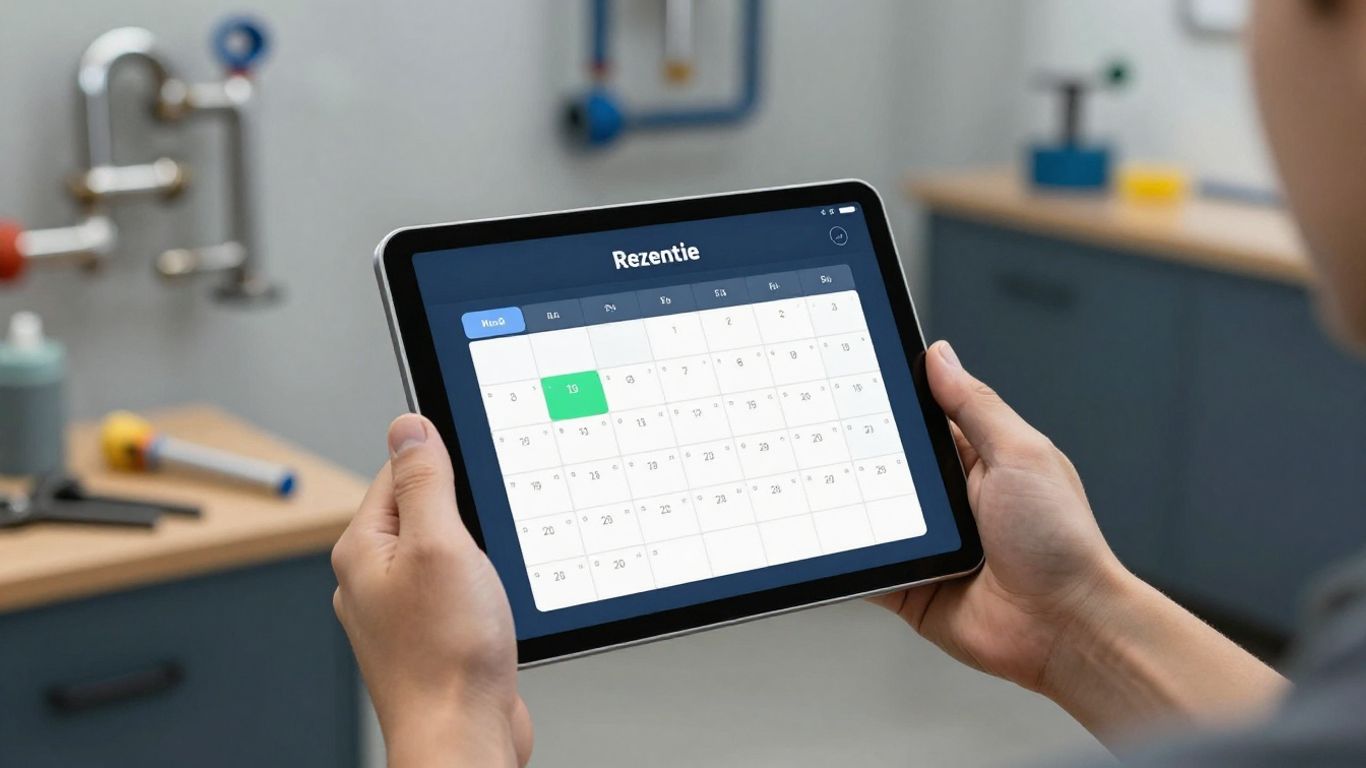
Most businesses act like time is some endless resource they can just toss around. They let it slip away. But time is actually the only thing you can't get more of. That's why AI receptionists that let you set active times are a big deal.
This feature lets you tell the AI exactly when to work and when to take a break. You set your business hours, and the AI sticks to them. It’s smart enough to handle holidays, different seasons, or even time zones if you operate in more than one. It knows that a call at 9 AM is different from a call at 9 PM, and it responds appropriately.
Think about it: no more "Sorry, we're closed" messages popping up at 2 PM on a Tuesday. No more confused customers wondering why you're not picking up on a holiday. It means you don't miss opportunities just because your AI doesn't know what time it is.
It might seem like a small thing, but these details add up. It's the difference between a business that respects your time and one that doesn't. It’s how a customer feels understood instead of frustrated.
While any answering service might claim to do this, the reality is most don't, or they make it so complicated it's not worth the hassle. A good AI receptionist makes this simple and effective.
This control means the AI acts like a real employee who knows when they're supposed to be on the clock. It's about making sure the right calls are handled at the right times, without any fuss.

Look, software is only as good as how well it plays with your other tools. If your AI receptionist can't talk to your scheduling app or your invoicing system, it's just a fancy answering machine. That's where integration support comes in. It's not just about having a few buttons that say 'connect.' It's about making sure your AI receptionist becomes a central hub, not another silo.
The real value is in making your existing software work harder for you. Think about it: when a call comes in, and the AI books an appointment, that information needs to go straight into your calendar and your job management system. No manual entry, no copy-pasting. Just done. This means fewer mistakes and less time wasted on busywork.
We're talking about connections that actually matter for a plumbing business:
It's about building a connected ecosystem for your business. When your AI receptionist can talk to everything else, it stops being just a phone system and starts being the brain of your operation. That's the kind of support that actually moves the needle.
A generic AI might understand "appointment," but does it know the difference between a "service call" and a "service agreement"? For plumbing, this distinction matters. The best AI receptionists are trained on plumbing lingo. This means they can correctly interpret terms like "backflow preventer," "sump pump failure," or "sewer line blockage." Without this specialized knowledge, the AI might misinterpret a customer's urgent need, leading to scheduling errors or, worse, dispatching the wrong type of technician. Look for systems that allow you to upload your own price lists and service manuals. This way, the AI speaks your language, reflects your actual services, and quotes prices accurately. It’s not just about answering the phone; it’s about understanding the job before the truck even leaves the lot.
Think of your AI receptionist not as a rigid robot, but as a flexible employee. The real power comes when you can shape its responses and actions to perfectly match your business. This isn't about just picking from a few pre-written phrases; it's about having granular control over how your AI interacts with customers.
You need to be able to dictate the exact flow of a conversation. This means defining what questions the AI asks, how it responds to common inquiries, and what it does next. For a plumbing business, this could be anything from how it handles a call about a burst pipe versus a routine maintenance request. You're essentially writing the script, but the AI performs it.
Here’s what that looks like in practice:
This level of control means your AI receptionist can handle a wide range of scenarios without sounding repetitive or out of place. It’s about making the AI an extension of your brand, not just a generic answering service. You can even train it on specific plumbing terminology, so it understands terms like "P-trap" or "sump pump" without missing a beat. This ensures every customer interaction feels natural and productive, turning potential leads into booked appointments. It’s about making the AI work for your specific needs, not the other way around. You can even integrate it with your existing systems, like your CRM, to automatically update customer records after a call, making sure no detail gets lost. This kind of integration is key to turning a simple AI receptionist into a powerful business tool. Learn about AI integration.
Want to change how your system works? Our tools let you tweak and control things easily. You can set up exactly what you need. Visit our website to see how you can make it your own!
Look, plumbing isn't going back to how it was. You can keep doing things the old way, sure, but you'll just be handing business to the guys who aren't afraid of a little tech. These AI receptionists, they're not some futuristic dream anymore. They're here, they work, and they actually make your life easier by picking up the slack. If you're still letting calls go to voicemail or relying on a service that barely knows the difference between a leaky faucet and a burst pipe, you're basically telling customers to go elsewhere. It’s time to stop leaving money on the table. Get with the program, or get left behind.
Yes, many AI receptionists are trained specifically for trades like plumbing. They can learn your service list, pricing, and even understand terms like 'water heater replacement' versus a 'leaky faucet.' Some systems let you upload your own business information so the AI speaks your exact language.
Most customers won't even realize it's an AI! Modern AI sounds very natural, like a real person. It can handle pauses and interruptions. If you want, you can even set it up to introduce itself as an AI assistant, but many businesses find it works best when it sounds just like a human receptionist.
AI doesn't get overwhelmed like a human. If a big storm hits or your number goes viral, the AI can answer every single call instantly. It's like having an unlimited number of receptionists working all at the same time, so no customer has to wait on hold for an urgent issue.
Absolutely! Top AI receptionist services offer direct connections, called integrations, with popular plumbing software like ServiceTitan, Jobber, or Housecall Pro. This means the AI can check your schedule, book appointments, and add job details right into your system automatically, saving you tons of manual work.
If a customer asks something too complicated or needs a human touch, the AI is programmed to handle it smoothly. It can either transfer the call directly to your team or take a detailed message, making sure you get all the important information to call the customer back quickly.
The AI is incredibly fast, responding in milliseconds. This means conversations feel natural and smooth, without those awkward long pauses you might get with slower systems. It keeps the conversation flowing just like talking to a person.
Start your free trial for My AI Front Desk today, it takes minutes to setup!


