
Lawyers spend a lot of time on tasks that don't directly involve practicing law. Think about answering phones, scheduling meetings, and following up with potential clients. It's a lot. But what if there was a way to handle all that without taking time away from your actual legal work? That's where an AI receptionist for lawyers comes in. It's not science fiction anymore; it's a practical tool that can change how your practice runs.

Think about the last time you missed a call. Maybe it was during a client meeting, or perhaps you were just swamped. Whatever the reason, that missed call likely meant a missed opportunity. For a law firm, this isn't just an inconvenience; it's a direct hit to your bottom line. Potential clients, often in distress, don't wait around. They call, they don't get an answer, and they move on to the next firm on the list. It’s that simple. The cost isn't just the lost fee from that one case; it's the ripple effect of clients choosing competitors because they felt heard immediately.
An AI receptionist doesn't get tired. It doesn't need breaks. It doesn't call in sick. It's there, ready to answer the phone, 24 hours a day, 7 days a week. This means every single call, whether it comes in at 9 AM on a Tuesday or 11 PM on a Saturday, is handled. The AI can greet callers, gather basic information, and even schedule appointments directly into your calendar. It acts as your firm's first point of contact, always professional, always available. This constant presence signals reliability and attentiveness to your clients.
Your clients' legal needs don't adhere to a 9-to-5 schedule. Emergencies happen, questions arise, and the need for legal counsel can strike at any moment. An AI receptionist bridges the gap when your human staff can't be reached. It provides immediate support outside of standard business hours, holidays, and weekends. This continuous availability means a client in urgent need won't be met with a generic voicemail. Instead, they'll interact with an AI that can provide initial guidance or set up a callback for when your team is available. This level of constant accessibility builds trust and shows clients you're committed to their needs, no matter the hour.
When a potential client reaches out, the first few moments are critical. An AI receptionist acts as your firm's tireless front door, available around the clock. It doesn't just pick up the phone; it starts the process of understanding who is calling and what they need. This immediate engagement means fewer potential clients slip through the cracks because they couldn't get through during business hours or had to leave a voicemail.
Beyond just taking messages, an AI can be programmed to ask qualifying questions. Think of it as a preliminary interview. It can gather basic information about the case, confirm the caller is seeking legal representation, and even assess if their needs align with your firm's specialties. This isn't about replacing legal judgment, but about filtering out inquiries that aren't a good fit, saving your team time and resources. It ensures that when an attorney does engage, it's with a lead that has already passed a basic suitability test.
Once a lead is qualified, the next step is booking a consultation. An AI receptionist can integrate directly with your firm's calendar. It can check availability in real-time and offer potential appointment slots to the caller. The client can select a time that works for them, and the appointment is booked instantly. This removes the back-and-forth of phone tag and emails trying to find a mutually convenient time, moving potential clients from initial contact to a scheduled meeting much faster.
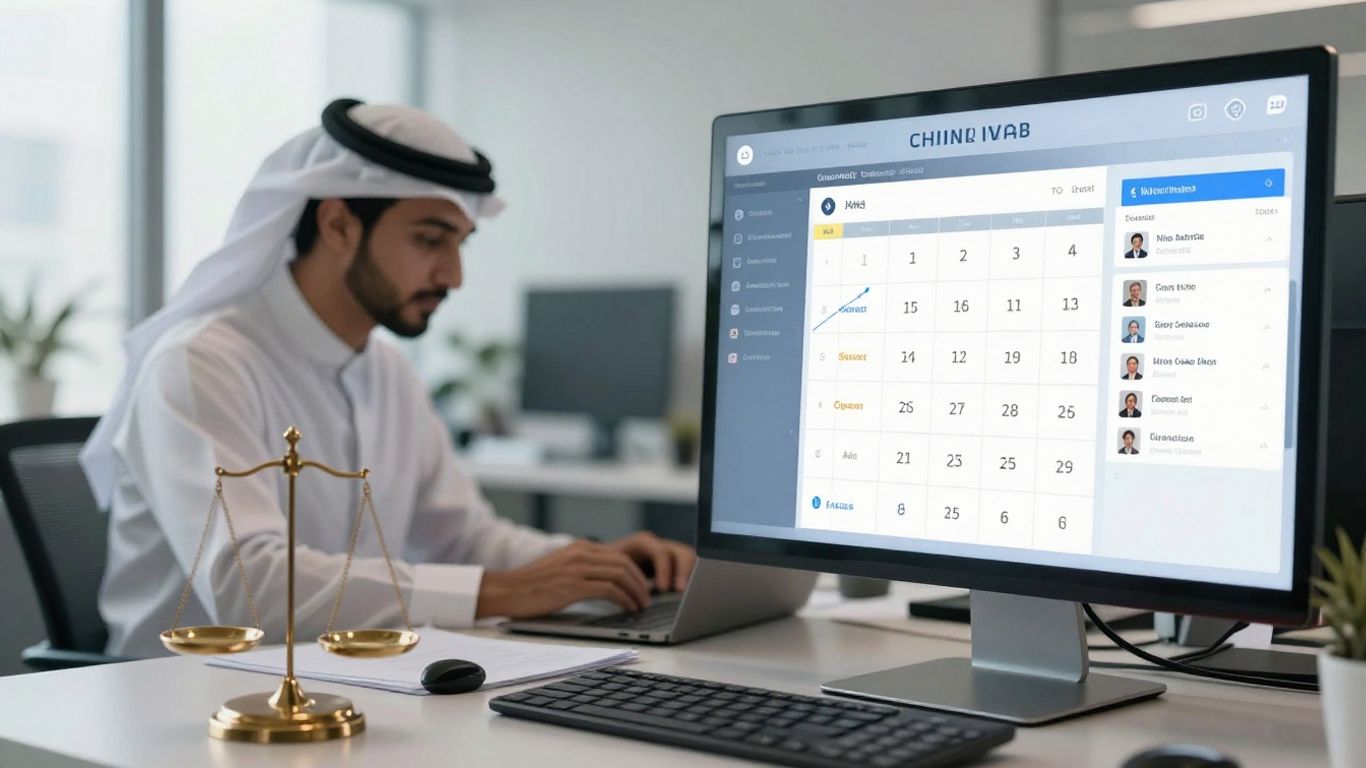
Think about it. Lawyers are trained to do complex legal work, not answer phones or schedule appointments. Yet, a significant chunk of their day gets eaten up by administrative tasks. Reports suggest lawyers only log about 2.9 billable hours in an eight-hour day. That's a lot of time spent on things that don't directly generate revenue. An AI receptionist can change that.
An AI receptionist acts as a buffer, handling the initial contact and basic information gathering. This means fewer interruptions for your attorneys. Instead of fielding calls about appointment availability or basic case questions, they can focus on what they do best. This automation takes the load off, allowing your team to work more efficiently.
When administrative tasks are automated, attorneys can dedicate more time to billable work. This isn't just about making more money; it's about practicing law more effectively. More time means deeper dives into cases, better strategy development, and more thorough client consultations. This shift allows your firm to provide a higher quality of service.
The average lawyer only records about 2.9 hours of billable work during an eight-hour day. Automating routine tasks frees up this time for revenue-generating activities.
With an AI handling intake and scheduling, attorneys can walk into client meetings better prepared. The AI can gather preliminary information, ensuring the attorney has context before the meeting even begins. This leads to more productive conversations and a stronger client relationship. It makes your firm appear organized and ready to help, right from the first interaction. This kind of responsiveness builds trust and confidence, which is key in legal services. You can get started with an AI front desk service that handles these initial interactions.

Think of Zapier as the central hub that connects all your different software tools. It's not just about linking things up; it's about making them talk to each other in a way that actually helps your practice run smoother. Our AI receptionist can connect with over 9,000 different apps. That means when a call ends, or a voicemail comes in, your AI can automatically update your CRM, create a task for a paralegal, or even send a notification to your team. It’s like having a digital assistant that anticipates your needs before you even realize them.
This isn't just about your AI receptionist sending information out. It's also about it receiving information to make smarter decisions. For example, if your calendar app shows you're booked for the next hour, the AI can automatically offer clients a later time slot or suggest they leave a voicemail. This back-and-forth communication between your AI and your other business tools means more accurate scheduling and better client experiences. It’s about creating a system that learns and adapts based on the real-time status of your practice.
What's really powerful is the ability to set up custom actions based on specific events. Did a potential client mention a specific type of case during their call? Your AI can be set up to automatically tag them in your CRM or send them relevant information via email. This means every interaction, no matter how small, can lead to a targeted follow-up. You can create rules like: if a call is marked as urgent, immediately alert the supervising attorney. Or, if a client asks about a specific service, add them to a follow-up list for the relevant department. These real-time triggers ensure that no important detail gets lost and that your team can respond quickly and appropriately, making your practice much more agile.
Think about how much time gets eaten up just managing calls. It’s not just the talking, it’s the voicemails, the missed connections, the back-and-forth. An AI receptionist handles this intelligently, making sure nothing falls through the cracks.
Voicemails are a necessary evil. Usually, they mean someone tried to reach you when you weren't available. But then you have to listen to them, often one by one. Our AI takes those voicemails and turns them into text. This means you can scan messages quickly, see what's important, and respond faster. It’s like getting an email instead of a voice note, but for your phone calls. This makes managing messages a lot less of a chore and helps you prioritize what needs your attention right away.
Remember when you’d call a business and get that dreaded busy signal? It felt like the whole world was stopping just for you. With an AI receptionist, that’s a thing of the past. It can handle an unlimited number of calls at the same time. Seriously. It doesn't get overwhelmed during busy periods. This means every client gets through, no matter how many other people are calling. It’s a simple way to make sure your firm appears accessible and ready to help, all the time. This kind of scalability is a game-changer for any practice that gets a lot of inquiries, like those in real estate Samson Properties.
When people talk, they expect a response that feels natural. Long pauses make conversations awkward, and frankly, a bit frustrating. Our AI receptionist responds in milliseconds. It’s so fast, it keeps up with the natural rhythm of a conversation. This isn't just about speed; it's about making the interaction feel human. It understands complex questions and can pick up on the nuances, so it provides helpful answers without making the caller feel like they're talking to a slow machine. This quick, intelligent interaction builds confidence and makes clients feel heard.
The key here is that the AI doesn't just react; it processes information rapidly. This allows it to manage multiple communication streams without any noticeable delay, making your practice seem incredibly efficient and always on top of things. It’s about making every interaction count, no matter how brief.
Look, nobody wants to waste money. Especially not on something as basic as answering the phone. The good news is, with an AI receptionist, you're not just buying a service; you're buying control. It’s not some black box that eats your budget. You get to set the rules.
This is probably the most straightforward way to keep a lid on spending. You can tell the AI exactly how many minutes it's allowed to be active each day, week, or month. Think of it like setting a budget for your phone calls. If you know you only need it for peak hours, or you want to test it out without going overboard, you just set a limit. It’s simple. You can adjust it later if things change, but you always know where you stand. No surprise bills showing up.
Because you can set these limits, your billing becomes predictable. You know what you're going to spend. This makes budgeting a lot easier. Instead of a fluctuating bill based on unpredictable call volume, you have a steady, manageable cost. It takes the guesswork out of your operational expenses. You can plan for it, just like any other fixed cost.
This isn't just about saving money; it's about using your resources smartly. You can decide when the AI is most useful. Maybe it's just for after-hours calls, or perhaps during your lunch breaks. By controlling its active time, you ensure it's working when you actually need it, and not when your human staff is perfectly capable of handling things. This means your AI is focused on the tasks that truly need its 24/7 capability, like catching leads that would otherwise slip away, without you paying for idle time.
When someone needs a lawyer, they're usually stressed. They've got problems, and they want to know someone's listening. If they call your office and get voicemail, or worse, no answer at all, it feels like you don't care. That's a quick way to lose them to the competition. An AI receptionist means that first contact is handled right away, any time of day or night. It shows you're prepared and available, which is a big deal when people are worried.
People calling about legal issues are often dealing with a lot. They might be upset, confused, or just plain overwhelmed. An AI doesn't have bad days. It doesn't get impatient. It can be programmed to ask the right questions calmly and collect information without judgment. This consistent, steady approach can be really reassuring for someone going through a tough time. It provides a professional, stable first impression, which is exactly what clients need when they're feeling vulnerable.
Using an AI receptionist makes your firm look modern and efficient. It signals that you're invested in making things easy for clients. When an AI can handle initial inquiries and even book appointments, it frees up your human staff. This means your team can focus on the actual legal work, and clients get the attention they deserve. It presents a polished image, showing you're accessible and ready to help, even when your office is technically closed. It's about making sure clients feel heard and taken care of from the very first interaction.
Want to make your customers feel more valued and secure? Our tools help you do just that, creating a smoother, more trustworthy experience for everyone. Discover how we can boost your customer satisfaction and build lasting confidence. Visit our website today to learn more!
Look, lawyers are busy. You've got cases to win, clients to advise, and a mountain of paperwork that never seems to shrink. Trying to juggle all that while also making sure the phone gets answered, especially after hours, is a losing game. An AI receptionist isn't some futuristic gadget; it's a practical tool that handles the grunt work. It picks up calls, schedules appointments, and filters out the noise, freeing you up to do what you do best. It’s simple, it works, and frankly, it’s about time you started using it.
Think of an AI receptionist as a super-smart digital assistant for your law firm. It can answer phones, set up meetings, and even send reminders, all without a person needing to do it. This helps your team focus on important legal work instead of basic office tasks.
An AI can be the first point of contact for potential clients. It can answer common questions, gather basic info about their situation, and book appointments. This ensures that no potential client is missed, even if they call after office hours.
AI is excellent at handling many calls at once. If your office suddenly gets a lot of calls, the AI can manage them all without getting overwhelmed, making sure every caller gets assistance.
Yes, AI can assist in organizing the documents your firm handles. It can help sort them, quickly find specific information, and even help fill out forms, which saves a lot of time and reduces mistakes.
An AI receptionist can be programmed to follow specific rules for when and how to answer calls. For instance, it can be set to only work during business hours, or it can handle calls differently on holidays or for different time zones.
AI can connect with other software your office uses, like your calendar or client database. This allows information to be shared automatically between systems, making your workflow much smoother.
Start your free trial for My AI Front Desk today, it takes minutes to setup!


