
Running a dental practice, especially one with multiple locations, can feel like juggling chainsaws while riding a unicycle. Phones ring off the hook, patients need answers at all hours, and your staff is probably stretched thinner than a dental floss. It's a lot. But what if there was a way to make things smoother, catch those missed opportunities, and actually give your team a breather? We're talking about using a dental multi-location AI receptionist to handle the constant chatter, so you can focus on what truly matters: patient care.
You know that feeling when your phone rings, and you just know it's a potential new patient, but your front desk is swamped with existing ones? Or maybe it's after hours, and the call goes straight to a generic voicemail. These aren't just minor annoyances; they're leaks in your practice's revenue stream. Every unanswered call is a potential patient lost, and that adds up fast.
Think about it. A patient calls, maybe they're in pain, maybe they've been meaning to book that cleaning for months. If no one picks up, or they get stuck in a long phone tree, they're likely to hang up. Where do they go? Probably the next dental office that does answer. It's a simple transaction, but the cost of a missed call is anything but simple. Practices can miss dozens, even hundreds, of calls each month. That's a significant chunk of potential new patient appointments, and by extension, revenue, just walking out the door.
Nobody likes being put on hold or having to leave a message and wait for a callback. In today's world, people expect instant gratification, especially when it comes to their health. If your practice feels difficult to reach or unresponsive, patients will notice. This frustration doesn't just lead to a lost call; it can lead to a lost patient entirely. They'll find a competitor who offers a smoother, more convenient experience. It's hard to build loyalty when the first interaction is a hassle.
Your front desk staff are superheroes, juggling phones, check-ins, insurance questions, and patient needs all at once. But even superheroes have limits. When the phone is constantly ringing, it pulls them away from other critical tasks. This constant interruption leads to burnout, errors, and a less-than-ideal experience for both patients and staff. It's not just about efficiency; it's about creating a sustainable work environment where your team can actually focus on providing great care, not just managing a phone.
The cumulative effect of these missed connections isn't just a few lost dollars here and there. It's a systemic drain on your practice's growth, patient satisfaction, and staff morale. Ignoring it is like ignoring a slow leak in your roof – eventually, the damage becomes much harder and more expensive to fix.
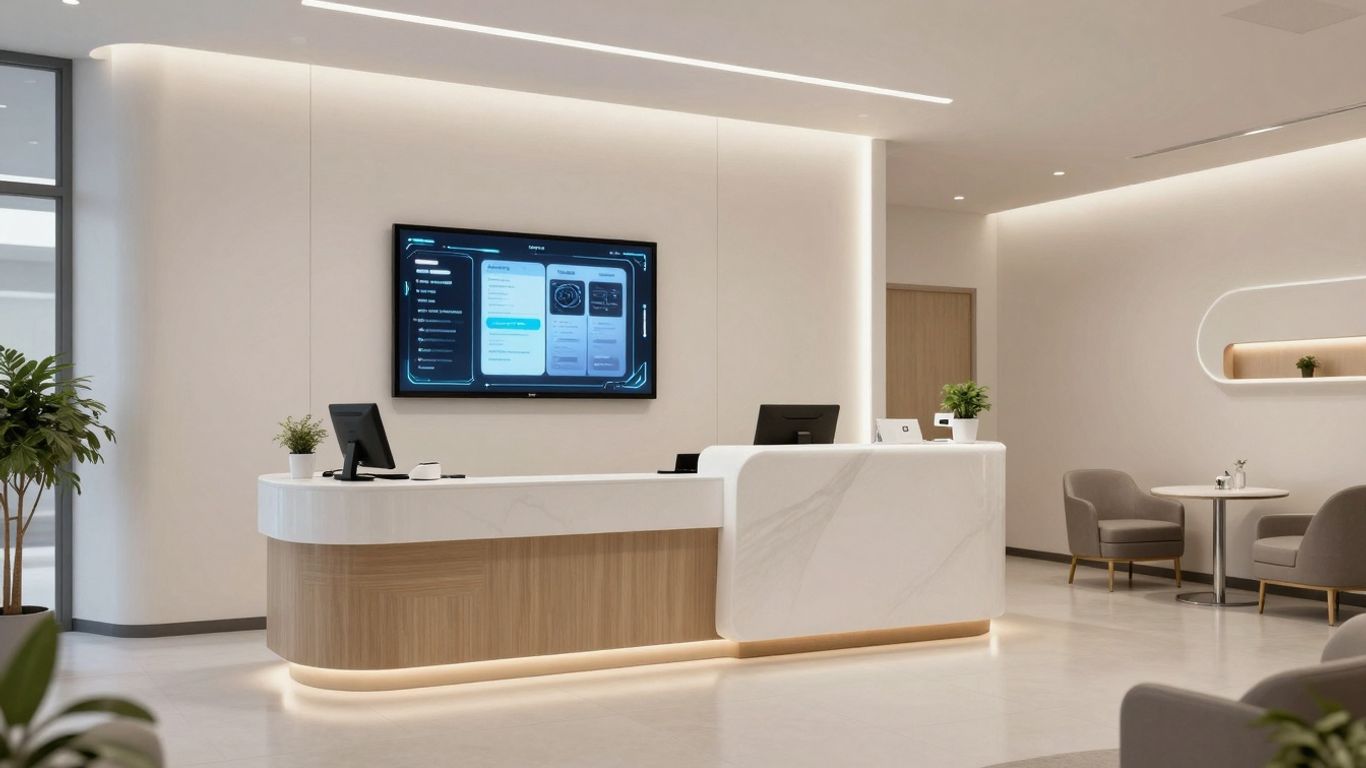
Think about the last time a potential patient called your office after hours. Did they get a generic voicemail, or worse, nothing at all? That's a missed opportunity. An AI receptionist doesn't sleep. It's there, ready to answer questions, book appointments, or route urgent calls, no matter the hour. This means your practice is always open for business, even when your doors are physically closed. It handles calls consistently, day in and day out, without needing breaks or getting tired. This constant availability is a simple but powerful way to capture more patients and keep existing ones engaged.
Running multiple dental offices can feel like juggling chainsaws. Each location has its own schedule, its own staff, and its own patient flow. Trying to manage this from a central point, or even just keeping track of it all, is a headache. An AI receptionist, however, can be programmed to understand the nuances of each location. It knows which dentist is available at which office, what the specific hours are for each, and how to route calls accordingly. This makes managing a multi-location practice feel less like chaos and more like a coordinated operation. It provides a unified front, ensuring patients get the right information and the right appointment, regardless of which office they're trying to reach.
This isn't just about picking up the phone. Modern AI receptionists are smart. They can understand what a patient is calling about – a routine cleaning, a dental emergency, a billing question – and direct the call to the right person or department. If a patient says, "My crown fell off," the AI knows this is urgent. It can check for emergency slots, book the patient, and even send a notification to the clinical team. It's like having a highly trained triage nurse at the front desk, but one that works around the clock and never gets overwhelmed. This intelligent routing means fewer dropped calls, less frustration for patients, and more efficient use of your staff's time.
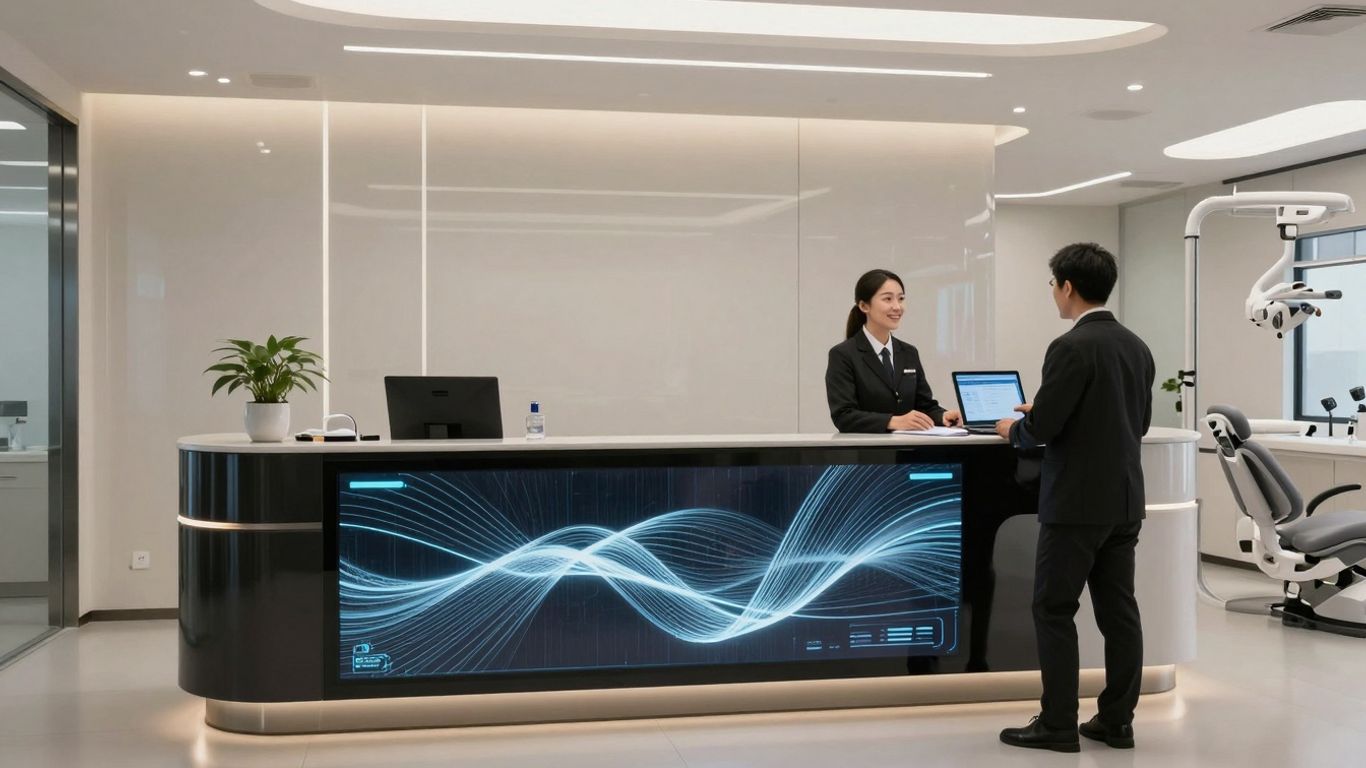
Most AI receptionists can handle simple tasks, like picking up the phone. But the ones that actually help your practice do much more. They understand dental talk, connect to your scheduling software, and can even figure out if a call is an emergency or just someone asking about fluoride treatments.
This is where things get interesting. Instead of just taking a message, the AI can actually look at your schedule and book appointments. It knows your availability, can offer open slots, and then confirm it with the patient. It also handles follow-ups, sending reminders automatically. This cuts down on no-shows and frees up your staff from making those repetitive calls.
Voicemails are a pain. You have to listen to them, write notes, and then try to figure out who needs what. The AI receptionist transcribes these voicemails into text. You can read them quickly, sort them, and even get alerts when a new one comes in. It’s like having a super-efficient assistant just for your messages.
This isn't about generic responses. The AI can be trained on your practice's specific information. It can greet patients by name, recall past interactions, and tailor its responses. Imagine an AI that knows Mrs. Smith is coming in for her six-month cleaning and can answer her specific questions about her insurance coverage. It makes patients feel heard, even when they're talking to a machine. This level of personalization, done consistently for every patient, is what separates a good AI from a great one.
Think of your practice management software, your calendar, your patient database – they're all separate islands. Zapier acts as the bridge, connecting these disparate systems so they can talk to each other. This isn't just about convenience; it's about creating a single, flowing organism out of what were once isolated functions. When your AI receptionist handles a new appointment request, Zapier can instantly update your calendar, add the patient to your CRM, and even trigger a follow-up email. It’s the digital equivalent of your practice’s nervous system, transmitting information instantly where it needs to go.
This constant, automatic flow of information means your data is always current. No more manual data entry, no more waiting for end-of-day reports. When a patient confirms an appointment via the AI, that confirmation is reflected in your system immediately. This real-time sync prevents double bookings, ensures your staff has the latest patient information, and makes your entire operation run smoother. It’s like having a co-pilot who’s always aware of the flight path.
Beyond just moving data, integrations can automate actions. For example, if the AI receptionist identifies a patient who hasn't been in for a while, Zapier can automatically create a task for your recall coordinator. Or, if a high-priority call comes in after hours, an automated notification can be sent directly to the on-call dentist. This proactive approach means opportunities aren't missed and urgent issues are addressed quickly, all without human intervention for the initial trigger.
Look, nobody wants to throw money away. Especially on something that's supposed to save you money. The trick with AI receptionists, like anything else, is to get the most bang for your buck without going overboard. It’s about smart deployment, not just blind automation.
This is your main lever for cost control. Think of it like setting a budget for your AI. You decide how many minutes it can actively engage with callers each day, week, or month. If you're just starting out, maybe you set a lower limit to test the waters. As you see how much it's helping, you can adjust it upwards. It’s about having a clear cap so you don’t get any surprise bills. You can also set up alerts so you know when you’re getting close to that limit. This way, you can decide if you need to bump it up or if it’s time to review your call volume.
Forget those old models where you pay per call or per minute and never quite know what your bill will be. The best AI receptionist services offer fixed pricing. You pay a set amount each month, and you know exactly what you’re getting. This makes budgeting a breeze. No more guessing games. It’s a straightforward cost that allows you to focus on the value the AI is bringing, not just the line item on your P&L.
This is where AI really shines over hiring more staff. As your practice grows, your AI receptionist grows with you. You don’t need to go through the hassle of hiring, training, and managing new receptionists. You just adjust your plan. Need more capacity? A quick upgrade. Things slow down? You can scale back. It’s flexible and means your operational costs don’t have to balloon just because you’re getting more patients. This adaptability is key to long-term financial health.
Think about the last time you called a business and got a slow, robotic response. Frustrating, right? That's what we've eliminated. Our AI receptionist is fast. Really fast. We measure its response time in milliseconds. That's quick enough to keep up with natural conversation. Conversation is a dance. A slow partner ruins the rhythm. A fast one keeps you on your toes.
Our AI doesn't just answer quickly. It thinks quickly. Ask it a complex question, and it doesn't miss a beat. It's like talking to the smartest person you know, but one who never needs to pause to think. This speed isn't just a neat trick. It's transformative. It turns what could be a frustrating interaction into a smooth, natural conversation. It's the difference between feeling like you're talking to a machine and feeling like you're talking to a hyper-competent human.
We're obsessed with speed. We have a full AI research team dedicated to pushing the boundaries of what's possible. They've made our system faster than anything else on the market. We're constantly tweaking, optimizing, shaving off tiny fractions of time. Because in conversation, every bit of responsiveness counts. This might seem like overkill. It's not. It's the future of communication. And it's here now, in our AI receptionist. Try it. Call it. Ask it anything. Then try to remember you're not talking to a human. That's the power of speed.
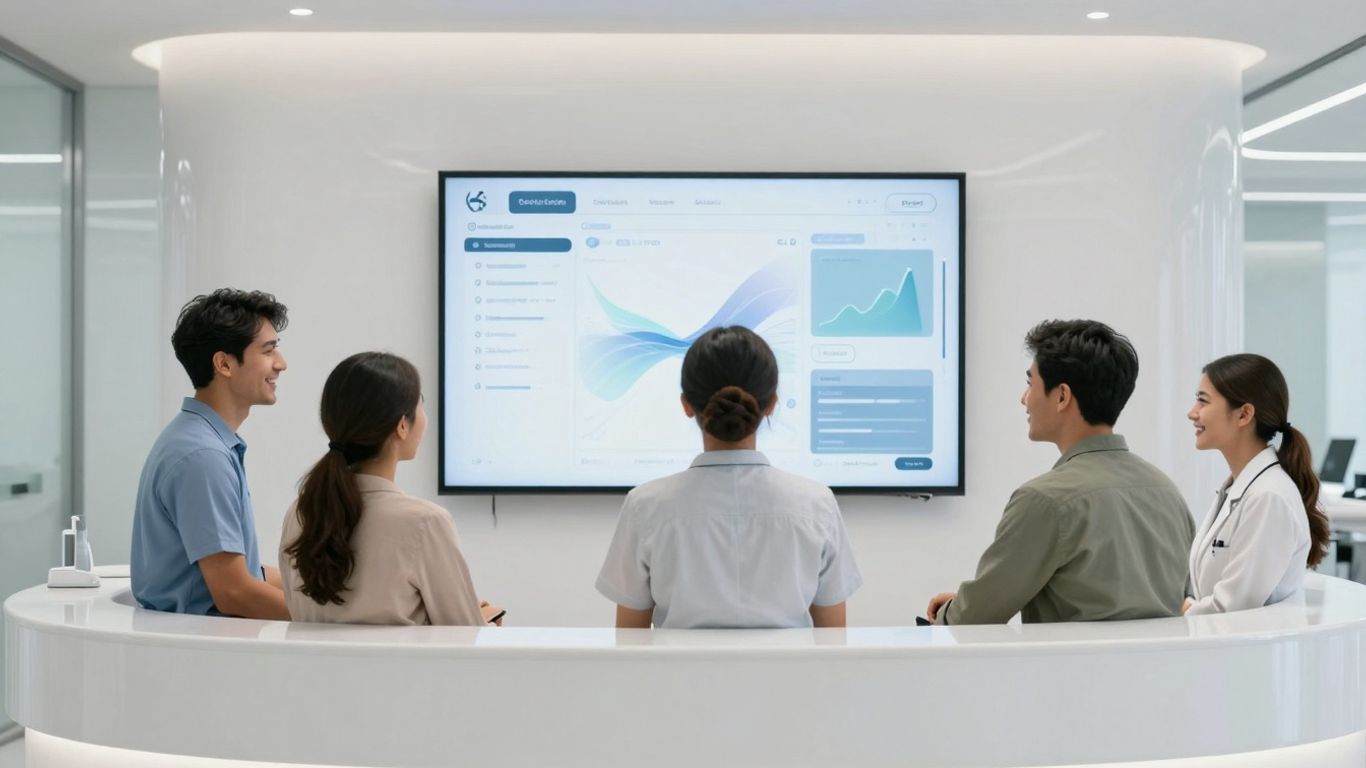
You're busy. Running a dental practice means juggling a lot. The AI receptionist handles the calls, but what happens with all that interaction data? It's not just noise; it's a goldmine. This is where data analysis turns busywork into smart growth.
Think about it. Every call, every appointment request, every follow-up has a story. The AI receptionist captures this automatically. It’s like having a tireless observer noting down everything that matters. We're talking about understanding patient behavior, spotting operational hiccups, and finding new ways to make money.
Are certain days or times consistently booked solid, while others are dead? The AI can track this. It sees patterns you might miss. This isn't just about filling slots; it's about optimizing your schedule for maximum patient flow and staff efficiency. Maybe Tuesdays are always slow for routine cleanings but pick up for consultations. Knowing this lets you adjust staffing or run targeted promotions.
While the AI can't feel patient satisfaction, it can track proxies. How quickly are inquiries handled? Are patients getting the information they need without long waits? Are appointment requests being fulfilled promptly? By analyzing call resolution times and appointment booking success rates, you get a read on how patients experience your practice. This data helps identify areas where the human touch might need reinforcement or where the AI is excelling.
Raw data is just numbers. The real power comes from turning it into clear, actionable reports. Imagine a weekly summary showing:
This kind of information lets you make concrete changes. You can see which marketing efforts are driving calls, where your staff might need more support, or if a particular service is seeing increased interest. It moves you from guessing to knowing. It's about using the AI not just as a receptionist, but as a business intelligence tool. You can even integrate this data with your existing systems using something like Zapier to create automated workflows based on these insights.
Want to make your practice better? Using data can show you where to improve. Discover how smart tools can help you understand your operations and make positive changes. Ready to see how data can transform your work? Visit our website to learn more about data-driven solutions.
Look, running a dental practice, especially with multiple locations, is tough. You're juggling patient care, staff, and a mountain of admin. For years, the front desk was a bottleneck, a constant source of missed calls and lost revenue. But that’s changing. AI receptionists aren't just a futuristic idea anymore; they’re here, and they work. They handle the calls, book the appointments, and keep things running smoothly, 24/7. This isn't about replacing people; it's about freeing them up to do what they do best. If you're still stuck in the old way, you're leaving money on the table and probably losing sleep. It’s time to get smart about your practice.
Think of it as a super-smart virtual helper for your dental offices. It's an artificial intelligence system that can answer phones, schedule appointments, and talk to patients 24/7, even when your human staff are off the clock. It's designed to handle calls for multiple dental locations at once, making sure no patient feels ignored.
It's like having one amazing receptionist who can magically be in all your offices at the same time! The AI can manage calls and appointments for all your locations, keeping everything organized and consistent, no matter where the patient calls from.
Yes, it can! It's programmed to understand common questions about services, hours, and directions. Plus, it can connect to your scheduling system to find available times and book appointments, all without a human needing to step in.
That's a great question! The goal is to make the AI sound as natural and helpful as possible. It's designed to respond quickly and clearly, so patients feel like they're getting efficient help. For routine tasks, many patients actually prefer the speed and convenience of talking to an AI.
The AI is smart enough to know its limits. If a question is too complex or a patient specifically asks to speak with someone, the AI can smoothly transfer the call to your human team or take a detailed message to ensure the patient gets the help they need.
It saves money in a few ways. First, it helps you capture more business by answering calls you might otherwise miss, turning potential lost revenue into appointments. Second, it cuts down on the need for extra staff to cover phones 24/7, and reduces costs related to human errors or overtime.
Start your free trial for My AI Front Desk today, it takes minutes to setup!


