
It seems like every day there's some new tech making waves, and voice AI is definitely one of them. SoundHound AI is one of those companies really pushing the boundaries, especially when it comes to healthcare. They're using their voice AI smarts to try and make things better for patients and doctors alike. It's pretty interesting to see how this technology can be applied in places like hospitals and doctor's offices, aiming to make everything run a bit smoother and safer.
SoundHound AI is making some serious inroads into healthcare, and it's not just about slapping a voice assistant onto a tablet. They're looking at how voice AI can actually change how things work, making them better and, frankly, a lot cleaner.
Think about it: a patient in a hospital bed. They need something – water, a nurse, maybe just to adjust the TV. Instead of fumbling for a call button or waiting for someone to walk by, they can just speak. SoundHound's tech can understand those requests, even if the patient's voice is weak or they're in pain. This isn't just about convenience; it's about making patients feel more in control and getting them help faster. It also means nurses aren't constantly interrupted for minor things, letting them focus on more critical tasks. It's a win-win.
This one's pretty obvious, especially after the last few years. Hospitals are germ factories. Anything that can reduce touchpoints is a good thing. SoundHound's voice AI allows for touchless interaction with equipment, information kiosks, and even room controls. Imagine a doctor needing to pull up patient records or adjust an IV pump without touching a screen that hundreds of others have used. It's a simple concept, but the impact on hygiene and infection control is huge. It’s about making the environment safer for everyone.
This is where it gets really interesting. SoundHound isn't just building standalone voice apps. They're putting their AI inside medical devices. This means things like diagnostic equipment, monitoring systems, or even surgical robots could have built-in voice control. A surgeon could, for example, ask a piece of equipment to perform a specific function during a procedure, hands-free. Or a technician could run diagnostics on a complex machine just by talking to it. This makes devices more intuitive and easier to operate, especially in high-pressure situations where every second counts.

Hospitals are complex ecosystems, and anything that can simplify operations while improving patient care is worth looking at. Voice AI is starting to do just that, moving beyond simple commands to become a real operational tool.
Hospitals can be confusing mazes. For patients and visitors, finding their way around can be stressful. Voice AI can help. Imagine walking into a large hospital and simply asking, "Where is the cardiology department?" A voice system could provide clear, spoken directions, or even guide you via an app. This isn't just about convenience; it's about reducing anxiety and ensuring people get to their appointments on time. For staff, voice-activated building access can speed up entry and exit, especially when hands are full. It’s a small change, but it adds up.
Operating complex medical equipment often requires precise, hands-on control. Think about an MRI or CT scanner. These machines have numerous settings, and fiddling with buttons can be distracting, especially during a procedure. Voice AI allows operators to control these devices hands-free. You could say, "Start scan," or "Adjust contrast," and the machine responds. This frees up technicians to focus on the patient and the diagnostic process itself. It also means that settings can be recalled or adjusted quickly, potentially speeding up diagnostic times. This hands-free operation is a game-changer for efficiency and safety in high-stakes environments. The technology can even be trained to recognize specific users, so it knows whose preferences to apply, like a personalized assistant for each doctor [5c2f].
Communication is the lifeblood of any hospital. Voice AI can simplify many communication tasks. In patient rooms, voice assistants can handle non-urgent requests, like asking for water or adjusting the room temperature, freeing up nurses for more critical duties. Patients can get information about their stay, order meals, or even control entertainment systems without needing to press buttons or call for help. This touchless interaction is also a significant benefit for hygiene. For staff, voice commands can be used to quickly log notes, update patient records, or even initiate calls to other departments, reducing the time spent on administrative tasks and allowing more time for direct patient care. The ability to integrate with existing hospital systems means these voice tools can become part of the daily workflow without massive disruption.
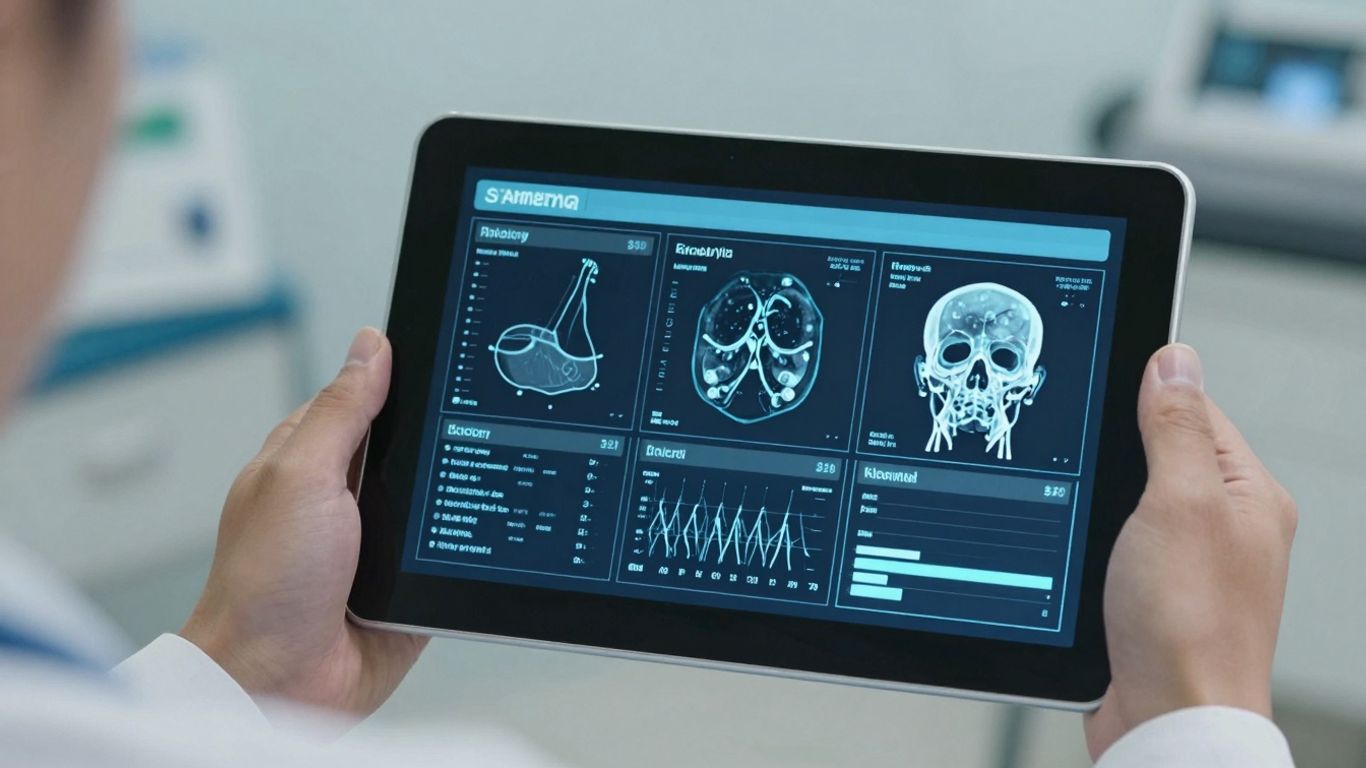
SoundHound AI's strength in healthcare isn't magic; it's built on some pretty solid tech. Think of it like this: they've spent years figuring out how to make computers understand what we say, even when we mumble or the background's noisy. That's the core of it.
This is where SoundHound really shines. They've developed systems that don't just hear words, but actually grasp what you mean. It's not just about recognizing "aspirin," it's about understanding that a patient asking "What's that little white pill for headaches?" needs that information. Their AI can handle complex sentences, follow conversations, and figure out context. This means doctors can talk naturally, without having to use specific, robotic phrases. It's like having a conversation, not issuing commands.
In a busy hospital, there's a lot of noise. SoundHound's tech can be trained to listen for specific "wake words" – like "Hey SoundHound" – and largely ignore everything else. This is huge for privacy and accuracy. Plus, they have filters that help the AI pick out the important sounds, like a doctor's voice, even if there's a monitor beeping or a cart rolling by. It makes the system reliable even in chaotic environments.
AI isn't static. SoundHound's platform is cloud-based, which means it can be updated remotely and continuously. As they learn more, or as new medical terms and procedures emerge, the AI gets smarter. This isn't a one-and-done installation; it's a system that evolves. This means healthcare providers always have access to the latest, most accurate AI without needing constant manual upgrades. It’s a system that gets better over time, just by being connected.
Healthcare faces a lot of issues, right? Doctors are swamped, patient care could be better, and keeping data private is a constant worry. SoundHound AI is stepping in to tackle these problems head-on.
Doctors spend way too much time typing notes. It takes away from actual patient interaction. SoundHound's voice AI can change that. Imagine a doctor talking naturally, and the AI transcribes it instantly. This isn't just about notes; it can also help with preliminary diagnosis suggestions. Think of it as a smart assistant that listens, understands, and organizes information, freeing up the doctor's hands and mind.
The goal here is to give clinicians back time. Time they can spend with patients, not staring at a screen.
Beyond just listening, AI can analyze patient data to suggest better care paths. SoundHound's technology can sift through medical histories, current symptoms, and even research papers to highlight potential treatment options or flag risks. This helps doctors make more informed decisions, leading to better patient outcomes. It's like having a super-powered research assistant for every doctor.
This is a big one in healthcare. Nobody wants patient information floating around unsecured. SoundHound AI is built with privacy in mind. By using customizable wake words and environmental filters, the system can focus on specific commands without capturing unnecessary data. Plus, the platform can be designed to keep data processing local or securely in the cloud, adhering to strict regulations like HIPAA. This focus on security builds trust, which is everything in healthcare.
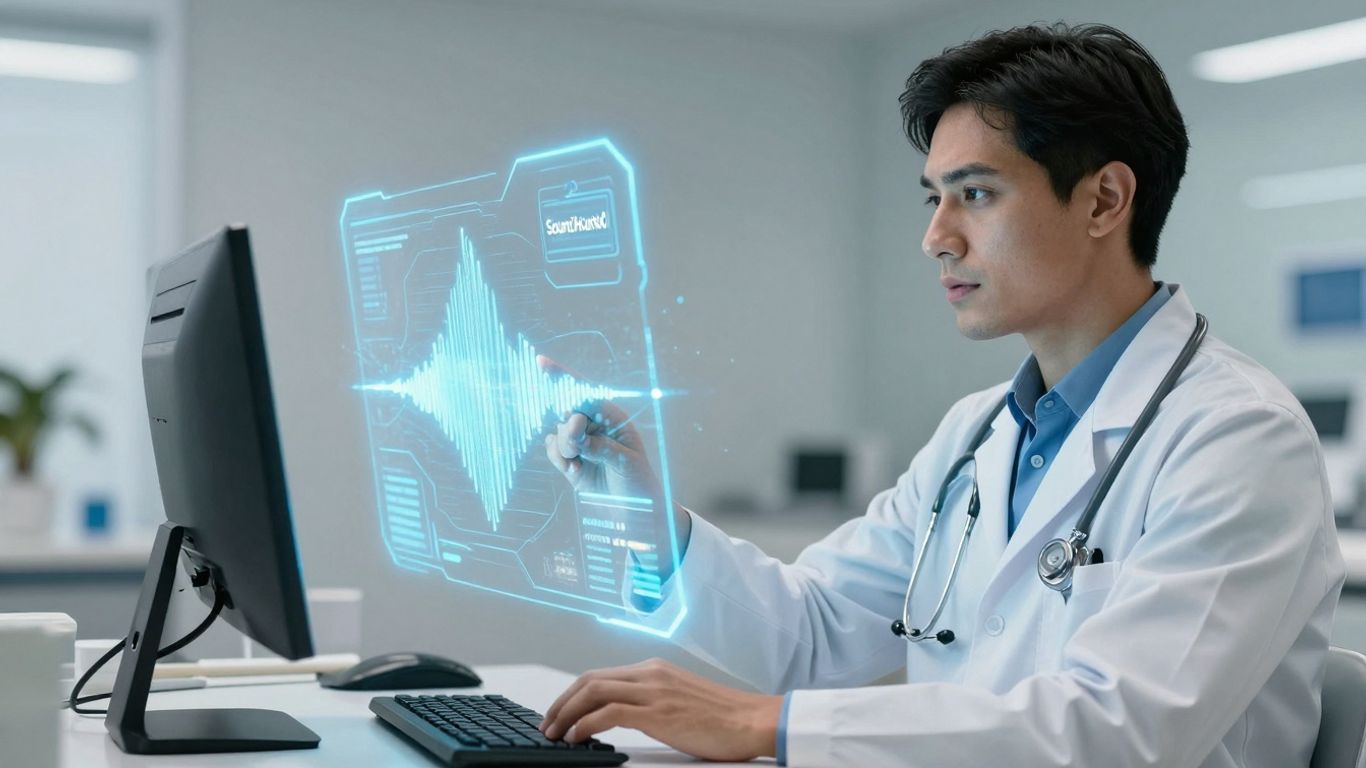
The market for voice AI in healthcare isn't just growing; it's exploding. Think about it. Every hospital, clinic, and doctor's office is drowning in data and administrative tasks. They need a way to cut through the noise, and voice AI is the tool.
SoundHound AI is positioning itself to be a major player in this shift. They're not just building a voice assistant; they're building intelligent agents that can understand context, see, and act. This multimodal approach is key. The future isn't just about talking to your devices; it's about devices that can interact with the world around them and understand complex situations. For healthcare, this means AI that can help with diagnostics, patient monitoring, and even administrative tasks, all through natural conversation.
The numbers are pretty staggering. Analysts are projecting massive expansion for voice AI across all sectors, and healthcare is a huge part of that. We're talking about a market that's set to grow by billions in the coming years. This isn't just about convenience; it's about efficiency and better patient outcomes.
This is where things get really interesting for device makers. Imagine a stethoscope that can automatically transcribe findings, or an MRI machine that can be controlled by voice commands, even in a noisy environment. SoundHound's technology, with its advanced noise cancellation and natural language understanding, makes this possible. They're offering a way for manufacturers to embed sophisticated voice capabilities directly into their hardware. This isn't just an add-on; it's a way to create smarter, more intuitive medical equipment.
We're moving beyond simple voice commands. The next wave of AI will be multimodal – combining voice, vision, and other inputs. For patient interaction, this means AI that can not only understand what a patient is saying but also interpret visual cues or data from other devices. Think about an AI that can monitor a patient's vital signs, listen to their symptoms, and even analyze their facial expressions to provide a more complete picture to a doctor. SoundHound's development in areas like Vision AI is a clear step in this direction. This fusion of senses is what will make AI truly indispensable in healthcare.
The healthcare industry is ripe for disruption, and voice AI is the catalyst. By reducing the burden on physicians, improving diagnostic accuracy, and streamlining patient interactions, SoundHound AI is not just participating in the market's growth; it's actively shaping its future. The move towards multimodal AI is particularly significant, promising a more integrated and intelligent approach to patient care.
The future of healthcare is getting smarter with AI voice technology. Imagine a world where doctors and patients can communicate more easily, and where tasks are handled automatically. SoundHound AI is leading the way in making this happen. Want to see how AI can help your business? Visit our website to learn more!
SoundHound AI is doing some pretty interesting things with voice tech. They're not just building another assistant; they're creating systems that can actually understand what people are saying, fast. This speed matters. It makes interactions feel natural, not like you're talking to a broken robot. They're also connecting their AI to all sorts of other tools, which makes it useful for businesses in ways that go beyond just answering phones. It’s early days, sure, but the way they’re thinking about making AI work in the real world, especially in places like hospitals where clear communication is key, seems smart. Keep an eye on them.
SoundHound AI uses voice technology to help doctors and nurses. It can help them write notes faster, find information quickly, and even help with diagnosing problems. This means they have more time to focus on taking care of patients, making sure everyone gets the best possible help.
Touchless solutions mean using voice commands instead of touching screens or buttons. This is super important in hospitals to keep things clean and prevent the spread of germs. SoundHound AI lets doctors and nurses control equipment or get information just by speaking, which is much safer for everyone.
Yes, it can! Imagine using your voice to find your way around a big hospital, or to check if a piece of medical equipment is working right. SoundHound AI can make these things happen, making it easier for staff and visitors to get around and ensuring machines are ready when needed.
Doctors often have a lot of paperwork. SoundHound AI can listen to them talk and automatically turn their words into written notes or patient records. This saves a huge amount of time that would otherwise be spent typing, letting doctors focus more on patient care and less on administrative tasks.
SoundHound AI understands that keeping patient information private is a top priority. They follow strict rules, like HIPAA, to make sure data is protected. The technology is designed to be secure, helping to build trust while using these advanced tools.
Multimodal AI means the AI can understand and use different types of information at the same time, like voice, sight, and text. Think of it like a person who can see something, hear you talk about it, and read about it all at once. This makes the AI much smarter and more helpful in complex situations, like understanding a patient's needs better by combining what they say with what the AI might 'see' on a medical device.
Start your free trial for My AI Front Desk today, it takes minutes to setup!


