
Running a clinic in 2025 means keeping up with technology, especially when it comes to patient communication and data security. You've probably heard about virtual receptionists, but are they really up to snuff with HIPAA rules? This guide is all about finding a hipaa-compliant virtual receptionist for clinics that actually works. We'll break down what you need to know, from the nitty-gritty of compliance to how these services can actually help your practice grow. Let's get your clinic secured and running smoother than ever.
Look, if you're running a clinic, patient data is your lifeblood. And it's also a massive liability if it's not handled right. HIPAA isn't some suggestion; it's the law. When you bring in any outside service that touches patient information, especially a virtual receptionist, you're entering a whole new ballgame of responsibility. This isn't about just being nice; it's about avoiding huge fines and keeping your patients' trust.
Before you even think about features or pricing, there's one document you absolutely need: a Business Associate Agreement, or BAA. This is a contract between your practice and the virtual receptionist vendor. It legally obligates the vendor to protect Protected Health Information (PHI) to the same standards your clinic must. If a vendor balks at signing a BAA, consider it a giant red flag. They're either not serious about compliance, or they don't understand it. Either way, you can't afford to work with them. It’s your official assurance that they're a partner in data protection, not just another vendor. You can find more details on what constitutes a BAA in this guide to HIPAA compliance for email.
Beyond the BAA, a compliant virtual receptionist needs specific security features built-in. These aren't optional extras; they're the bedrock of safe data handling.
When we talk about encryption, we mean it needs to be robust. This isn't just about a padlock icon in a web browser. For voice calls, data transmission, and storage, strong encryption protocols are a must. This scrambles the information, making it useless to anyone who intercepts it without the proper decryption key. Secure data storage means using facilities that meet strict physical and digital security standards, often with features like regular backups and disaster recovery plans. It’s about building layers of protection so that even if one fails, others are in place. A system designed with these principles in mind, like Marlie.ai, handles every interaction within a secure environment built to meet HIPAA's tough rules. Even recorded calls, which become PHI the moment they're made, need the same level of protection.
The core idea is that patient data must be protected at every single step, from the moment it's collected to the moment it's no longer needed. This requires a proactive approach to security, not a reactive one.

Think of your clinic's front desk not as a single person, but as a command center. We're moving from a slow, single-lane road to a multi-lane highway. A traditional receptionist, no matter how good, gets swamped. Calls pile up, patients wait, and things get missed. This isn't just inconvenient; it's bad for business and patient care.
AI receptionists take over the repetitive stuff. Things like answering basic questions, confirming appointments, or taking messages. This frees up your human staff. They can then focus on what matters most: direct patient care, handling complex issues, or managing the clinical flow. It's not about replacing people; it's about letting them do their best work.
Patients today expect instant responses, 24/7. An AI receptionist provides this. It handles calls, texts, and appointment requests across multiple channels without delay. This means no more missed after-hours calls or patients stuck on hold. It creates a consistent, professional experience, building trust and keeping patients engaged.
A patient calling at 10 PM about a non-urgent refill shouldn't go to a voicemail that sits unheard. An AI can securely verify their identity, log the request, and notify the on-call physician immediately.
This is where the real power lies. A good AI receptionist doesn't just take calls; it talks to your existing systems. It syncs appointment schedules directly with your Practice Management System (PMS) in real-time. This eliminates double-entry and ensures your schedule is always up-to-date. It's like giving your clinic a central nervous system, connecting communication to operations.
Let's cut to the chase: your clinic needs to make money. A virtual receptionist isn't just about answering phones; it's a tool to boost your bottom line. Think of it as a revenue-generating machine, not just an expense. The key is understanding how it directly impacts your income.
Missed calls mean missed opportunities. When your clinic is closed, potential patients might go elsewhere. A virtual receptionist, especially one with 24/7 capabilities, acts as your always-on front desk. They can book appointments, answer basic questions, and capture lead information. This means you're not losing business just because it's after 5 PM or a holiday. It's about making sure every potential patient interaction turns into a booked appointment. This service can help convert more leads and make more revenue [06b4].
No-shows are a silent killer of clinic revenue. A simple reminder call or text can make a huge difference. Virtual receptionists can automate this process, sending out appointment confirmations and reminders. This proactive approach significantly cuts down on patients forgetting their appointments. Imagine reclaiming the revenue lost from those empty slots. It's a direct financial gain from better patient management.
To really see the impact, you need to look at the numbers. Start by tracking your current call abandonment rate and the number of appointments booked outside of office hours. Then, measure the time your staff saves by offloading administrative tasks. Compare the cost of a virtual receptionist service to the salary, benefits, and overhead of a full-time employee. The savings are often substantial. Add in the revenue from captured appointments and reduced no-shows, and you've got a clear picture of the return on investment. It's not just about cost savings; it's about revenue generation and operational efficiency. You can even use tools to estimate savings and analyze profitability [28fe].
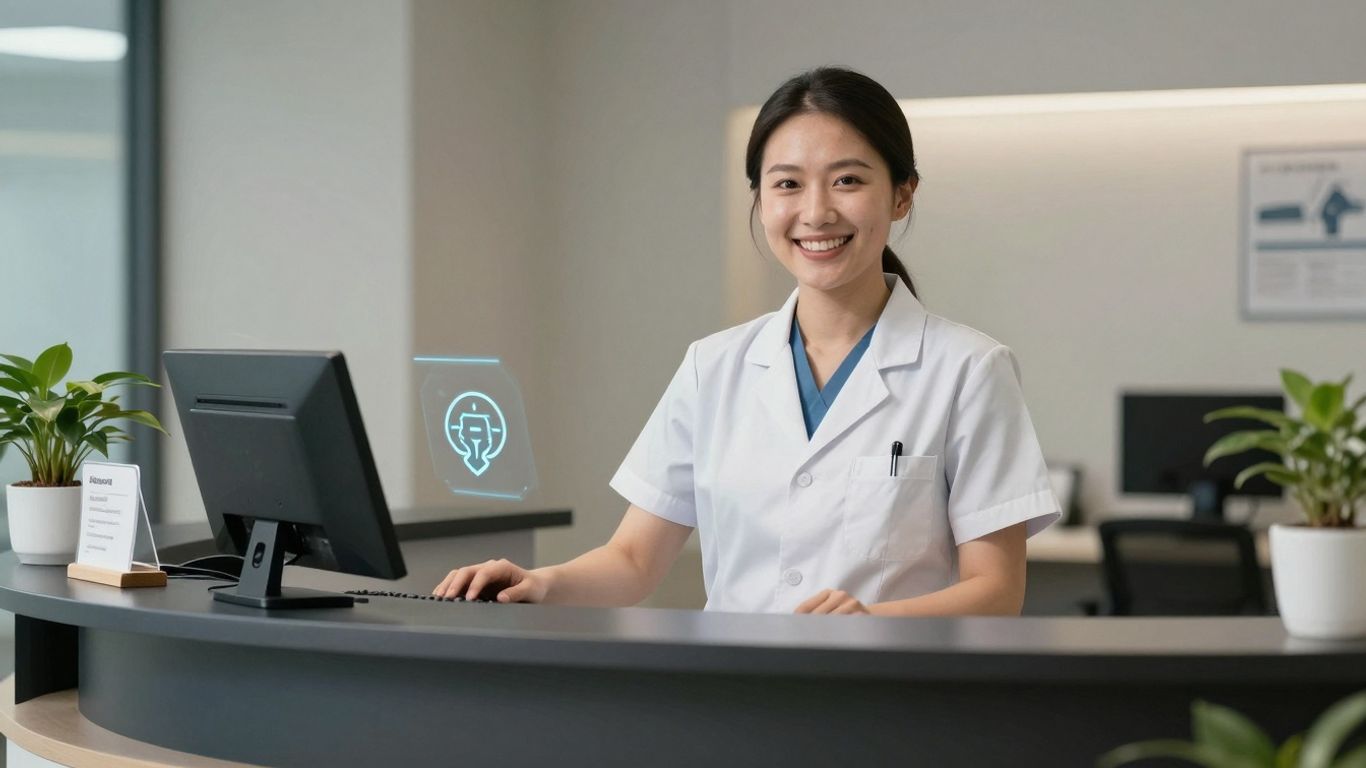
Think of your virtual receptionist not just as an answering machine, but as a smart gatekeeper. It needs to know who to send where, and fast. This means routing calls based on urgency or the nature of the inquiry. A patient with a critical question gets bumped to the front of the line, while a routine request might be handled by an automated response or scheduled for a later callback. This isn't about making patients wait; it's about making sure the right people get the right attention at the right time. It’s about efficiency, but more importantly, it’s about patient safety.
This is where the real magic happens. Instead of just taking messages, the AI can actually book appointments. It checks your calendar, finds an open slot that works for the patient, and confirms it. No more back-and-forth emails or phone tag. It can also handle rescheduling and cancellations, keeping your schedule clean and up-to-date automatically. This frees up your staff from the constant administrative churn of managing appointments. It’s like having a dedicated scheduler working 24/7, but without the salary and benefits.
Voicemails are a necessary evil, but they don't have to be a black hole for information. A HIPAA-compliant system will transcribe these voicemails into text. This means you can quickly scan messages without listening to every single one. More importantly, this transcription and storage must be secure. Access should be limited to authorized personnel, and the data itself needs to be protected. It’s about making information accessible to those who need it, while keeping it safe from those who don’t.

Picking a virtual receptionist isn't just about finding the cheapest option. It’s about finding a partner that fits your clinic's needs, especially when dealing with sensitive patient information. You need to look past the surface and dig into what really matters: security, how well it plays with your existing systems, and if it can grow with you.
First things first: HIPAA compliance. A vendor must be willing to sign a Business Associate Agreement (BAA). If they hesitate, walk away. It’s that simple. Beyond the BAA, check their security protocols. How do they handle data? Is it encrypted? Where is it stored? You need to be sure your patient data is protected.
Integration is the next big hurdle. Does the service connect with your current practice management software? If not, you’re creating more work, not less. Look for vendors who offer APIs or direct integrations. This means calls, appointments, and messages flow smoothly between systems without manual data entry. It’s the difference between a clunky add-on and a true extension of your team.
Here’s a quick checklist:
The goal is to find a system that feels like it was built for your clinic, not one you have to contort your practice around.
Even the best technology is useless if your staff can’t use it. Ask about their onboarding process. How do they train your team? Is it a quick video, or do they offer personalized sessions? You want a vendor who invests in making sure your staff is comfortable and proficient.
What happens when something goes wrong? Support is key. What are their support hours? How quickly do they respond to issues? A vendor that offers 24/7 support for critical issues is a big plus. You don’t want a technical glitch to leave your phone lines dead during peak hours.
Consider these points:
Your clinic isn’t static. You might add providers, expand services, or see seasonal spikes in patient volume. Your virtual receptionist solution needs to keep up. Can the vendor easily scale your service up or down as needed? This flexibility means you’re not paying for capacity you don’t use, nor are you stuck when demand surges.
Think about the future, too. Is the vendor actively developing their technology? Are they incorporating AI advancements? Choosing a vendor that’s forward-thinking means your investment is less likely to become obsolete in a few years. You want a partner who is innovating, not just maintaining the status quo.
Think about talking to someone. If they pause too long, you get antsy. You start wondering if they heard you, or if they're just not that interested. It's the same with AI. If it takes too long to answer, it feels clunky. It breaks the flow. Our AI receptionist is built to be fast. We're talking milliseconds fast. This means it can keep up with a real conversation. It doesn't make you wait. It's like talking to someone who's always paying attention, always ready with an answer. This speed isn't just a gimmick; it makes the whole interaction feel more natural, more human. It's the difference between a frustrating call and a helpful one.
It's not just about speed, though. It's about understanding. AI receptionists today can do more than just answer simple questions. They use something called Natural Language Processing, or NLP. This lets them understand what you're actually saying, even if you don't say it perfectly. They can figure out the intent behind your words. So, if you ask about a specific procedure, or need to reschedule an appointment that's months away, the AI can usually figure it out. It doesn't just look for keywords; it tries to grasp the meaning. This means fewer misunderstandings and more accurate responses, even for tricky requests.
This is where things get really interesting. Most businesses use a bunch of different tools – a calendar, a patient management system, maybe an email client. Zapier acts like a bridge between these tools. Our AI receptionist can connect to Zapier. What does that mean for you? It means when the AI handles a call, it can automatically do things in your other systems. For example, if it books an appointment, it can add it directly to your practice management software. Or if it gets a new lead, it can create a contact in your CRM. This automation saves a ton of time. It stops you from having to manually enter the same information multiple times. It keeps everything in sync. It's like having a super-efficient assistant who manages all the little data tasks behind the scenes, so you and your staff can focus on patients.
AI receptionists are super fast and smart, handling calls and questions instantly. They work around the clock, so you never miss a potential customer. Imagine having a helpful assistant available 24/7, ready to answer questions and even book appointments for you. This technology makes businesses run smoother and helps them grow by making sure every lead is handled quickly and efficiently. Want to see how this amazing tech can help your business? Visit our website to learn more and get started!
Look, keeping up with patient calls and data security is tough. You're probably already stretched thin. But ignoring how technology can help is just asking for trouble. A good virtual receptionist, one that actually gets HIPAA, isn't some fancy add-on anymore. It's what separates practices that are just getting by from ones that are actually growing. It handles the noise so you can focus on the real work. If you're still stuck in the old ways, you're not just missing calls; you're missing out on a better, more secure way to run your clinic. It’s time to make the switch.
Think of a virtual receptionist like a helpful assistant who works remotely, answering your clinic's calls and managing appointments. When we say 'HIPAA-compliant,' it means this assistant follows strict rules to keep patient information super private and safe, just like your clinic has to. They use special technology to make sure no one can peek at sensitive health details.
It's super important because your clinic handles private health information (PHI). If a regular virtual receptionist isn't set up to protect this info, it could lead to big fines and a loss of trust with your patients. A HIPAA-compliant one has built-in safety features to prevent this, keeping your practice out of trouble and your patients' data secure.
Hiring a full-time receptionist costs a lot, including salary, benefits, and office space. A virtual receptionist is usually much cheaper. Plus, they can help you get more appointments booked, especially after hours, and reduce missed appointments with reminders, which all adds up to more money for your clinic.
Yes! Modern AI receptionists are really smart. They can understand what people are saying, even if it's a bit complicated. They can schedule appointments, answer common questions, and even know when to pass a call to a human if needed. They're designed to have natural conversations, not sound like robots.
A BAA is a special contract between your clinic and the virtual receptionist company. It's a promise that they will handle patient information according to HIPAA rules, just like you do. If a company won't sign a BAA, it's a huge red flag, and you shouldn't work with them because it means they aren't serious about protecting patient data.
Good virtual receptionist services can connect with your clinic's existing software, like your appointment scheduling system (often called a Practice Management System or PMS). This means when a patient books an appointment with the virtual receptionist, it automatically shows up in your own system, saving your staff from having to enter it all over again. It makes everything run much smoother.
Start your free trial for My AI Front Desk today, it takes minutes to setup!


