
You know how sometimes you call the doctor's office and get stuck on hold forever? Or maybe you need to ask a quick question after hours and just get voicemail? It's a common frustration. Well, there's a new player in town that's changing all that. We're talking about the ai voice assistant healthcare hotline, and it's making a big difference in how we get our medical care.

We're all familiar with the endless hold music and the frustrating "please listen carefully as our menu options have recently changed" loops. It’s a common experience, and frankly, it’s a barrier. The healthcare system, already strained, often struggles to connect patients with the information and care they need in a timely manner. This isn't about blame; it's about recognizing a system that's been stretched thin. Now, imagine a different scenario. A patient calls, not into a chaotic call center, but to an AI voice assistant. This isn't your grandpa's automated menu. This is sophisticated tech that understands natural language, accesses patient records, and handles requests with speed and accuracy. It’s a quiet revolution happening in the background, one that promises to make healthcare more accessible and efficient for everyone.
Think about the people who struggle to get timely care. It could be someone in a rural area with limited local providers, an elderly patient who finds navigating complex phone systems difficult, or someone working multiple jobs who can only call during specific, often busy, hours. The traditional hotline often fails them. An AI voice assistant, however, doesn't have office hours. It's available 24/7, multilingual, and can handle a volume of calls that would overwhelm any human team. This means a patient can get an appointment scheduled, a question answered about medication, or a reminder for a follow-up, regardless of the time of day or their personal circumstances. It’s about making sure that access isn't a privilege, but a standard.
AI in communication isn't new, but it's changed dramatically. Early systems were clunky, frustrating, and limited. They could barely understand a simple request. Today's AI, however, is different. It uses advanced natural language processing to understand context, intent, and even nuance. It can learn from interactions, personalize responses, and perform multi-step tasks. This evolution means AI can now handle a much wider range of patient needs, moving beyond simple FAQs to actual service provision like scheduling or initial symptom assessment. It’s a shift from basic automation to intelligent assistance, making patient interactions smoother and more effective.
This technology isn't just about answering phones; it's about fundamentally changing how patients interact with the healthcare system. Instead of waiting on hold, patients can speak naturally and get immediate assistance. This immediate engagement can lead to better adherence to treatment plans, fewer missed appointments, and a generally more positive patient experience. When patients feel heard and can access care easily, they are more likely to be proactive about their health. It transforms a often-stressful process into something more manageable, fostering a stronger connection between the patient and their care providers.
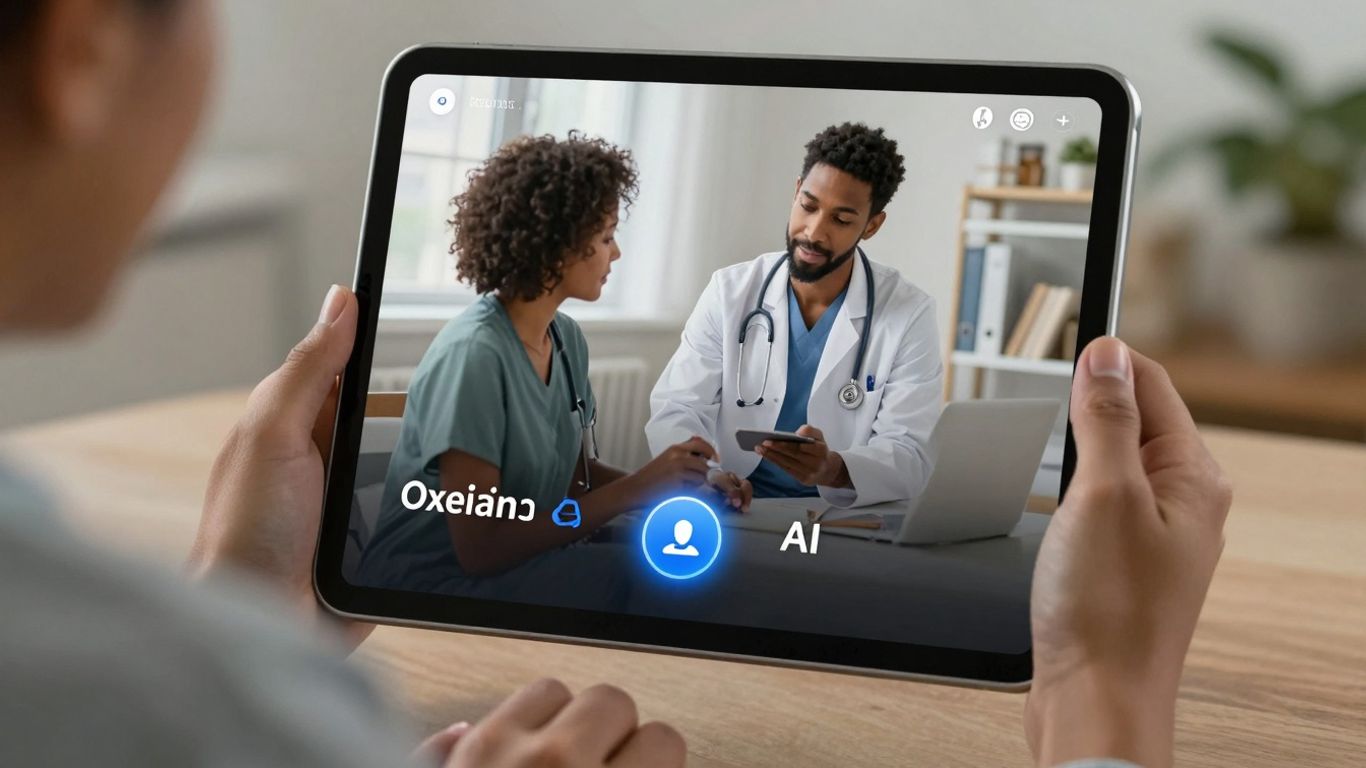
The constant ringing of the front desk phone. It’s the soundtrack to healthcare, isn't it? Each ring means someone needs to book an appointment, has a question about their bill, or needs a prescription refilled. Meanwhile, the staff is swamped with check-ins, paperwork, and trying to keep patients calm. This isn't just annoying; it's a major roadblock that stops practices from growing, wears out good people, and directly affects how well patients are cared for.
For a long time, this was just how things were done. But what if you could answer every call instantly, any time of day, without hiring anyone new? What if you could drastically cut down on missed appointments, make patient intake smoother, and let your actual medical staff focus on what they do best – taking care of people? This isn't some far-off dream; it's happening right now for many healthcare places.
Long waits on the phone are a common complaint. People call for simple things, like checking if a test result is ready, and end up on hold for ten minutes. An AI voice assistant can answer immediately. It doesn't get tired, doesn't have a lunch break, and can handle thousands of calls at once. This means patients get information faster, feel heard, and have a better overall experience with the practice. Think about it: instead of waiting, a patient gets an instant update on their MRI results. That’s a small thing, but it makes a big difference.
Healthcare doesn't stop when the office closes. People have questions and need to book appointments late at night or on weekends. An AI voice assistant is always available. A parent can call at midnight to schedule a pediatrician visit, and the AI can handle it right then and there. This constant availability means patients can get help when they need it, not just during business hours. It also means fewer missed opportunities for the practice.
So much of healthcare communication is the same thing over and over: appointment reminders, follow-up calls, checking on medication refills. An AI voice assistant can take all of that off the staff's plate. It can send out reminders for physiotherapy sessions, including any instructions patients need. It can check in with patients after surgery or manage simple insurance questions. This frees up human staff to handle more complex, sensitive issues that truly require a human touch. It’s about making the system work smarter, not just harder.
This isn't your grandma's answering machine. The AI voice assistant healthcare hotline handles voicemails with a smart approach. It knows when to offer voicemail options, and crucially, it transcribes those messages into text. This means no more listening to fuzzy recordings. You get a clear, written record that's easy to read and manage. Messages are organized, so you can find what you need quickly. Plus, you get alerts when new messages come in. It’s about making sure you don't miss anything important, even when you're swamped.
Forget busy signals. This system handles all the calls, all at once. Think of it like giving your practice an infinite number of phone lines. Whether it's a sudden surge during flu season or a planned outreach campaign, the AI doesn't break a sweat. It maintains consistent quality and speed, no matter the volume. This means patients always get through, and your practice stays accessible, even during peak times. It's scalability without the usual growing pains.
Conversation is a rhythm, and a slow response kills it. This AI assistant responds in milliseconds. That's fast enough to keep up with natural speech, making interactions feel smooth and human. No more frustrating pauses or robotic delays. It understands complex questions and answers them without missing a beat. This speed isn't just a neat trick; it transforms a potentially annoying call into a helpful, efficient exchange. It's the difference between talking to a machine and talking to someone who's incredibly sharp and always ready.
The real advantage here is how this speed impacts the patient experience. When a patient can get information or book an appointment quickly, without feeling like they're bothering someone or stuck in a loop, their overall satisfaction goes up. It makes the healthcare system feel more responsive and less like a bureaucratic hurdle.
Here's what this means in practice:
So, you've got this AI voice assistant thing. Now what? How does it actually fit into your day-to-day? It's not just about plugging it in and hoping for the best. You need to think about how it talks to the stuff you already use. This is where things get interesting, and honestly, pretty powerful.
Look, most of us are drowning in apps. Your clinic probably uses a bunch, right? Scheduling software, patient databases, maybe some project management tools. Zapier is like the universal translator for all of them. It connects your AI voice assistant to over 9,000 other apps. Think about it: a call ends, and automatically, a new contact is added to your CRM. Or a patient leaves a message, and a task pops up in your team's project board. It's not just about saving a few clicks; it's about making your whole system work together without you having to manually move data around. This means less data entry, fewer mistakes, and everything staying in sync. It’s like your business suddenly got a lot smarter and way more organized, all without you needing to become a coding wizard. You can find services like AI Front Desk that offer these capabilities.
This is where the AI really starts to feel like a team member. Imagine a doctor is talking to a patient, and the AI is listening. It can automatically update patient records in your Electronic Health Record (EHR) system. So, if the doctor says, "Diagnosed with bronchitis, prescribe azithromycin for five days," the AI can log that diagnosis, record the prescription, and even set a reminder for a follow-up. All of this happens without anyone needing to type a single word. It frees up clinicians to focus on the patient, not on administrative busywork. This isn't just about convenience; it's about improving the accuracy of records and reducing the burden on your staff. It makes the whole process of documentation feel less like a chore and more like a natural part of the conversation.
What does all this integration mean for the person calling in? It means a smoother experience. They call, the AI understands their need – whether it's booking an appointment, asking a question, or getting a reminder. Because the AI is connected to your systems, it can act instantly. It's not just taking a message; it's doing something. An appointment gets booked directly into the calendar. A reminder is sent out automatically. A question gets answered with information pulled from your knowledge base. This creates a patient journey that feels effortless from their perspective. They don't get bounced around or have to repeat themselves. They get what they need, when they need it, without the usual friction. It’s about making healthcare access feel less like a hassle and more like a service that’s always there for them.
Let's face it, the folks working in healthcare are often stretched thin. Between seeing patients, charting, dealing with insurance, and just keeping the whole operation running, there's hardly a moment to breathe. This constant pressure leads to burnout, which is a serious problem. It's not just about feeling tired; it's about making mistakes, losing good people, and ultimately, affecting patient care. The phone ringing off the hook is a constant reminder of all the tasks that pull staff away from what they're trained to do.
This is where the AI voice assistant really shines. Think about all those routine calls – appointment confirmations, simple questions about hours, prescription refill requests. An AI can handle a massive chunk of these without breaking a sweat. This frees up your human staff to focus on more complex patient needs, handle tricky administrative tasks that actually require a person, or just take a much-needed break. When people aren't bogged down by repetitive phone duty, they're happier, more engaged, and less likely to leave. It's a simple equation: less busywork equals less burnout and a more positive workplace.
Missed appointments and last-minute cancellations are a real drain on a practice's finances. The AI assistant can significantly cut down on no-shows by automating appointment reminders and even helping to fill last-minute openings. Imagine a system that can automatically offer a canceled slot to the next person on a waiting list. This means your providers' schedules stay full, leading to more consistent patient flow and maximizing the revenue potential of every hour. It's about making sure that valuable provider time isn't wasted sitting empty.
Doctors, nurses, and other highly trained medical professionals are expensive resources. Their time is best spent on direct patient care, diagnosis, and treatment. When they're pulled away to answer basic administrative questions or schedule appointments, it's a misuse of their skills. An AI voice assistant acts as a buffer, handling these lower-level tasks. This allows your clinical team to dedicate their full attention to patients, leading to better care, more thorough assessments, and a more efficient use of your most valuable human capital. It's not about replacing people; it's about letting them do the jobs they were trained for.

Healthcare shouldn't be a language lottery. For too long, people who don't speak English fluently have faced extra hurdles just to get basic care. An AI voice assistant hotline changes that. It can talk to patients in dozens of languages, not just the ones your staff happen to know. This means someone can call up, explain their symptoms, book an appointment, or ask about medication in their native tongue. It’s about making sure everyone, regardless of their background, can access the help they need without feeling lost or misunderstood. Think about it: a patient who speaks Spanish can get clear instructions on how to prepare for a procedure, or a recent immigrant can ask about insurance coverage without needing a translator on standby. This isn't just convenient; it's about basic fairness.
Not everyone is comfortable with apps or websites. Some folks, especially older patients or those with physical limitations, find talking on the phone much easier. Trying to navigate a complex online portal can be a real pain. An AI voice assistant hotline offers a simple, direct way to connect. They can book appointments, get reminders, or ask follow-up questions just by speaking. This means people who might otherwise fall through the cracks because of technology barriers can still get the care they require. It's about meeting people where they are, using the communication method that works best for them. We're talking about making healthcare accessible to everyone, not just the tech-savvy.
There are gaps in healthcare access, plain and simple. Rural areas might have fewer specialists, and busy urban clinics can be overwhelmed. An AI voice assistant hotline can help bridge these divides. It can provide 24/7 support, answer common questions, and triage issues, freeing up human staff for more complex cases. For instance, someone in a remote area can get immediate advice on whether their symptoms warrant a long trip to a clinic or if they can manage at home. This kind of immediate, accessible information can prevent minor issues from becoming major emergencies. It's a way to extend the reach of healthcare services, making sure that timely advice and support are available when and where they're needed most, not just during business hours or within a certain geographic radius.
Imagine a future where getting health advice is as easy as asking a friend. Our AI voice assistant is making that happen, helping everyone get the care they need, no matter who they are. It's all about making health support fair and simple for all. Want to see how this amazing technology works? Visit our website to learn more about how we're changing healthcare with smart tools.
So, what does all this mean? It means the days of endless hold music and unanswered calls are fading fast. AI voice assistants aren't just a fancy gadget; they're becoming the backbone of patient communication. They handle the routine stuff so human staff can focus on what truly matters – patient care. This isn't about replacing people, it's about making everyone's job easier and patient experiences better. If you're in healthcare, ignoring this shift is like ignoring a cure. It's time to get on board.
An AI voice assistant healthcare hotline is like a super-smart robot helper for doctors' offices and hospitals. Instead of a person answering the phone, this AI can understand what you're saying when you call. It can help you book appointments, answer common questions about your health or the clinic, and even remind you about upcoming visits. It's available all day and all night, so you can get help whenever you need it.
Imagine calling a doctor's office and getting put on hold for a long time. This AI assistant is different! It can handle many calls at the same time, instantly. So, instead of waiting, you get your questions answered or your appointment booked much faster. It's like having a whole team of receptionists working all at once, but it's just one smart AI.
Yes, it can help with many common medical questions, like what to do to prepare for a test or what the clinic's visiting hours are. It has access to a lot of information to give you quick answers. However, for serious health concerns or complex medical advice, it will always connect you with a real doctor or nurse.
Absolutely! That's one of the best parts. Unlike human staff who need breaks and sleep, the AI voice assistant is always on. You can call it late at night, early in the morning, or on a weekend, and it will be there to help you schedule appointments or answer your questions.
Many AI voice assistants are programmed to understand and speak multiple languages. This is super helpful for making sure everyone, no matter what language they speak, can get the healthcare information and help they need without any confusion.
This AI assistant takes care of all the routine phone calls and simple tasks, like booking appointments or sending reminders. This frees up doctors and nurses to spend more time actually taking care of patients, dealing with more serious health issues, and doing the important work that only humans can do. It helps reduce their stress and makes their jobs easier.
Start your free trial for My AI Front Desk today, it takes minutes to setup!


