
It feels like everywhere you look these days, AI is popping up, and healthcare is no exception. One area seeing some real change is how patients first connect with medical services. Instead of waiting on hold or filling out endless forms, imagine just talking. That's where voice AI triage platforms in healthcare are stepping in, making things simpler and faster for everyone involved. This technology is changing how we handle initial patient contact, making it more efficient and easier to access.
Getting patients through the door and their information captured used to be a whole production. Think clipboards, waiting rooms, and staff drowning in paperwork. Voice AI changes that. It's like having a super-efficient front desk that never sleeps.
Forget rigid menus or typing out symptoms. Patients can just talk. The AI listens, understands what they're saying, and asks questions that make sense based on their answers. It's a conversation, not an interrogation. This means patients feel heard, and the AI gets a clearer picture of what's going on. This natural interaction is key to getting accurate information right from the start.
Based on the initial conversation, the AI doesn't just stop. It asks smart follow-up questions. If someone mentions a headache, it might ask about duration, intensity, or other symptoms. This digging deeper helps paint a more complete picture, much like a human asking clarifying questions. It's about getting beyond the surface level to understand the real situation.
Once the AI has gathered the information, it uses built-in clinical rules to figure out what happens next. Is this something that needs immediate attention in the ER? Can it wait for a routine appointment? Or maybe a telehealth visit is best? The AI sorts through these options, directing patients to the right place without delay. This triage process ensures patients get the care they need, when they need it, and helps the clinic manage its resources better.

Lots of folks, especially older folks or those who aren't exactly glued to their smartphones, find navigating complex healthcare systems a real pain. Think about trying to book an appointment through a clunky app when you're not comfortable with that sort of thing. It's frustrating. Voice AI changes that. It lets people use their voice, like they're just talking to someone, to get what they need done. This means fewer people get left behind. It's about making sure everyone, no matter their tech skills, can get the care they need without a struggle. This is a big step towards making healthcare more inclusive.
It's not just about understanding words. People communicate a lot through how they say things – their tone, their speed, even pauses. A text message or a simple form can't pick that up. But a good voice AI can. It can notice if someone sounds anxious, or rushed, or if they're struggling to explain something. This extra bit of information helps the system understand the situation better, maybe even flagging something that needs a human to look at right away. It adds a layer of empathy that's hard to get otherwise.
When you think about it, getting to a doctor can be tough. Maybe you live far away, or you can't take time off work easily, or you just don't have a car. Voice AI triage platforms can help cut through a lot of that. They offer a way to get initial advice and direction without needing to physically go anywhere or even use a computer. You can just pick up the phone. This makes it much easier for people in rural areas, or those with mobility issues, to get their health concerns addressed quickly. It's about making sure that where you live or how you get around doesn't stop you from getting help. You can find out more about how these systems work by looking at AI front desk solutions.

Think about the sheer volume of calls and administrative tasks that flood a healthcare facility daily. It's a constant stream. Voice AI triage platforms can significantly cut through this noise. They act as an intelligent filter, ensuring that patient needs are directed to the right place, the first time. This isn't just about speed; it's about precision. By understanding the patient's reported symptoms and urgency through natural conversation, the AI can bypass unnecessary steps, freeing up valuable human resources.
Front-line staff often get bogged down with repetitive questions and basic scheduling. AI can handle a lot of this. Imagine nurses and doctors spending less time on the phone confirming appointments or answering FAQs, and more time actually caring for patients. This automation means fewer errors from fatigue or overload, and a more efficient workflow overall. It's about giving your team back their time to focus on what truly matters – patient care.
Not every cough needs an ER visit. AI algorithms, trained on clinical data, can assess the severity of a patient's condition based on their description. This allows the system to route patients appropriately:
This smart distribution prevents overcrowding in emergency rooms and ensures that patients receive the right level of attention without delay.
Some patients present with symptoms that, while perhaps not immediately life-threatening, indicate a higher risk of complications or a need for prompt intervention. The AI can be programmed to recognize these subtle cues. For instance, a patient describing certain combinations of symptoms might be flagged for a specialist consultation sooner rather than later. This proactive identification helps in managing chronic conditions more effectively and potentially preventing serious health events before they occur. It's like having an extra set of eyes, constantly scanning for those who need a little extra help, right away.
The real win here is shifting resources. Instead of everyone being a potential bottleneck, the AI creates clear pathways. This means the most skilled professionals are dealing with the most complex cases, and simpler issues are handled efficiently, often without human intervention. It's a smarter way to run a clinic.
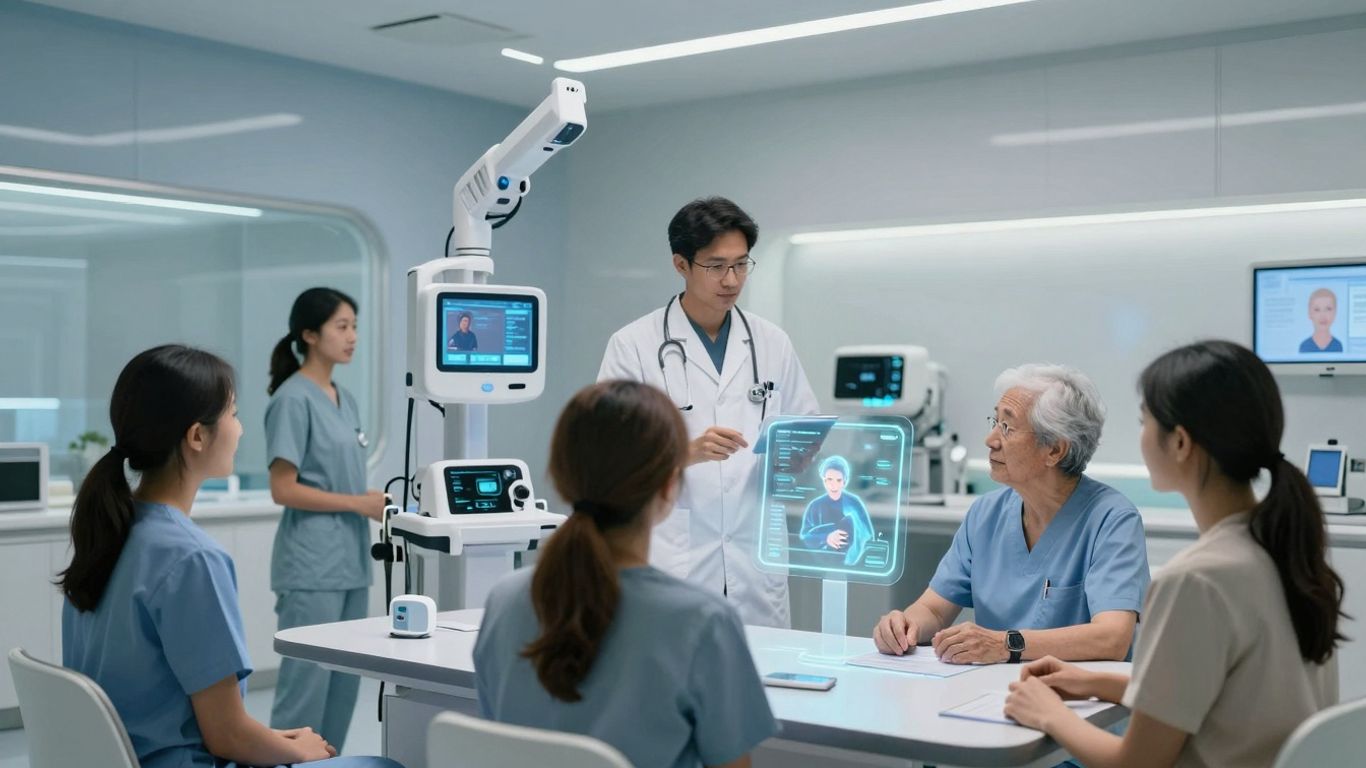
Getting new tech to play nice with what you already have is often the hardest part. Voice AI triage platforms are no different. The real magic happens when they connect to your existing systems, not when they sit in a corner by themselves.
Your Electronic Health Record (EHR) system is the brain of your practice. It holds all the patient history, appointments, and notes. For a voice AI triage system to be truly useful, it needs to talk to your EHR. This means when a patient calls, the AI can pull up their record. It knows who they are and can access relevant history. After the conversation, the AI can update the EHR with notes from the call, like a new symptom reported or a follow-up appointment scheduled. This stops information from getting lost and makes sure everyone is on the same page. It's not always simple, as different EHRs can be tricky to connect with, but it's worth the effort.
Think about all the time your staff spends typing information into different systems. It's a lot. When the voice AI connects to your EHR and other tools, it can automate a lot of this. Instead of typing, the AI sends the data directly. This means fewer mistakes and more time for your staff to focus on actual patient care. It also means workflows can run more smoothly. For example, if the AI identifies a patient needs a specialist referral, it can automatically create that request in the system, kicking off the next steps without anyone needing to manually intervene.
What if you need to connect the AI to something other than your EHR? Maybe your scheduling software, a billing system, or even a project management tool? That's where tools like Zapier come in. Zapier acts like a bridge between different apps. You can set up automated tasks, called 'Zaps.' For instance, when the AI finishes a triage call, a Zap could automatically create a follow-up task in your team's task manager. This opens up a huge number of possibilities, connecting your AI to over 9,000 different applications. It turns the AI from a single tool into a central part of your entire digital operation, making everything work together better.
Think about building software. Usually, it means hiring coders, explaining your needs, waiting, and hoping they got it right. It’s slow and expensive. But what if you didn't need any of that? What if you could build a smart triage system yourself, just by drawing boxes and connecting lines?
That’s the idea behind no-code AI platforms. They let people who actually understand healthcare – doctors, nurses, clinic managers – build the tools they need. No coding degree required. You know your patients and your clinic’s workflow better than any programmer ever will. This way, the tool fits your practice, not the other way around.
This is a big deal. Before, if you wanted something like a voice AI triage system, you were stuck. Either you bought a one-size-fits-all product that didn't quite work, or you paid a fortune for custom development. Now, you can build it yourself. It’s like going from having to buy a pre-made suit that never fits quite right, to being able to tailor one perfectly to your measurements.
Getting the AI to talk like a human is key. It shouldn't sound like a robot reading a script. With no-code tools, you can map out conversations. You decide how the AI greets the patient, what it asks based on their answers, and how it wraps things up.
Imagine a patient calls with a cough. The AI might ask:
It’s about making the interaction feel natural, not like an interrogation. You can build these paths visually, seeing how the conversation flows from one step to the next.
This is where the real power lies. You can build decision trees that reflect your clinic's specific protocols. If a patient reports certain symptoms, the AI can follow a pre-defined path to assess urgency and suggest the right next step – whether that's booking an appointment, advising home care, or directing them to the emergency room.
The goal is to make the AI act like a knowledgeable first point of contact, filtering and guiding patients based on established medical guidelines. This frees up your staff to handle more complex cases and reduces the chance of errors from rushed assessments.
This approach means the AI isn't just a fancy answering machine; it's an active participant in patient care, guided by your own clinical expertise.
Voice AI triage is already making a difference in everyday doctor's offices. Think about it: instead of a receptionist juggling appointments, insurance questions, and initial symptom checks, an AI can handle the first part. It asks the patient how they're feeling, what's bothering them, and based on that, it can suggest if they need to see the doctor today, book a routine appointment, or perhaps try some home care. This frees up the human staff to focus on more complex tasks and direct patient interaction. It's not about replacing people, but about making their jobs easier and more efficient. For patients, it means a quicker way to get the right advice, without waiting on hold.
Emergency rooms are often chaotic. Voice AI can help bring some order. Imagine a system that can take initial information from patients even before they see a nurse. It can ask about chest pain, difficulty breathing, or severe injuries. Based on the answers, it can flag critical cases that need immediate attention, potentially speeding up life-saving care. It can also help direct less urgent cases to other services, reducing overcrowding. This isn't about making life-or-death decisions, but about providing a preliminary layer of assessment that helps the medical team prioritize effectively.
Different medical fields have unique needs. A voice AI designed for a cardiologist won't be the same as one for a mental health clinic. For example, a mental health AI might be trained to pick up on subtle changes in tone that suggest anxiety or depression, prompting follow-up questions or suggesting resources. In pediatrics, the AI would be programmed with age-specific questions and concerns relevant to children. This customization means the AI isn't just a generic tool; it's a specialized assistant that understands the nuances of a particular medical area, making it more useful and accurate for both patients and providers.
We're moving beyond just voice commands. The next step is ambient intelligence. Think of it as AI that's present but not intrusive, listening to conversations and picking up on important details. This means AI could automatically document clinical notes during a patient-provider chat, or even suggest follow-up questions based on what's being said. It's about making the AI a helpful assistant that reduces the paperwork burden and makes sure nothing important gets missed. It's like having a super-attentive scribe who also happens to be a medical expert.
Future voice AI triage won't just ask about symptoms. It'll look at the whole picture. This includes a patient's history, where they live, and other social factors that affect health. By considering these individual details, the AI can give a much more accurate assessment of how serious a condition is and what the best next step should be. This approach helps make sure everyone gets the right care, regardless of their background, and can help fix some of the unfairness in healthcare.
Voice is powerful, but it's not the only way to communicate. The future involves combining voice AI with other technologies. Imagine describing your symptoms verbally while also sending a picture of a rash or data from your smartwatch. This combination of voice, visuals, and data creates a much more complete picture for diagnosis. It means richer interactions and more accurate assessments, leading to better patient care overall.
Voice AI is changing how doctors and patients connect. Imagine getting quick answers to health questions or having appointments booked without waiting on hold. This technology is making healthcare more accessible and efficient for everyone. Want to see how smart AI can help your practice? Visit our website to learn more about our AI solutions.
So, voice AI triage isn't just some futuristic idea anymore. It's here, and it's changing how we handle patient care. Think about it: fewer missed calls, faster help for people who need it, and doctors and nurses freed up to do what they do best. It's not about replacing people, it's about giving them better tools. The tech is getting simpler, too, so it’s not just for the big hospitals. This means better care for everyone, everywhere. It’s a smart move, plain and simple.
Think of it like a smart helper for doctors' offices or hospitals. When you call, instead of a person answering right away, a computer voice talks to you. It asks questions about why you're calling, like what hurts or what's wrong. It's designed to understand what you're saying and figure out how quickly you need to see a doctor or what kind of help you need.
It makes it easier for everyone to get help. For older folks or people who aren't great with computers, talking is much simpler than clicking buttons or filling out forms. The AI can understand their voice and guide them through the process, making healthcare feel more welcoming and less confusing.
Yes, these AI systems are pretty good at understanding how people talk. They use something called 'natural language processing' to get the main idea, even if you use different words or don't explain things in a super clear way. They can also ask follow-up questions to get more details, just like a nurse would.
Not really. The goal is to help the people who already work there. By letting the AI handle the first part of asking questions and sorting things out, doctors and nurses have more time to focus on actually taking care of patients. It helps reduce the boring, repetitive tasks so they can do the important medical work.
The AI uses special rules, kind of like a recipe, called clinical algorithms. These rules are created by doctors and nurses. Based on your answers, the AI follows these rules to decide if you need to see a doctor right away, if you can wait a few days, or if maybe you can get help over the phone. It helps make sure you get the right kind of care.
That's a really important question. Healthcare systems have to follow strict rules, like HIPAA, to keep your information private and secure. The companies that make these AI tools work hard to protect your data, just like a doctor's office does. They use strong security measures to make sure only the right people can see your health details.
Start your free trial for My AI Front Desk today, it takes minutes to setup!


