
It feels like everywhere you look these days, there's talk about AI. And in healthcare, it's not just talk anymore. Voice AI, in particular, is starting to make some serious waves. Think about it: instead of typing or clicking, you can just talk. This might sound simple, but it's changing how doctors and patients connect, how hospitals run, and even how we manage health information. We're going to look at how this technology is shaking things up, making things smoother, faster, and hopefully, a lot better for everyone involved.
Think about how many times you've had to call a doctor's office, only to get stuck on hold or deal with an automated system that doesn't quite get what you need. It's a common frustration. Voice AI is changing that. It's not just about answering phones; it's about making the whole process smoother for patients. Imagine getting appointment reminders that actually sound natural, or being able to ask questions about your medication and get a clear, helpful answer without waiting for a nurse to call back. This kind of interaction makes patients feel more connected to their care. When people feel heard and understood, they're more likely to stick to their treatment plans. It’s that simple.
The goal here isn't to replace human interaction, but to make the necessary interactions more efficient and less of a hassle. It frees up clinic staff for more complex issues and gives patients quicker access to information.
Healthcare should be for everyone, right? But sometimes, things like physical disabilities or language barriers get in the way. Voice AI can really help bridge those gaps. For someone who has trouble using their hands, talking to a system is way easier than typing. And for people who don't speak the primary language fluently, voice AI can offer support in multiple languages, making sure they understand their health information and can communicate their needs effectively. It’s about making sure no one is left behind because the system isn't set up for them.
This is where it gets interesting. Early automated systems sounded, well, robotic. You knew you were talking to a machine, and it wasn't a pleasant experience. But the new voice AI? It's designed to sound more natural, more empathetic. Think of it like talking to a helpful assistant rather than a cold computer. This makes a huge difference, especially when you're talking about health. When the AI can understand not just your words but also the tone, it can respond in a way that feels more supportive. It builds a bit of trust, which is pretty important when you're discussing personal health matters.
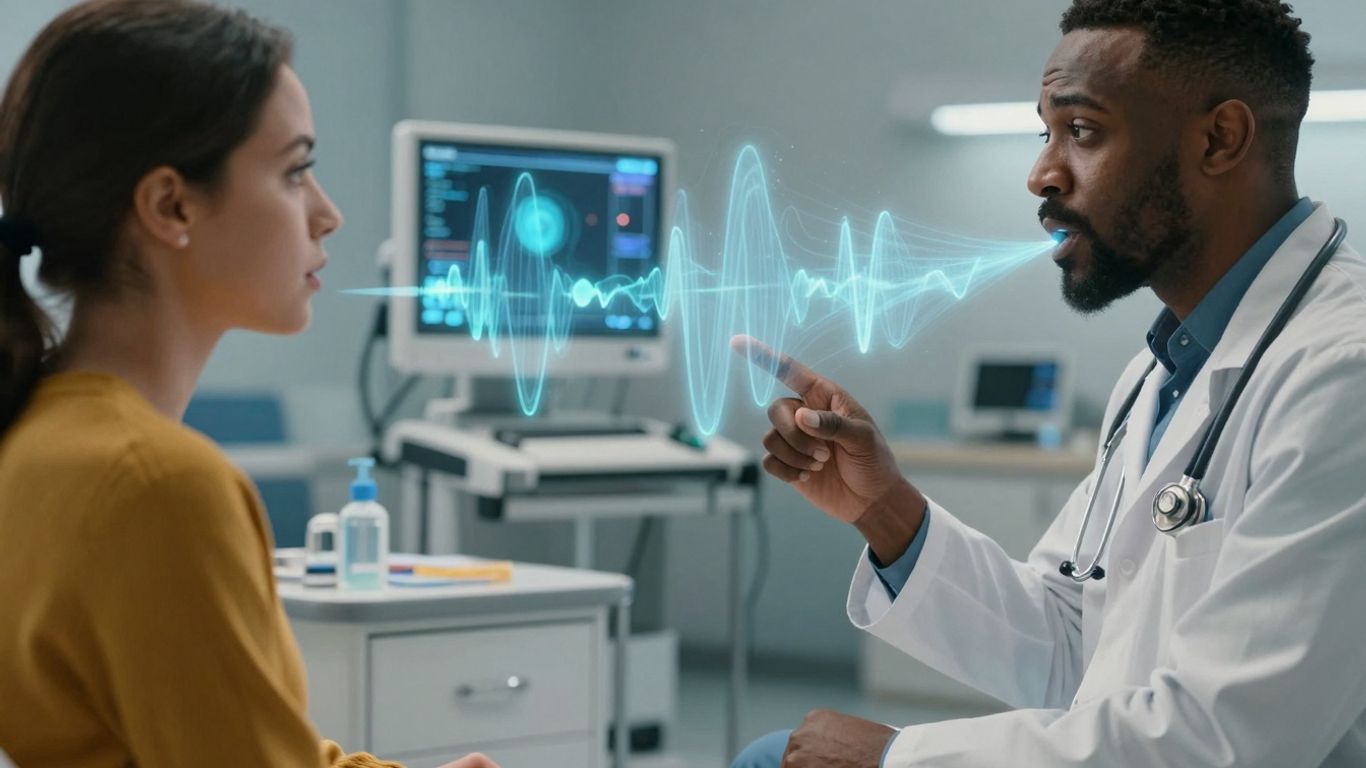
Think about how much time doctors and nurses spend typing notes. It’s a lot. Voice AI cuts through that. It lets them talk, and the system writes it down. This isn't just about saving a few minutes; it's about reclaiming hours. Hours that can go back to patients, or just to catching a breath.
This is where voice AI really shines. Instead of fiddling with keyboards, clinicians can just speak their notes. The AI transcribes it, often with surprising accuracy, even with medical terms. This means less time buried in charts and more time actually talking to people. It’s a simple idea, but the impact is huge. We’re talking about potentially saving billions across the healthcare system annually just by changing how notes are taken.
Beyond just documentation, voice AI can streamline a lot of the background noise in healthcare. Think about appointment scheduling, sending reminders, or even initial patient intake. AI can handle these tasks, freeing up administrative staff for more complex issues. It’s like having an extra pair of hands, but ones that don’t need coffee breaks. This also means fewer missed appointments and a smoother patient flow through the system.
Voice AI acts as a force multiplier, allowing existing staff to handle more without feeling overwhelmed. It’s about working smarter, not just harder.
Burnout is a real problem in medicine. A big part of it is the sheer administrative load. When doctors and nurses spend more time on paperwork than patient care, they get worn down. Voice AI directly tackles this. By automating tasks like documentation and reducing the need for constant data entry, it gives them back some control over their day. This isn't a magic bullet, but it’s a significant step towards making healthcare jobs more sustainable and less draining.
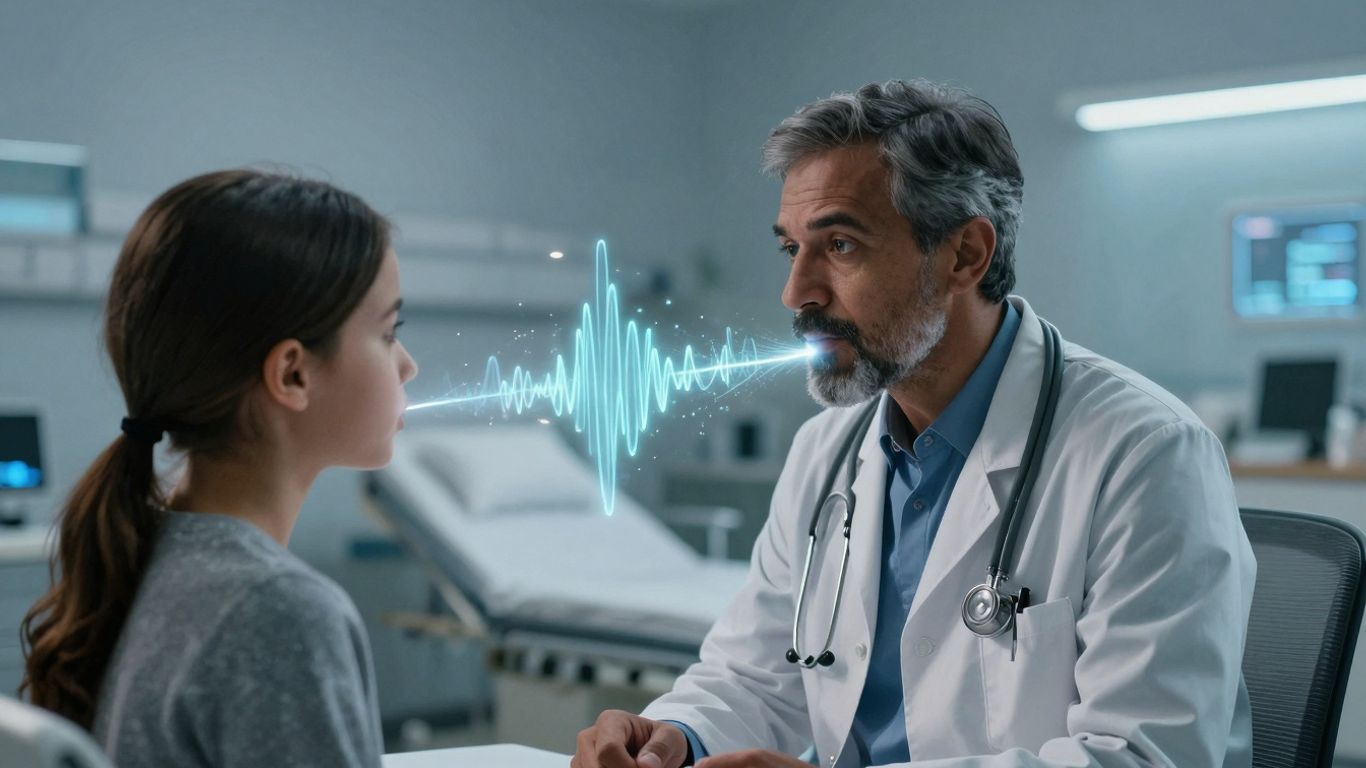
Think about how fast people talk. It’s pretty quick, right? Now imagine a system that can keep up, not just with one person, but with thousands, all at the same time. That’s the kind of speed and scale voice AI brings to healthcare. It’s not just about answering phones faster; it’s about fundamentally changing how quickly and how many people can get help.
Remember when busy signals were a thing? Like, a really common thing? With voice AI, that’s basically gone. This tech can handle an insane number of calls simultaneously. So, whether it’s a regular Tuesday or during a public health crisis, the system doesn’t buckle. It just keeps going, serving everyone who needs it without a hitch. This means patients aren’t left waiting, and healthcare providers aren’t overwhelmed by sheer volume.
It’s not just about handling many calls; it’s about how fast the AI responds. We’re talking milliseconds. This speed means conversations feel natural, not like you’re talking to a slow robot. The AI can understand complex questions and respond almost instantly. This quick back-and-forth is vital for things like urgent symptom reporting or getting quick answers to health questions. It makes the whole interaction feel more human and less like a chore.
All this speed and scale would be useless if it didn’t play nice with the systems healthcare already uses, like Electronic Health Records (EHRs). The good news is, voice AI is getting really good at this. It can connect to these systems, pull information, and update records without a lot of fuss. This means the data gathered through voice interactions doesn’t just disappear; it becomes part of the patient’s record, usable for better care. It’s like plugging a super-fast, super-smart assistant directly into your existing setup.
Remote patient monitoring (RPM) is getting a serious upgrade thanks to voice AI. Think about patients with ongoing conditions. Instead of just relying on them to remember to log their vitals or symptoms, voice tech can actively check in. Devices can integrate with health trackers, and the AI can ask about how they're feeling, if they took their meds, and then relay that info. It's like having a digital health assistant that never sleeps. Even subtle changes in someone's voice, like a slight tremor or a change in speech rhythm, can be picked up by AI. This could be an early sign of something like Parkinson's or even cognitive decline. Catching these things early means doctors can step in sooner, which is a big deal for managing chronic issues and improving outcomes.
We're moving beyond just listening to symptoms. Voice AI is starting to look at vocal biomarkers. This means the AI can analyze the actual sound of your voice to spot potential health problems. It's not just about what you say, but how you say it. This could lead to spotting a wider range of conditions, from mental health issues to respiratory problems, just by analyzing speech patterns. It's a less invasive way to get a read on someone's health, and it's getting more accurate all the time.
Voice AI helps tailor care to each person. It can learn an individual's needs and provide support that actually fits them. This means better engagement and making sure patients stick to their treatment plans. When the system understands a patient's specific situation, it can give reminders or advice that are actually relevant. This makes the whole healthcare experience feel more personal and effective, moving away from a one-size-fits-all approach.
Voice AI isn't just about talking to a machine; it's about what happens with that conversation. Think of it as a super-efficient note-taker, but one that actually understands what's being said and can do something with it. This is where the real power for healthcare systems lies – turning spoken words into actionable data.
Remember the days of scribbled notes and missed voicemails? Voice AI changes that. It can take messages, transcribe them accurately, and even categorize them. This means no more deciphering handwriting or listening to lengthy voicemails repeatedly. The AI receptionist, for example, can automatically convert voicemails to text, making them easy to read and manage. This is a big deal for keeping communication flowing, especially when you can't answer every call yourself. It's like having a receptionist who never sleeps and never forgets a message. This kind of system can connect with over 9000 apps through Zapier integration, meaning a message taken can automatically update a CRM or create a task.
Beyond just taking messages, voice AI can analyze the content of conversations. This is where the insights start to appear. By processing patient interactions, AI can identify trends, flag potential issues, or even suggest follow-up actions. Imagine an AI that can detect subtle changes in a patient's voice that might indicate a developing health problem. Or an AI that notices a recurring question from patients about a specific medication, prompting a review of the patient education materials. This data can inform everything from clinical decisions to operational improvements. It's about moving from just collecting data to actually understanding what it means for patient care and the business side of healthcare.
Keeping patient records organized is a constant battle. Voice AI can help by automatically updating Customer Relationship Management (CRM) systems based on conversations. Instead of manually entering details after a call, the AI can log interactions, update patient information, and track communication history. This creates a more complete and accurate record without the extra work. It's about making sure all the information is in one place, easily accessible, and always up-to-date. This AI-native approach eliminates the complex interfaces of legacy CRMs, automatically organizing records based on conversations. This makes managing patient relationships much simpler and more effective.

Look, voice AI in healthcare isn't some magic wand. There are real hurdles to clear before it becomes as common as a stethoscope. We need to talk about these, or we're just building castles in the sky.
This is the big one. When a system is listening to patient conversations, it's collecting some seriously sensitive stuff. We're talking health conditions, personal histories – the works. HIPAA isn't just a suggestion; it's the law. So, any voice AI has to be built with security baked in from the start. Think encryption, secure storage, and clear protocols for who can access what. Trust is the currency here, and a single breach can wipe out years of goodwill. Patients need to know their most private information is safe.
Voice AI has gotten pretty good, but it's not perfect. Medical jargon is complex, and people speak in all sorts of ways – different accents, mumbling, background noise. If the AI misunderstands a dosage instruction or a symptom description, the consequences could be serious. We need systems that can handle the nuances of human speech, especially in high-pressure medical settings. It's not just about convenience; it's about getting it right, every time.
Even the best tech is useless if people don't use it. Doctors and nurses are already swamped. Asking them to learn a whole new complex system might be a non-starter. Same goes for patients, especially older folks or those less comfortable with technology. We need interfaces that are intuitive, and we need to provide clear, simple training. It shouldn't feel like a chore to use. If it's clunky or confusing, adoption will stall. It needs to feel natural, almost invisible, to really take hold.
Getting people to use voice AI can be tricky. Many businesses worry about how well it will work or if it's too complicated. But these tools are getting much better at understanding what people say and responding naturally. Imagine a system that can answer calls all day, every day, and even book appointments for you. That's the power of modern voice AI. Ready to see how it can help your business? Visit our website to learn more!
So, voice AI in healthcare isn't some far-off sci-fi concept anymore. It's here, and it's already making a real difference. Think about it: less time spent wrestling with keyboards, more time actually talking to patients. It means fewer missed messages, quicker access to information, and maybe even a bit less burnout for the folks doing the hard work. The tech is getting smarter, faster, and easier to use. While there are still kinks to iron out, like making sure everything's secure and accurate, the direction is clear. This is about making healthcare more human, more efficient, and ultimately, better for everyone involved. It’s not just about new gadgets; it’s about rethinking how we connect and care.
Voice AI is like a smart computer program that can understand and respond to spoken words. In healthcare, it's used for many things, like helping doctors write notes faster, reminding patients to take their medicine, or even answering simple patient questions over the phone. Think of it as a helpful assistant that uses your voice.
It helps them a lot by taking care of boring, time-consuming tasks. For example, instead of typing out notes after seeing a patient, a doctor can just talk, and the AI writes it down. This means they have more time to focus on taking care of people and less time stuck at a computer. It can also help remind them about important patient information.
Yes, it can! Voice AI can make it easier for people to schedule appointments, get answers to common health questions, or even get reminders for doctor visits or medications. For people who have trouble seeing or using their hands, talking to a computer is much easier than typing or clicking.
That's a really important question. Companies that make these tools have to follow strict rules, like HIPAA, to keep your health information private and secure. They use special ways to protect the information, like scrambling it so only authorized people can read it. It's a big focus for them.
The technology is getting much better at understanding different accents and ways of speaking. While it might not be perfect for every single person right away, developers are constantly working to make it more accurate. They train the AI with lots of different voices to help it understand as many people as possible.
For people who need to be watched by doctors from home, voice AI can be a big help. It can check in with patients by asking them how they're feeling or if they've taken their medicine. If something seems wrong, it can alert the doctor. This way, patients can stay safe at home while still getting the care they need.
Start your free trial for My AI Front Desk today, it takes minutes to setup!


