
Customer service is changing, and fast. You know how sometimes you just need a quick answer, but you're stuck on hold forever? Yeah, that's not great. Well, there's a new way to handle things, and it's all about using smart computer programs, or AI chatbots, to help out. These aren't your grandma's basic bots; they actually understand what you're saying and can help in ways that feel pretty natural. We're going to look at how these ai-based customer service chatbots are shaking things up, making things faster, easier, and maybe even a little less frustrating for everyone involved.
Think of AI chatbots as the new front desk for your business, but one that never sleeps and can talk to everyone at once. They’re not just simple programs following a script. These are smart tools that use artificial intelligence, specifically something called Natural Language Processing (NLP), to actually understand what people are saying. It’s like they have a basic grasp of human language.
This means they can figure out if someone is asking a question, making a complaint, or needs help with something. They learn from every conversation, getting better over time. This isn't science fiction anymore; it's how many companies are already handling a good chunk of their customer interactions.
Most older bots just looked for keywords. If you didn't use the exact word they were programmed for, you were out of luck. AI chatbots are different. NLP lets them understand the meaning behind the words, even if there are typos or the sentence is phrased oddly. They can pick up on intent and context.
This makes talking to them feel more natural. Instead of feeling like you're wrestling with a dumb machine, it’s more like a quick chat. They can handle a lot of common questions without a human needing to step in. This frees up your human staff for the really tricky stuff.
Customers don't just have problems during business hours. They have them at 2 AM on a Sunday, or during a holiday. AI chatbots are always on. This constant availability is a huge deal for customer satisfaction. No more waiting until Monday morning for a simple answer. They can provide instant responses, day or night, weekday or weekend. This means fewer frustrated customers and more opportunities to help them, right when they need it.

Think about how long it takes to get a simple answer. Seconds, maybe minutes. Now imagine that time cut down to milliseconds. That's the speed AI brings. It's not just about answering questions faster; it's about processing information at a pace humans can't match. This speed means customers aren't left waiting, and your business operations don't get bogged down.
We're talking about response times measured in fractions of a second. When a customer asks a question, the AI doesn't need to search a database or consult a manual in the way a human would. It accesses and processes information almost instantly. This isn't just a minor improvement; it fundamentally changes the interaction. A slow response can kill a sale or frustrate a customer. An instant, accurate response keeps things moving. It feels less like talking to a machine and more like interacting with someone who's incredibly knowledgeable and always ready. This rapid processing is key to making AI support feel natural and effective, not robotic.
Remember the days of busy signals? With AI, that's a relic. An AI system can handle thousands, even millions, of conversations simultaneously. This means no matter how many customers reach out, whether it's a trickle or a flood during a product launch or a crisis, your business can handle it. There's no need to scale up a human team with all the associated costs and training time. The system just… works. It's like having an infinitely patient, infinitely available support staff. This kind of scalability means you never miss an opportunity or leave a customer hanging, regardless of demand. It's a superpower for any business that experiences fluctuating call volumes, like during peak seasons or marketing campaigns. You can even put your phone number everywhere, knowing the system can handle it.
Most customer service interactions involve repetitive questions. "What are your hours?" "How do I reset my password?" AI chatbots excel at these. They can handle a huge percentage of common queries, freeing up human agents for more complex issues. This isn't just about cost savings, though that's a big part of it. It's about making better use of human talent. Your skilled support staff can focus on problems that require empathy, critical thinking, and nuanced solutions, rather than answering the same question for the tenth time that hour. This automation also means consistency. Every customer gets the same accurate answer to routine questions, every time. It streamlines operations and ensures a baseline level of service quality that's hard to achieve with purely human teams. For example, AI can manage voicemails by transcribing them, making them easy to read and organize, so you never miss an important message. This kind of automation is a core part of making your support system more efficient and effective, allowing you to focus on growth.
The real win here is turning a cost center into a performance driver. Speed and scale aren't just about doing more with less; they're about doing better with what you have, and doing it consistently.
Putting an AI chatbot to work isn't about replacing your existing setup; it's about making it all talk to each other. Think of it less like a new employee and more like a translator and connector for all your tools.
Zapier is where the magic happens. It's a service that connects different apps and services, letting them share information automatically. If your AI chatbot can do something, Zapier can likely connect it to over 9,000 other apps. This means when your chatbot handles a call or a message, it can automatically update your CRM, create a task in your project management tool, or send an email. It turns your scattered tools into a coordinated system.
With Zapier, you get a two-way street for data. Your chatbot can pull information from your CRM to give a customer a personalized answer, and then it can push new customer details back into the CRM. This automation cuts down on manual data entry, which is a huge time saver and reduces errors. Imagine a call ending and a new contact record appearing in your system instantly. That's the kind of efficiency we're talking about.
Here's a quick look at what this means:
The real win here is turning a collection of separate software into a single, flowing operation. It's the difference between a bunch of tools in a toolbox and a well-oiled machine.
This isn't about throwing out what you already use. The goal is to make your AI chatbot play nice with your current software. Whether it's a CRM, an email marketing platform, or even a niche tool your team relies on, integration means the chatbot can access and use that data. This makes the chatbot smarter and more useful, providing better service because it has the full picture. It's about making your existing investments work harder for you.
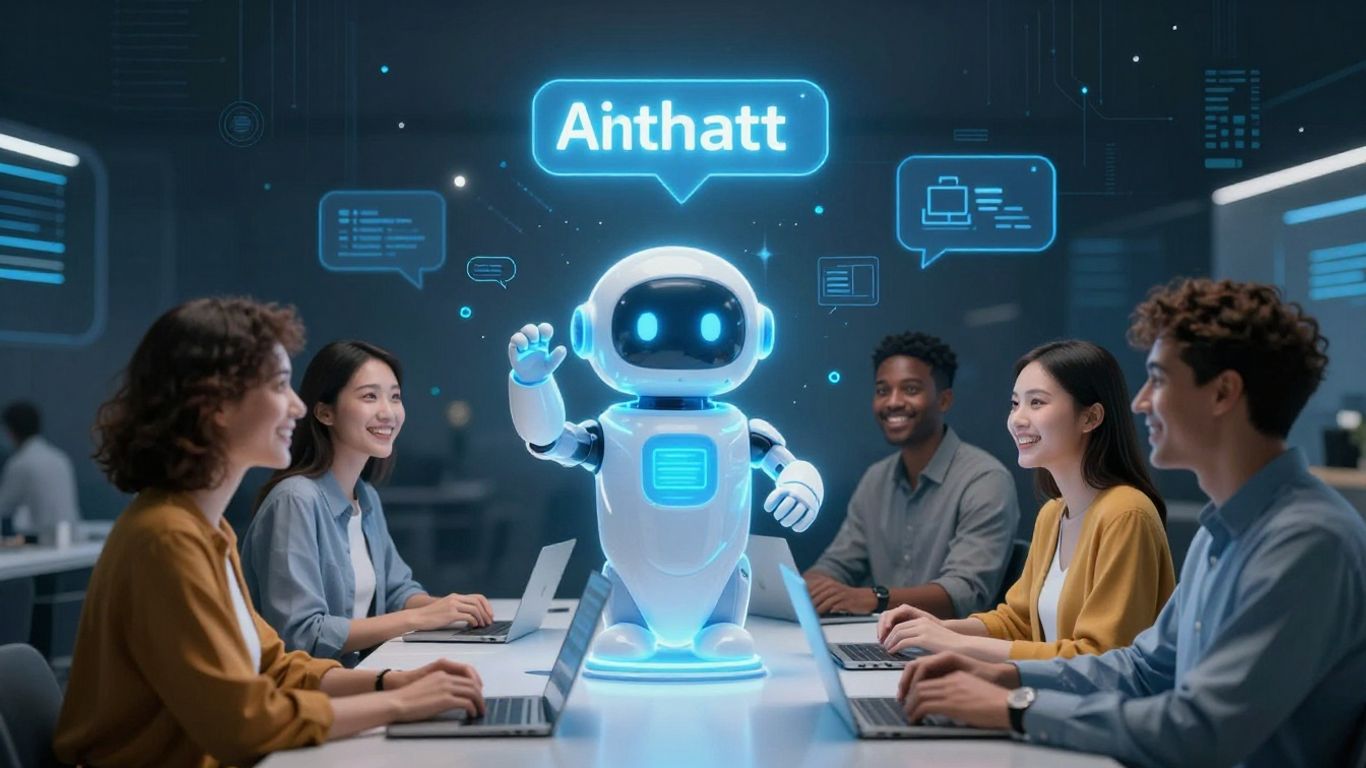
AI chatbots do more than just answer questions. They can manage complex tasks, understand context, and even control when they're active. This moves them from simple Q&A tools to actual operational assets.
Think about voicemails. Usually, they pile up, and someone has to listen to each one, figure out what's important, and then act. It's a time sink. AI can change that. It can listen to the message, transcribe it, and then pull out the key information. Is it a sales lead? A support request? A complaint? The AI can categorize it. It can even trigger an action based on the content, like creating a ticket or sending an alert. This means you're not just getting a message; you're getting actionable data, instantly.
This is where things get interesting. AI can process not just what's said, but how it's said. It picks up on tone, urgency, and the overall situation. If a customer is getting frustrated, the AI can recognize that and adjust its response, or flag it for a human agent. It's not just about keywords anymore; it's about understanding the situation. This allows for more nuanced interactions, making the customer feel heard, not just processed.
Businesses aren't 24/7, but customer needs often are. AI can manage this. You can set specific hours for the AI to be active, or even have it adapt based on holidays or special events. It knows when to work and when to hand off. This isn't just about answering calls; it's about answering them appropriately. A call at 3 AM about a product return needs a different response than a query at 10 AM about pricing. The AI handles this temporal context, so your business always presents the right face, at the right time.
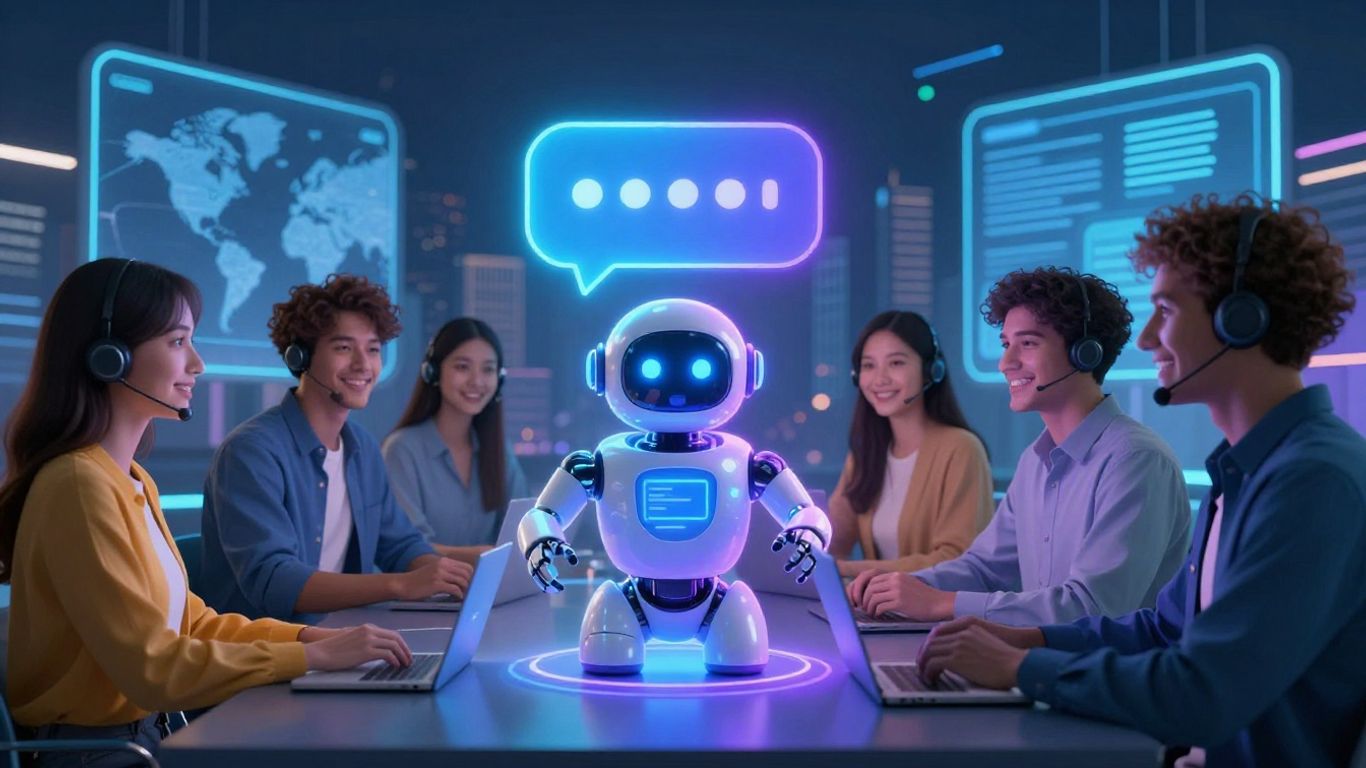
Think about this: AI is changing how businesses talk to customers. It's not just about answering phones anymore. It's about being there, understanding, and acting fast. For you, this means a real chance to build something. You can offer this powerful AI tech, but under your own name. It's like getting a proven engine and putting it into a car you designed.
This is the core of it. You get the AI technology, but it's completely branded as yours. Your logo, your colors, your company name. Clients won't see the original provider; they'll only see you. This builds your brand, not someone else's. It makes you look like the tech company, not just someone who sells it.
The market for AI services is growing fast. Businesses everywhere need better customer service, but they're also watching costs. Offering an AI receptionist or chatbot is a strong pitch. You can promise 24/7 service for less than hiring staff. And the best part? It scales easily. You add a client, you add revenue, but your costs don't jump up much. It's a model that can grow without breaking the bank.
Getting started isn't some huge hurdle. You don't need to build the AI from scratch. Often, you just need a small commitment to get your branded system running. This means you can test the waters, maybe even use it for your own business first, and then expand. Support is usually there too, with teams to help you figure out marketing or technical bits. It's designed so you can actually start selling, not just learning.
The real opportunity here is to become a provider, not just a middleman. You're offering a complete solution, branded as your own, to businesses that need it. It's a way to build your own AI business without the massive upfront risk of developing the core technology yourself.
Look, most businesses are drowning in support tickets. It’s a constant drain. AI chatbots cut through that noise. They handle the routine stuff – the "what are your hours?" and "how do I reset my password?" questions – without breaking a sweat. This isn't about replacing people entirely; it's about freeing them up. Think of it like this: your human agents become the specialists, tackling the really tricky problems, while the AI handles the grunt work. This means fewer people needed for basic inquiries, which directly translates to lower payroll and training costs. We're talking about potentially automating up to 60% of common queries, which can shave off 25-30% of your support expenses. It’s a simple equation: less time spent on repetitive tasks means more money saved.
Customers hate waiting. It’s that simple. When they have a question, they want an answer now. AI chatbots provide that instant gratification. They respond in milliseconds, not minutes or hours. This speed makes a huge difference. It means fewer frustrated customers, quicker problem resolution, and ultimately, happier people. Studies show this can bump customer satisfaction scores by a noticeable amount, sometimes as much as 7%. Imagine a customer getting an answer to a simple question at 2 AM on a Sunday. That’s the kind of experience that builds loyalty. It’s not about replacing human empathy, but about providing consistent, fast, and accurate information when it’s needed most.
Every interaction a chatbot has is a data point. And when you have thousands, or even millions, of these data points, you start seeing patterns. AI can sift through all that information – what questions are asked most often, where customers get stuck, what products they’re interested in – and turn it into something useful. It’s like having a constant focus group. This data helps you understand your customers better, identify pain points in your products or services, and make smarter decisions about where to focus your efforts. Instead of guessing what customers want, you have concrete data telling you.
The real win here isn't just saving money or making customers slightly happier. It's about transforming your support from a cost center into a strategic asset. You get efficiency, better customer experiences, and a clearer picture of your market, all rolled into one. It’s a shift from just answering questions to actively improving your business based on what you learn.
Here’s a quick look at the impact:
AI in customer service isn't static. It's a moving target, always getting smarter. What seems cutting-edge today will be standard tomorrow. Think about it: we're moving past simple Q&A bots.
Right now, most AI interactions are text or voice. But that's changing. Soon, AI will handle more than just words. It'll understand images, maybe even video. Imagine an AI that can look at a picture of a broken product and tell you how to fix it, or guide you through a complex setup. This multimodal approach means AI can grasp context in ways we're only starting to explore. It's about a richer, more complete understanding of the customer's issue.
These systems aren't built and then forgotten. They learn. Every interaction, every piece of feedback, feeds back into the AI. This means the bots get better over time, not just at answering questions, but at understanding nuance, tone, and intent. It's like having a support team that's constantly training and improving, without the usual overhead. We're seeing AI that can predict needs before a customer even asks, offering solutions proactively. This isn't just about reacting; it's about anticipating.
Don't think AI is here to replace humans entirely. The real power is in collaboration. AI handles the routine, the repetitive, the data-heavy tasks. This frees up human agents for the complex, the empathetic, the truly unique problems. Think of it as a partnership. The AI acts as an incredibly efficient assistant, gathering information, suggesting solutions, and handling initial contact. The human agent then steps in, armed with all the context, to provide that final, human touch. This hybrid model is where the magic happens, combining the speed and scale of AI with the irreplaceable judgment and empathy of people. It's about making the entire support process smoother and more effective for everyone involved. For businesses looking to scale their support without losing that personal connection, exploring solutions like AI Frontdesk can be a smart move.
The world of business is always changing, and new tools are popping up all the time. Keeping up with these changes can be tough, but it's important for success. We're seeing a lot of cool new tech that helps businesses work smarter, not harder. Want to see how these new ideas can help your business grow? Visit our website to learn more!
So, we've looked at how AI chatbots are changing customer service. It's not just about answering questions faster, though that's a big part of it. It's about making things work better, saving time, and honestly, just making life a bit easier for everyone involved. The tech is here, it's getting smarter, and it's not going away. Businesses that figure out how to use it well, without forgetting the human touch, are going to be the ones that do well. It’s less about replacing people and more about giving them tools to do their jobs better. The future is already here, and it’s talking to your customers.
Think of an AI chatbot like a super-smart robot helper for businesses. Instead of just following a set script, it uses artificial intelligence to understand what people are asking, kind of like how you understand your friends. It can then answer questions, help with problems, or guide customers, all by itself, 24/7.
These AI chatbots are incredibly quick! They can answer in just milliseconds, which is faster than you can even blink. This means they can keep up with a normal conversation without making you wait, making the whole experience feel smooth and natural.
Absolutely! Unlike a human who can only talk to one person at a time, an AI chatbot can talk to as many customers as needed, all at the same time. It's like having an endless number of helpers ready to go, so no one has to wait in line.
Zapier is like a special connector that lets your AI chatbot talk to thousands of other apps and tools your business uses, like your calendar or customer list. This means when the chatbot does something, like taking a message, it can automatically update your other tools, saving you tons of time and making sure everything stays organized.
Yes, you can! Many services let you 'white label' the AI chatbot. This means you can put your own company's name and logo on it, and even customize how it talks. It's a great way for businesses to offer advanced AI help to their clients under their own brand.
Not really. AI chatbots are fantastic for handling common questions and tasks quickly, freeing up human agents to deal with more complicated or sensitive issues. It's best when humans and AI work together, with the AI handling the speed and scale, and humans providing the empathy and complex problem-solving.
Start your free trial for My AI Front Desk today, it takes minutes to setup!


