
Managing properties can feel like a constant juggling act, right? Between keeping current tenants happy and trying to attract new ones, it's easy to get bogged down. That's where the idea of an AI leasing office assistant comes in. Think of it as a digital helper that can take on a lot of the repetitive work, freeing you up to focus on what really matters. It's not about replacing people, but about making the whole process smoother and more efficient for everyone involved.
In today's fast-paced world, getting quick answers is what everyone expects. For property management, this means potential renters and current tenants need information right away, not just during business hours. An AI leasing office assistant can really change how you connect with people.
Think about it: a prospect is browsing your listings at 10 PM on a Saturday. They have a question about a specific unit. Instead of waiting until Monday morning, an AI assistant can provide an immediate answer. This kind of 24/7 availability means you never miss an opportunity to engage someone who's interested. It's like having a helpful staff member who never sleeps, always ready to chat about availability, pricing, or amenities.
AI isn't just about speed; it's also about making each interaction feel right for the person you're talking to. These assistants can understand what a prospect is looking for – maybe they need a pet-friendly place or a specific number of bedrooms. By asking a few questions, the AI can tailor its responses and even suggest suitable units. This makes the prospect feel heard and understood, which is a big step towards them choosing your property.
Property managers often get the same questions over and over. An AI assistant can handle these common inquiries efficiently. It can answer questions about lease terms, what utilities are included, or even the process for submitting an application. This frees up your human team to focus on more complex issues or to provide in-person tours. It's a way to manage the volume of questions without getting overwhelmed.
Here's a quick look at how AI handles inquiries:
The ability of AI to process and respond to inquiries instantly, around the clock, significantly improves the initial impression a potential tenant has of your property management services. It shows you're modern and responsive.
This constant availability and personalized approach can make a real difference in how quickly you fill vacancies and how happy your residents are with your service.

Leasing can feel like a constant juggling act, right? You've got prospects calling, emailing, and showing up, all while trying to keep current tenants happy and manage the property itself. It's a lot. But what if you could take a big chunk of that off your plate? That's where AI steps in to really streamline things.
Not every inquiry is a ready-to-sign tenant. An AI assistant can sort through the initial questions, figure out what a prospect is looking for, and even check if they meet basic requirements. This means your human team doesn't waste time on leads that aren't a good fit. It’s like having a super-efficient screener working 24/7.
This initial filtering process ensures that your leasing agents focus their energy on prospects who are genuinely interested and qualified, making the entire sales funnel more effective.
Scheduling property tours can be a headache. Coordinating availability between prospects and your leasing agents, sending reminders, and handling cancellations takes time. An AI assistant can handle this automatically. It checks calendars, finds open slots, sends invites, and even reschedules if needed. This means fewer missed appointments and a smoother experience for potential renters.
Keeping in touch with prospects after an initial inquiry or a tour is key to closing a lease. But it's easy for leads to slip through the cracks. AI can automate follow-up messages at pre-set intervals. It can send reminders about upcoming tours, share additional property information, or simply check in to see if they have more questions. This consistent communication keeps your property top-of-mind and increases the chances of conversion.

Property management can feel like a constant juggling act, right? You've got inquiries flooding in, tours to schedule, and a whole list of tasks that just keep piling up. This is where artificial intelligence really starts to make a difference, helping to smooth out those rough edges and make things run a lot better.
Think about all the time your team spends answering the same questions over and over. An AI assistant can handle these repetitive queries instantly, 24/7. This means fewer staff hours spent on basic questions and more time for complex issues or tenant relations. It's like having an extra team member who never sleeps and doesn't need a coffee break. This kind of automation can really cut down on overhead, especially for after-hours support, which often requires extra staffing. It's a smart way to manage resources more effectively.
When a potential renter reaches out, they want answers fast. Waiting hours, or even days, for a response can mean they just move on to the next property. An AI leasing assistant provides immediate responses, day or night, keeping prospects engaged. It can also help qualify leads by asking initial questions, ensuring your human agents focus on those most likely to rent. This quick, consistent interaction significantly boosts the chances of turning a curious prospect into a signed lease. It's about being there when the interest is highest.
Let's be honest, administrative tasks can really bog down a leasing team. Scheduling tours, sending follow-up emails, gathering basic prospect information – these are all necessary but time-consuming. An AI assistant can take over these duties, freeing up your human agents to concentrate on what they do best: building relationships, closing deals, and providing personalized service. This shift allows your team to handle more leads without feeling overwhelmed, leading to a more productive and less stressful work environment. It's about working smarter, not just harder. The ability to integrate with existing systems, like property management software, means data flows smoothly, reducing manual entry and errors, further streamlining operations.
So, what's the big deal with these AI leasing assistants? Well, for starters, they really change the game for property managers and, honestly, for people looking for a place to live too. Think about it: no more waiting around for someone to answer your email or call back. These AI helpers are on the job 24/7, ready to chat whenever a prospect has a question, day or night. This means fewer missed opportunities because someone was off-shift or swamped with other tasks.
Prospects today expect quick answers. They're often browsing late at night or on weekends, and waiting until Monday morning for a response can mean they've already moved on to another property. An AI assistant provides instant replies to common questions about pricing, availability, or amenities. It can even help schedule tours right then and there, making the whole process feel much smoother and more modern. This kind of immediate attention makes a property stand out.
It's not just about getting new tenants in the door; it's about keeping them happy. While the AI assistant primarily handles the leasing phase, its efficiency can indirectly boost tenant satisfaction. By automating repetitive tasks, human staff have more time to focus on resident needs and issues. Plus, a well-managed leasing process sets a positive tone from the very beginning, which can carry through the entire tenancy. Happy tenants are more likely to renew leases and recommend the property to others.
One of the quieter but really significant benefits is the data these AI assistants collect. They log every interaction, every question asked, and every tour scheduled. This information is gold. It can show you what features prospects are most interested in, what questions come up most often, and even identify bottlenecks in your leasing process. Property managers can use this to refine their marketing, adjust property descriptions, or improve their tour routes. It's like having a constant stream of feedback to help you make smarter choices about your business. You can see trends in inquiries over time, helping you understand market demand better. For example, you might notice a surge in questions about pet-friendly policies during certain months, which could inform your advertising strategy. This kind of insight is hard to get without a dedicated system tracking everything. It's a big step up from just guessing what renters want. You can even track how many leads are converted into actual leases, giving you a clear picture of your sales funnel's effectiveness. This data helps in planning future investments and understanding the return on investment for different marketing efforts. It's about working smarter, not just harder, by understanding the real numbers behind your leasing operations. This kind of detailed reporting can be a game-changer for optimizing your entire property management strategy. It's about making informed decisions that lead to better outcomes for both the business and the people looking for a home. The ability to analyze these interactions provides a clear path for improvement and growth. It's a powerful tool for anyone serious about property management. You can get a better handle on your lead qualification process by seeing exactly what information prospects are seeking upfront.
Getting an AI leasing assistant up and running shouldn't feel like you're starting from scratch. The best systems are designed to play nice with the tools you already use. Think about your current property management software, your CRM, or even your calendar. A good AI assistant will connect with these, making sure information flows smoothly between them. This means you don't have to manually move data around, which saves a ton of time and cuts down on mistakes. It's like adding a smart new team member who already knows how to use all your existing office equipment.
It's not enough for the AI to just send information out. What's really powerful is when it can also receive information back and forth. This two-way street means that when the AI schedules a tour, that appointment instantly shows up in your main calendar. Or, if a human agent updates a prospect's status in your CRM, the AI knows about it right away. This keeps everyone on the same page and makes sure the AI is always working with the most current information. No more outdated details or missed updates.
Every property management office has its own way of doing things. That's why your AI assistant needs to be flexible. You should be able to set up specific rules, or "triggers," that tell the AI what to do in different situations. For example, you could set a trigger so that if a prospect asks about a specific floor plan, the AI automatically sends them a link to the virtual tour for that unit. Or, if a lead comes in after business hours, the AI can be set to send a personalized welcome message and schedule a callback for the next morning. This level of customization means the AI works exactly how you need it to, handling routine tasks so your team can focus on what matters most.
Think about talking to a real person, not just a robot spitting out pre-written answers. That's what Natural Language Processing (NLP) brings to the table for AI leasing assistants. It's the tech that lets the AI actually understand what people are asking, even if they don't use perfect grammar or ask the question in a way the AI was specifically programmed for. It can pick up on the intent behind the words, whether it's a simple question about rent or a more complex query about pet policies. This ability to grasp nuances makes the interaction feel much more natural and less like you're talking to a machine. It means prospects can ask follow-up questions, clarify details, and generally have a conversation that flows, much like they would with a human agent. This makes them feel heard and understood, which is a big deal when someone is looking for a new place to live.
Let's face it, people don't just look for apartments during business hours. They browse late at night, early in the morning, and on weekends. An AI leasing assistant is always on duty. It doesn't need sleep, coffee breaks, or holidays. This means that no matter when a potential tenant has a question or wants to schedule a tour, the AI is there to help. This constant availability is a huge advantage. It prevents leads from going cold because a prospect had to wait until Monday morning for a response. It also means that your leasing team isn't constantly bombarded with after-hours inquiries, allowing them to focus on their work during the day.
While basic chatbots might struggle with anything outside a script, AI leasing assistants are built to handle more. They can access and process information from various sources, like your property listings, amenity details, and even community rules. So, if someone asks about specific floor plan features, availability on a certain date, or even what utilities are included, the AI can pull that information and provide a precise answer. It's not just about answering simple FAQs; it's about providing detailed, accurate information that helps prospects make informed decisions. This capability means fewer questions get dropped or answered incorrectly, leading to a smoother experience for everyone involved.
Here's a quick look at what these capabilities mean in practice:
The real power of these AI assistants lies in their ability to mimic human interaction while performing tasks with machine-like speed and accuracy. They bridge the gap between a prospect's immediate need for information and the property management team's capacity to provide it, all without missing a beat.
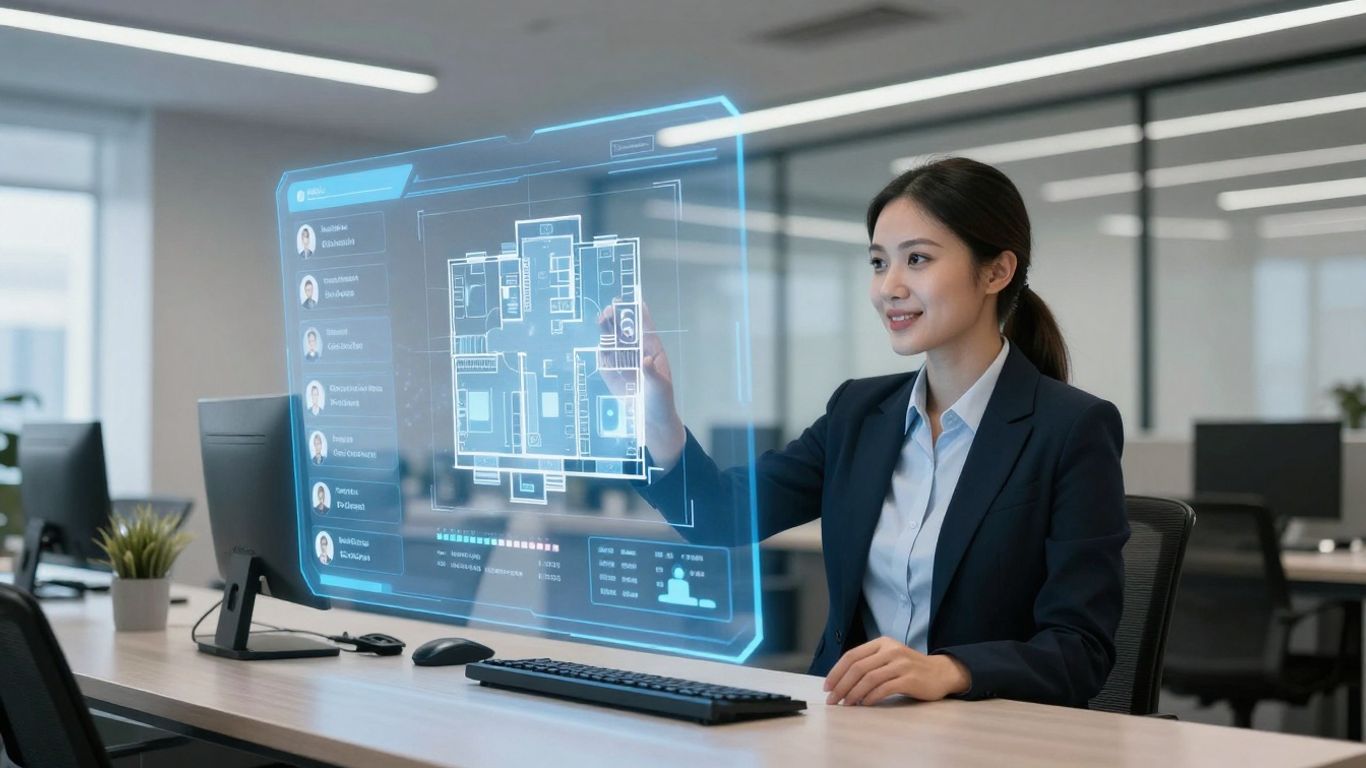
Let's be real, managing properties can feel like a constant juggling act. You've got prospects calling, emails flooding in, tours to schedule, and then there's the actual property management stuff. It's a lot. But what if you could get some serious help without hiring a whole new team? That's where an AI leasing office assistant really shines.
Think about all those questions that come up again and again. "What are the lease terms?" "What's the pet policy?" "When can I see the apartment?" An AI assistant can handle these in a snap, 24/7. It's like having a super-efficient front desk that never sleeps or gets tired of answering the same thing for the hundredth time. This frees up your human team from answering basic FAQs, letting them focus on the more complex issues or building relationships with potential renters.
When the AI takes care of the routine stuff, your leasing agents can actually do what they're best at. This means spending more quality time with serious prospects, negotiating leases, handling unique tenant requests, or even doing proactive outreach. Instead of being bogged down by administrative work, they can concentrate on closing deals and making sure tenants are happy. It's about working smarter, not just harder.
Time is money, especially in property leasing. An AI assistant can speed things up considerably. It can instantly respond to inquiries, gather initial information from prospects, and even schedule tours without any back-and-forth emails. This quick response time is often what makes a prospect choose one property over another. Plus, automated follow-ups mean fewer leads slip through the cracks. The whole process from initial contact to signed lease can become much faster and smoother.
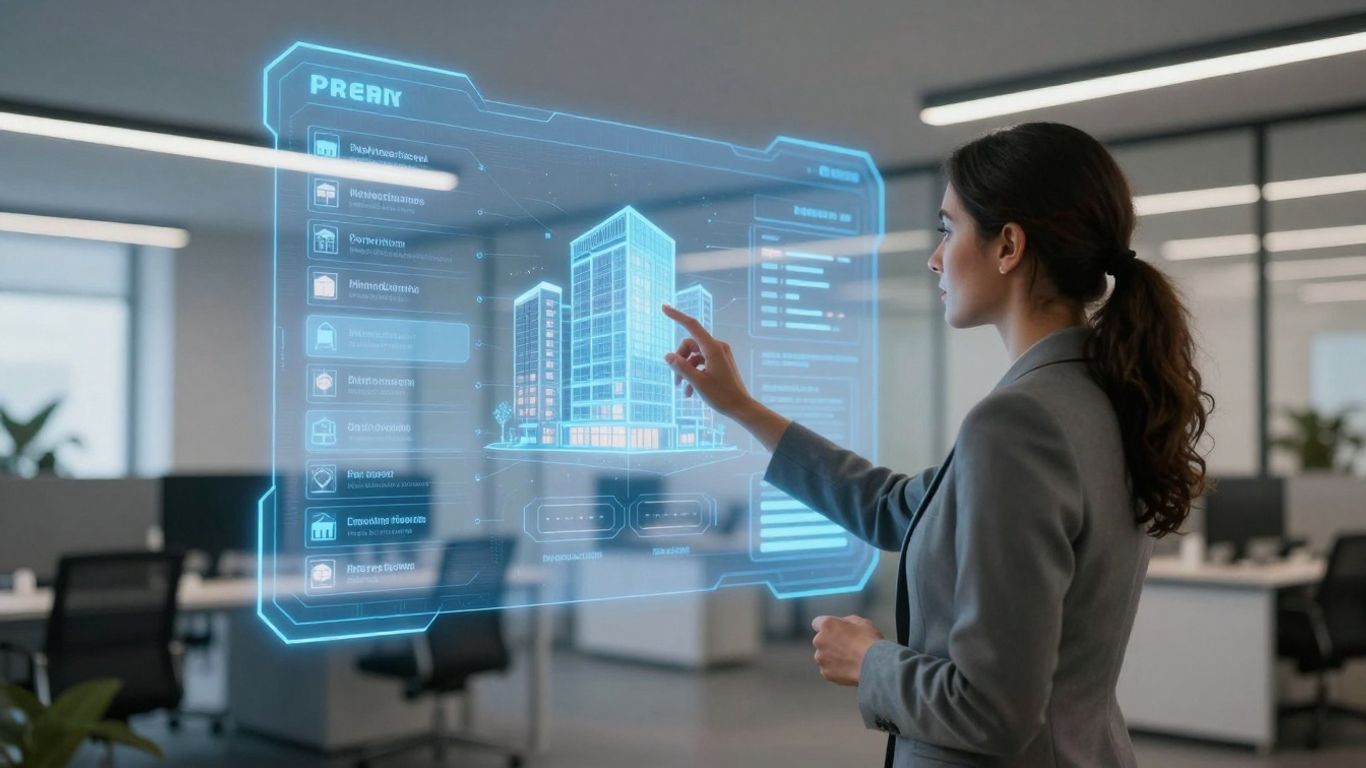
So, what's next for property leasing? It's pretty clear that AI isn't just a passing trend; it's shaping how we find and manage homes. We're talking about a future where AI does even more, making things smoother for everyone involved.
Imagine knowing what rents will do next month, or even next year. AI is getting really good at looking at tons of data – like what's happening in the economy, how many people are moving where, and what kind of apartments are in demand. This means property managers can make smarter choices about pricing and what kind of properties to invest in. It's like having a crystal ball, but based on real numbers.
AI's ability to sift through vast amounts of market data allows for proactive decision-making, moving property management from a reactive to a predictive model.
Think about calling a property and not having to type anything. You just talk. AI is getting better at understanding what we say, even with different accents or if we mumble a bit. This means you could ask about an apartment, schedule a tour, or even start an application just by speaking. It makes interacting with properties feel more natural, almost like talking to a person.
AI isn't standing still. It's constantly learning and improving. We'll see AI assistants that can handle even more complex questions, understand emotions better, and offer even more personalized help. They might even be able to help with things like lease renewals or handling minor maintenance requests before a human even needs to get involved. The goal is to make the entire process, from first look to signing the lease and beyond, as easy and pleasant as possible.
So, you're thinking about getting an AI leasing assistant. That's a smart move. But with so many options out there, how do you pick the one that actually fits your property management needs? It’s not just about picking the flashiest one; it’s about finding a tool that works with your current setup and makes your life easier, not harder.
When you're looking at different AI assistants, think about what you really need them to do. Do you just want them to answer basic questions, or do you need them to handle complex inquiries, schedule tours, and even follow up with leads? Some assistants are better at natural language processing, meaning they can understand and respond to questions like a real person would. Others might be more limited. It’s also worth checking if they can handle multiple languages if you have a diverse tenant base.
Here are some things to consider:
This is a big one. Your new AI assistant shouldn't be a standalone gadget. It needs to play nice with the software you're already using, like your CRM or property management system. Look for tools that offer easy integration, ideally with a two-way data flow. This means information can be shared back and forth in real-time, so your human team always has the latest updates. Also, think about the future. Will this assistant grow with your business? If you plan to expand your portfolio or add more properties, you'll need an AI that can scale up without breaking a sweat.
The best AI assistants don't just automate tasks; they become an extension of your team, working harmoniously with your existing tools and processes. This connection is what truly streamlines operations and prevents data silos.
AI assistants come with different price tags. Some charge a flat monthly fee, while others might base costs on usage, like the number of calls or messages handled. Make sure you understand the pricing structure and what's included. Are there hidden fees? What about setup costs? And don't forget about support. What happens if something goes wrong? Is there a dedicated support team available, and what are their hours? Good support can make all the difference when you're relying on this technology day in and day out.
Picking the best AI assistant for your leasing office can seem tricky. You want something smart that helps manage calls and appointments without missing a beat. Our AI tools are designed to do just that, making your job easier and keeping your renters happy. Ready to see how it works? Visit our website to learn more and find the perfect fit for your office!
So, we've talked a lot about how AI can really shake up property management, especially when it comes to leasing. It's not just about fancy tech; it's about making things smoother for everyone involved. Think fewer missed calls, quicker responses to potential renters, and less time spent on paperwork for your team. This stuff can handle the repetitive tasks so your human staff can focus on what they do best – building relationships and closing deals. It really seems like the way forward if you want to stay competitive and keep your tenants happy. Giving this kind of technology a try might just be the smartest move you make for your business this year.
Think of an AI leasing office assistant as a super-smart helper for your property business. It uses computer smarts, or AI, to answer questions from people looking to rent, schedule visits, and do other tasks that usually take up a lot of time for real people.
Yes! It's trained to understand and respond in a way that sounds natural, almost like you're chatting with a friendly person. It can understand different questions and give helpful answers, making the experience much better for renters.
Absolutely. This AI assistant is available 24/7, meaning it never sleeps! It can answer questions and help prospects anytime, day or night, so you never miss a potential renter.
The AI can connect with your calendar and find times that work for both the renter and your team. It handles the back-and-forth to book a tour smoothly, making sure everyone knows when and where to meet.
Definitely. It can help sort through potential renters to see who is most interested, send reminders for appointments, and even help with some paperwork. This frees up your human team to focus on more important things.
Yes, it's designed to link up with many of the tools you might already be using, like scheduling software or customer databases. This makes sure information flows easily between systems.
It can. By handling many tasks automatically, it reduces the need for constant human effort, which can lower costs. Plus, by helping you convert more leads into renters faster, it can increase your income.
If a question is too tricky or needs a human touch, the AI can be set up to pass the conversation over to one of your team members. This ensures that every renter gets the help they need, no matter what.
Start your free trial for My AI Front Desk today, it takes minutes to setup!


