
Running a medical office can feel like a constant juggling act. There are patients to see, appointments to keep track of, and a never-ending stream of phone calls. It gets overwhelming fast, right? That's where ai for front desk medical office solutions come into play. Think of it as a tireless assistant, working 24/7 to handle those front-desk jobs so your human team can focus on what's truly important: patient care. This isn't some far-off idea anymore; it's a practical tool that can really change how your practice operates every single day.

The front desk is the engine room of any medical practice. It's where patients first interact, appointments are made, and the day's rhythm is set. But let's be honest, it's often a bottleneck. Calls pile up, paperwork overflows, and staff get pulled in a dozen directions. This is where AI steps in, not as a replacement, but as a serious upgrade.
Think about the sheer volume of time spent on booking, rescheduling, and confirming appointments. It’s a constant back-and-forth. An AI receptionist can handle this entire process. Patients can interact via text or voice, pick available slots in real-time, and get instant confirmations. It syncs directly with your practice management software, meaning no more double bookings or manual calendar updates. Plus, automated reminders, tailored to the appointment type, go out without a hitch, cutting down on no-shows significantly. This isn't just about convenience; it's about reclaiming hours of staff time.
When the phone rings off the hook, it’s easy for things to fall through the cracks. AI doesn't get flustered. It can manage an unlimited number of calls simultaneously. Whether it's answering frequently asked questions, directing callers, or taking messages, the AI handles it instantly. This means patients get answers when they need them, and your human staff aren't constantly interrupted. It’s like having an extra receptionist for every patient who calls, but one that never needs a break.
Beyond calls and scheduling, the front desk juggles a mountain of administrative tasks. Insurance verification, form intake, basic patient queries – these are necessary but time-consuming. AI can automate many of these. Imagine insurance details being checked before a patient even arrives, or common questions about office hours being answered instantly. This frees up your team to focus on more complex patient needs, direct care, or tasks that genuinely require a human touch. It shifts their focus from repetitive chores to more meaningful work, boosting both productivity and job satisfaction.
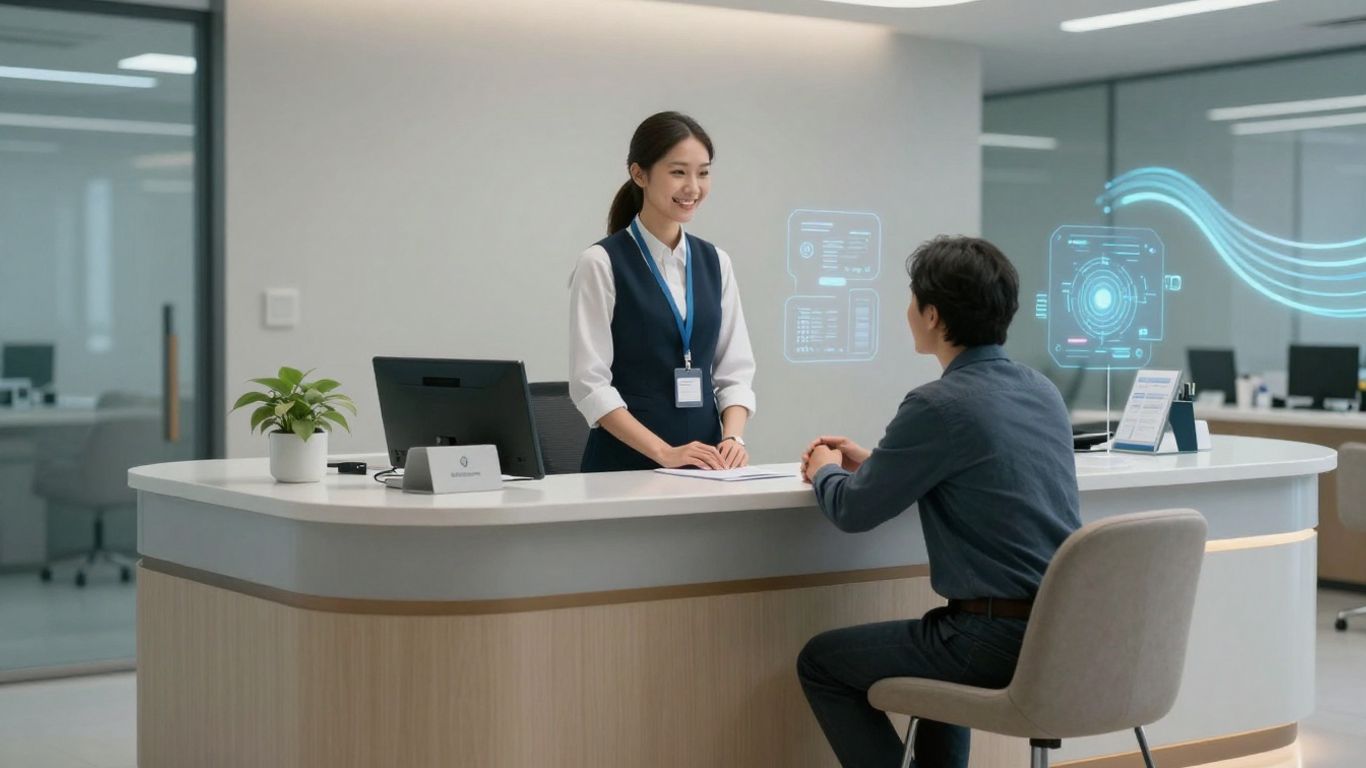
Patients don't always have questions during your office hours. Sometimes, a question about medication or an appointment pops up at 9 PM. An AI receptionist can handle these inquiries anytime, day or night. This means patients can get answers when they need them, not just when someone is available to pick up the phone. It’s like having a helpful assistant who never sleeps, always ready to assist. This constant availability means fewer missed opportunities and a more satisfied patient base who feel they can always get the help they need. You can explore how AI receptionists are changing the game for businesses by checking out this resource.
Nobody likes being put on hold or having their calls go unanswered. AI receptionists can handle a high volume of inquiries at the same time, cutting down on wait times significantly. They can answer common questions instantly, freeing up your human staff to handle more complex patient needs. Plus, with automated systems, you're far less likely to miss a call, which means fewer potential patients slipping through the cracks. This efficiency translates directly into a better patient experience and potentially more booked appointments.
While it's an AI, it doesn't have to feel robotic. Modern AI receptionists can be programmed to personalize interactions. They can greet patients by name, recall appointment details, and even offer tailored information based on a patient's history or stated needs. This level of personalized attention can make patients feel more valued and understood, building stronger relationships and encouraging them to return. It’s about making technology work for you to create a more human-centered approach to patient care, even when the interaction is automated. You can even set up specific communication preferences, like sending reminders via text or email, based on what works best for each patient.
The goal is to make the patient's journey as smooth and pleasant as possible, starting right from their first point of contact. An AI receptionist helps achieve this by being consistently available, quick to respond, and capable of providing personalized assistance, which ultimately leads to happier patients and a more efficient practice.
Here’s a quick look at how AI impacts response times:
This level of responsiveness makes a big difference in how patients perceive your practice.
Running a medical practice means keeping an eye on the bottom line. It's not just about patient care, though that's number one. It's also about making sure the business side makes sense. This is where AI really starts to shine. Think about all the hours your front desk staff spend on routine tasks. Answering the same questions, scheduling appointments, sending reminders – it all adds up. AI can take over a lot of that, freeing up your human staff for more complex issues.
Salaries, benefits, training – these are significant costs for any practice. By automating tasks like appointment booking and initial patient inquiries, you can reduce the need for extensive front-desk staffing, especially during off-hours or for repetitive questions. This doesn't mean replacing people, but rather optimizing their roles. Your staff can then focus on tasks that require a human touch, like handling complex patient needs or managing difficult situations. This shift can lead to a noticeable drop in operational expenses without sacrificing service quality.
AI provides data. Lots of it. You can see when your phone lines are busiest, what patients call about most often, and even when appointment no-shows are most common. This information is gold. Instead of guessing where to put your resources, you can make informed decisions. If you see a spike in calls about a specific service, maybe you need to staff that department more heavily. If appointment reminders are consistently missed, you can adjust the AI's messaging or timing. It's about using data to make sure your staff and your budget are working where they're needed most.
What happens when your practice gets busier? Usually, you need more people. With AI, you can handle a significant increase in patient volume without a proportional rise in headcount. An AI system can manage hundreds of calls simultaneously, answer common questions 24/7, and process appointment requests without getting tired or overwhelmed. This means you can grow your practice, take on more patients, and offer extended hours without the usual overhead associated with hiring and training new staff. It’s a way to scale smart, not just big.
The real win here is redirecting human energy. When AI handles the predictable, your team can tackle the unpredictable. This isn't just about saving money; it's about making the work people do more meaningful and effective.
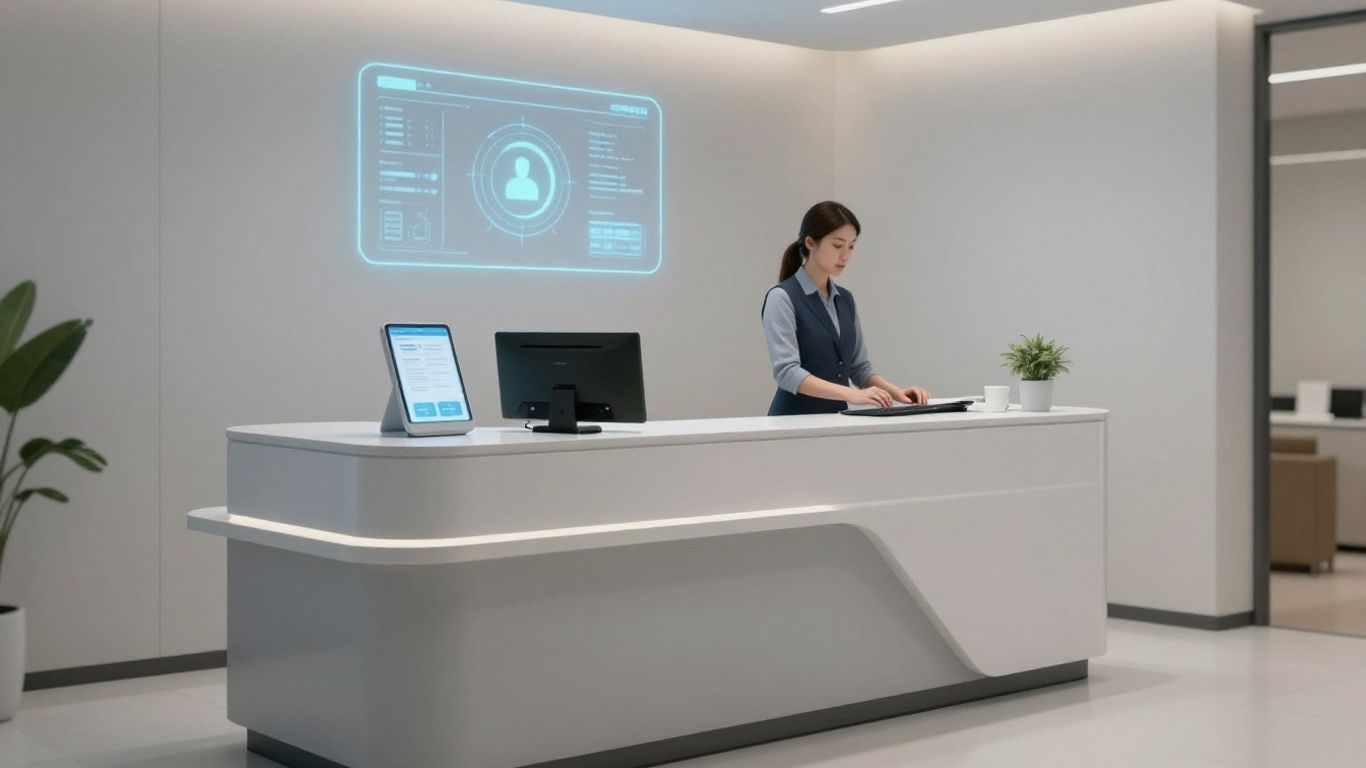
Getting AI to work with your existing systems isn't some futuristic dream; it's the practical next step. Think of it like adding a new, incredibly efficient team member who knows all your software. The goal is for the AI to talk to your current practice management software, your EHR, even your billing tools. This means when a patient books an appointment through the AI, that slot immediately shows up in your main scheduling calendar. No more double bookings or missed appointments because of a communication breakdown between systems. This two-way data flow is key.
This isn't just a one-way street where the AI just takes information. True integration means data flows both ways. For example, when the AI verifies a patient's insurance information, that confirmation should update directly in your billing system. Or, if your staff updates a patient's contact details in the EHR, the AI should be able to access that updated information for future calls. This constant, automatic sync keeps everything accurate and up-to-date across your entire practice. It’s like having a central brain that keeps all your different departments informed. Many AI solutions connect with over 9,000 apps, making your existing systems work together better. This kind of connectivity can save you a ton of time and stop you from having to manually enter data into multiple places.
What really makes an AI receptionist powerful is its ability to trigger specific actions based on conversations. Let’s say a patient calls to reschedule. The AI can not only find a new time but also automatically send a confirmation email and update the patient's record. Or, if a patient asks a common question about pre-appointment instructions, the AI can send them a text message with the details. You can set up these custom workflows so the AI handles routine tasks automatically, freeing up your human staff for more complex patient needs. It’s about building a system where the AI handles the predictable, so your team can focus on the personal. This proactive approach can really speed things up and improve how your clinic operates.
Getting an AI receptionist up and running smoothly involves a few key stages. You can't just expect it to work magic from day one. Here’s a general roadmap:
Your human staff are still super important. They need to know how the AI works and how their roles might shift. It’s not about replacing them, but about letting the AI handle the repetitive stuff so they can focus on more complex patient needs or direct care. Explain the 'Why': Help your team understand the benefits – less stress, more time for meaningful patient interaction. Define Escalation Paths: Clearly outline when and how the AI should hand off a call or query to a human team member. The goal is to create a partnership between your human team and the AI, where each complements the other's strengths. This synergy is what truly revolutionizes your clinic's operations.
People like to talk in different ways. Some want a quick text, others a call, and some might use a website chat. An AI receptionist can handle all of these. It sends reminders via text, answers phone questions, and responds to website messages. This makes it easier for patients to reach you on their terms. It’s like having a receptionist who can be in several places at once, talking to everyone how they prefer.
Even though it's AI, it doesn't have to sound like a robot. Using the info you give it, the AI can make interactions personal. It can greet patients by name, mention their appointment type, or even follow up after their visit. Imagine the AI sending a message after a flu shot: "Hope you're feeling well after your vaccination! Let us know if you have any concerns." This kind of tailored talk makes patients feel valued and remembered, which helps keep them coming back.
The key is making the AI feel helpful and accessible, not just automated. When patients can get the information they need, when they need it, and in a way that feels personal, they’re much more likely to feel good about your practice.
AI can do more than just book appointments. It can send out reminders for upcoming visits, follow-up messages after appointments, and answer common questions about your clinic's services or hours. This keeps patients informed and cuts down on simple calls your staff has to field. For example, an AI can send a text a day before an appointment: "Just a reminder about your appointment tomorrow at 10 AM. Please bring your insurance card." This simple nudge helps reduce no-shows significantly.
Clinic A was drowning in phone calls. Their front desk staff spent most of their day just trying to keep up, leaving patients on hold for ages. It was a mess. They brought in an AI receptionist to handle appointment bookings and answer common questions. Within months, things changed. Patients weren't stuck on the phone anymore. The staff could actually help people who were in the office. Patient satisfaction scores jumped 15%. Turns out, people just want to get through without a hassle.
Hospital B had a big problem with patients not showing up. They were missing chances to connect and remind people. So, they got an AI receptionist. This AI started sending out automated appointment reminders. It was simple, but it worked. Missed appointments went down by 20%. A little AI nudge goes a long way.
Practice C used an AI for intake forms, reminders, and even checking insurance. The results? Waiting room times dropped 25%. Operational costs fell 18%. And appointments started on time 35% more often. It shows that automating routine tasks makes everything run smoother and saves money, all while making patients happier.
AI isn't just about fancy tech. It's about making real improvements that everyone can feel. When the busywork is gone, your staff can focus on what matters: taking care of patients. It's a win-win.
AI front desk solutions are changing how businesses connect with customers. Imagine never missing a call or a potential lead again! These smart tools handle everything from answering questions to booking appointments, freeing up your team to focus on what they do best. See how these AI helpers can make a real difference for your business. Visit our website today to learn more and get started!
Look, getting new tech into a busy office isn't always easy. There's a learning curve, sure. But the payoff for getting your front desk sorted with AI is pretty clear. It's not about replacing people, it's about giving them tools to do their jobs better, and making things smoother for everyone. Patients get faster answers, staff get less busywork, and you get a practice that runs more like a well-oiled machine. If you're still on the fence, just think about what you could do with all that time and energy back. It’s probably more than you realize.
Think of an AI receptionist like a super-smart computer helper for your front desk. It can answer phones, schedule appointments, send reminders, and answer common questions, all automatically. It's like having an extra assistant who works 24/7 without needing breaks, so your human staff can focus on helping patients face-to-face.
Not at all! An AI receptionist is designed to handle the routine, repetitive tasks. This frees up your human staff to handle more important things, like talking to patients who need extra help, dealing with complex issues, and providing that personal touch that only a human can. It's more about helping your team do their best work.
It makes things much easier for patients! They can get answers to questions or book appointments anytime, even outside of office hours. Plus, they get faster responses and fewer missed appointments because the AI sends out timely reminders. This means patients feel more taken care of and less frustrated.
Most AI receptionist systems are built to work with the software you already use, like your scheduling or patient record systems. Setting them up is usually pretty straightforward, often taking just a few days. It's designed to make things smoother, not harder.
Yes! One of the best things about AI is its ability to handle many calls and tasks at the same time. Unlike a human receptionist who can only handle one or two things at once, an AI can manage tons of conversations and tasks simultaneously, so no one has to wait on hold for too long, even during busy times.
Actually, using an AI receptionist can save you money in the long run. It can lower your costs by reducing the need for extra staff, cutting down on errors, and decreasing missed appointments. While there's an initial setup, it often pays for itself pretty quickly by making your practice run more efficiently.
Start your free trial for My AI Front Desk today, it takes minutes to setup!


