
Running a pest control business means juggling a lot. You've got technicians in the field, chemicals to manage, and customers calling with urgent problems. It's easy for the phone to ring unanswered when everyone's busy. That's where an ai receptionist for pest control service comes in. Think of it as your always-on receptionist, ready to handle calls, book appointments, and keep things running smoothly, even when your team is swamped. This technology can really change how you do business, making things simpler and helping you connect better with your customers.
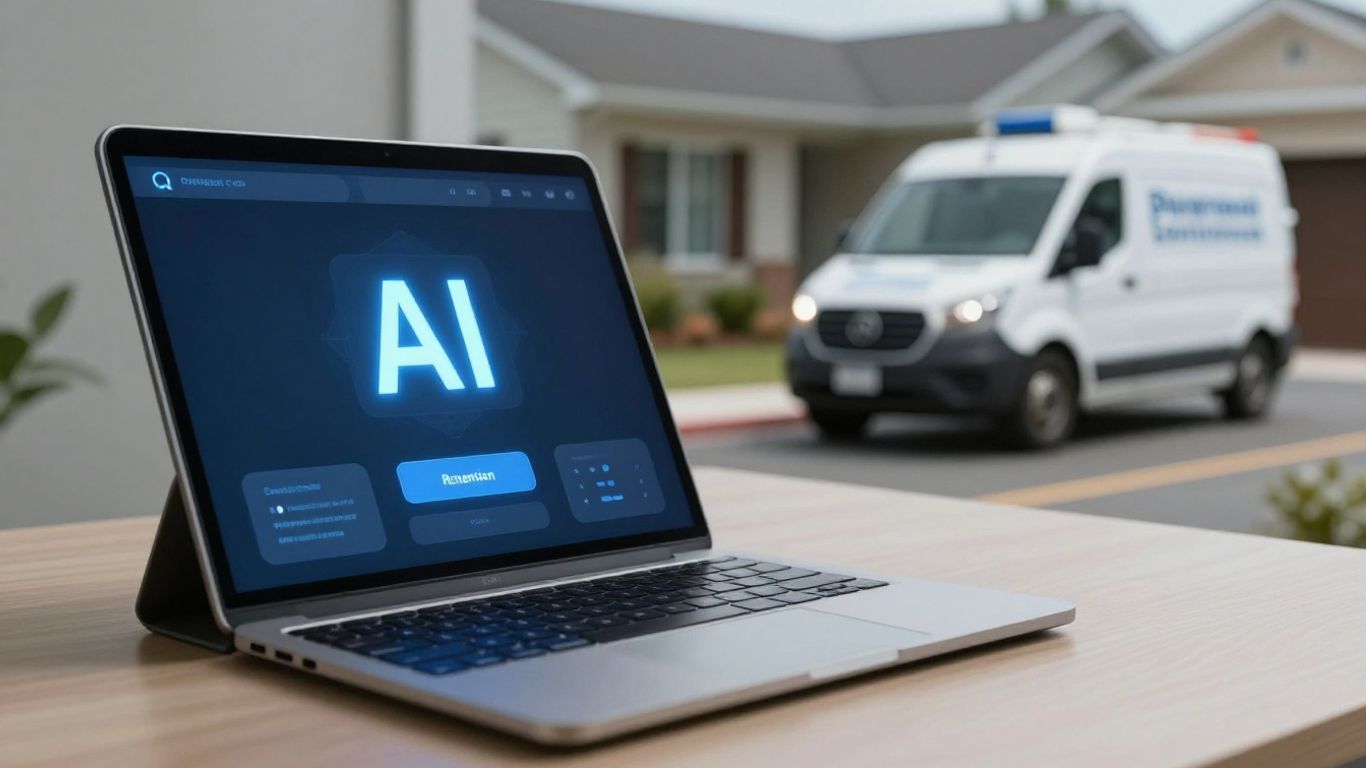
Most businesses think they lose customers to competitors. Often, it’s simpler than that: they just don’t answer the phone. When a call goes unanswered, people don’t wait. They move on. This is especially bad for pest control because problems like a mouse in the attic or a wasp nest don't care if it's 9 AM or 9 PM.
Your phone ringing at 10 PM isn't a nuisance; it's a potential customer ready to pay. If no one picks up, that money walks out the door. An AI receptionist acts like your always-on front desk. It’s there to grab those calls, answer basic questions, and even book appointments when your team is off the clock. This means you’re not losing business just because it’s after hours or a holiday. It’s a straightforward way to make sure every inquiry gets handled, turning late-night worries into scheduled service calls.
Think about it: when do pest problems usually pop up? Often, it’s not during your normal 9-to-5 business hours. Homeowners might discover a mouse in the kitchen at 10 PM or a wasp nest on a Sunday afternoon. If your phone line goes dead after hours, you're essentially telling those potential customers to find someone else. An AI receptionist provides that instant connection, offering a friendly voice and helpful information 24/7. This not only helps capture more leads but also makes customers feel like you’re a reliable service they can count on, any time of day or night. It builds trust and shows you’re serious about meeting their needs.
Your business doesn't stop just because the clock hits 5 PM, and neither should your lead generation. When someone finds a pest problem, they’re usually looking for an immediate solution. If they can’t get through to you, they’ll likely search for a competitor who can answer their call. An AI receptionist ensures that every call is answered instantly, so missed calls don’t turn into missed opportunities. The AI can gather details like location, the type of pest, and urgency, just like an experienced technician would. This information is then passed on, so your follow-up isn't starting from scratch but with context, speeding up quote times and improving conversion rates.
Think about the sheer volume of repetitive tasks that eat up your team's time. Scheduling, answering basic questions, sending reminders – it’s a constant drain. An AI receptionist can take over much of this. It’s not about replacing people; it’s about freeing them up for work that actually needs a human touch.
Your technicians are skilled professionals. They know how to deal with a wasp nest or a rodent problem. They shouldn't be spending their days on the phone booking appointments or confirming service calls. An AI can handle these tasks instantly, 24/7. This means your team can focus on what they do best: providing pest control services. When a technician arrives on-site, they'll already have the necessary information gathered by the AI, making the job smoother and faster. This isn't just about saving time; it's about making sure every job is done right the first time.
Consider the daily grind. Calls come in, messages pile up. An AI receptionist acts like an extra pair of hands, but without the coffee breaks. It can automatically transcribe voicemails, so you can quickly scan messages instead of listening to each one. It can send out appointment reminders, reducing no-shows. It can even gather initial details about a pest problem before a human ever speaks to the customer. This automation means fewer errors and less busywork for your staff.
Here's a quick look at what gets automated:
The real win here is shifting your team's focus. Instead of administrative tasks, they can concentrate on complex pest identification, customer education, or developing new service strategies. It’s about making their jobs more engaging and productive.
When your team isn't bogged down by administrative tasks, they can dedicate more time to the core services that make your business run. This means more time spent on actual pest control, customer consultations, and building relationships. It’s a simple equation: less time on paperwork and phone calls, more time solving pest problems. This not only improves your service quality but can also lead to higher job satisfaction for your employees. They get to do the work they were hired for, not the work an AI can do better.
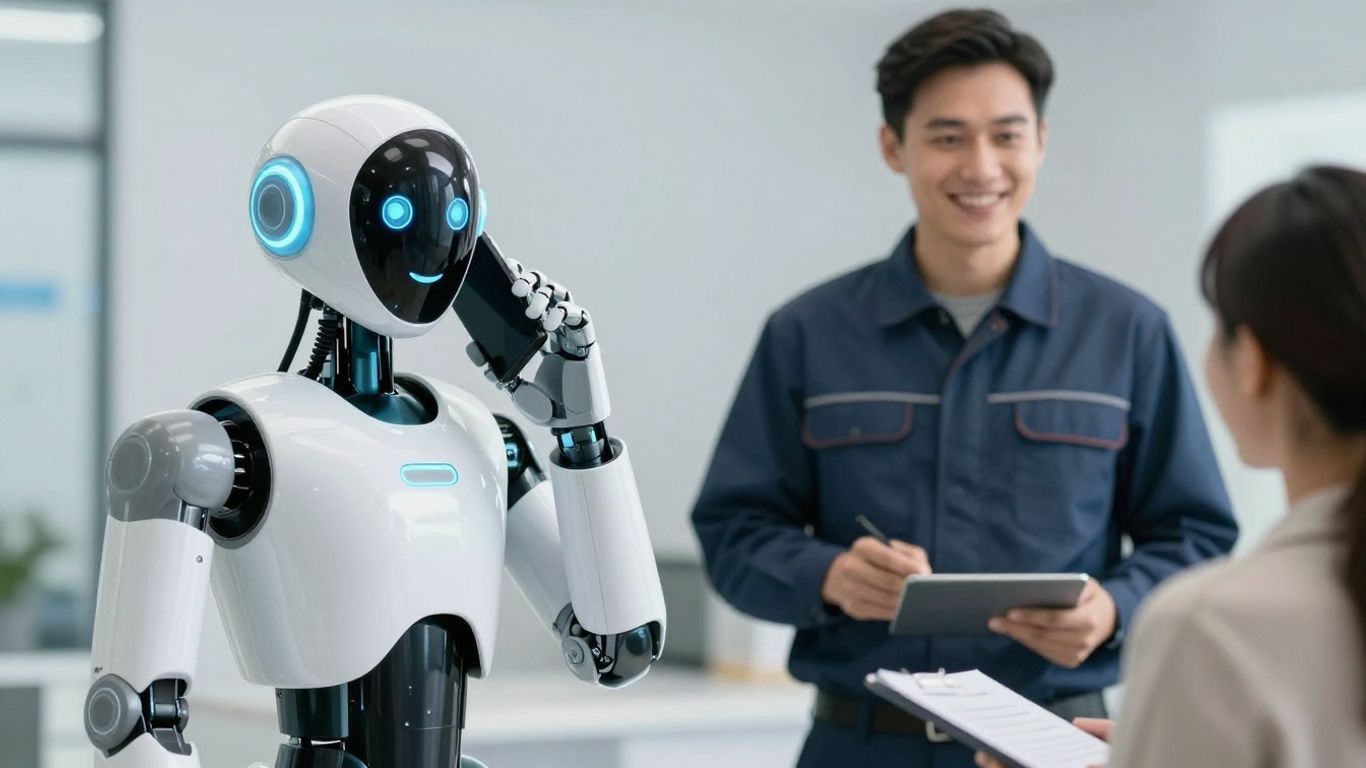
Customers want to feel heard, not just processed. An AI receptionist gets this. It doesn't just answer; it engages. Think about a homeowner calling about a wasp nest. The AI can immediately ask clarifying questions, gather basic details about the pest issue, and even offer immediate advice if appropriate. This kind of instant, helpful interaction makes a big difference. The AI can be programmed with specific responses tailored to common pest control inquiries, like identifying common insects or explaining treatment processes. This means customers get accurate information right away, building trust from the first contact. It’s about making every interaction count, no matter the time of day.
Nobody likes waiting. For a pest control business, long wait times can mean lost business. An AI receptionist handles calls simultaneously, so there's no more busy signals or endless hold music. If a customer needs to schedule an inspection, the AI can check technician availability in real-time and book it instantly. This speed is a game-changer. It means fewer missed opportunities and happier customers who feel their needs are being met promptly.
Human error is natural, but it can be costly in business. An AI receptionist provides a consistent experience every single time. It pulls information from a central knowledge base, so whether it's explaining service areas, pricing structures, or safety protocols, the answers are always the same and always correct. This consistency builds reliability and professionalism. Customers receive the same high-quality information regardless of who or what answers their call, which is great for maintaining a strong brand image.
The real impact isn't just about speed; it's about building trust. When customers get accurate, consistent answers quickly, they see your business as reliable and professional. This builds confidence from the very first interaction.
Here's how it works:
Running a pest control business means watching every dollar. You want to do a great job for your customers without spending a fortune, right? That's where an AI receptionist really makes sense. It's not just about having new tech; it's about being smart with your money.
Think about how much time your team spends on the phone. Booking appointments, answering simple questions, rescheduling – it all adds up. That's time they could be out in the field, actually doing the pest control work that brings in revenue. An AI receptionist handles these tasks automatically. This means fewer hours spent on admin, which directly lowers your labor costs. You're not paying for someone to sit at a desk answering calls; you're paying for a system that works all day and all night. This frees up your human staff to focus on what they do best.
Hiring a full-time receptionist or admin person costs a lot. You've got salary, benefits, training, office space, and equipment. When you compare that to the monthly fee for an AI receptionist, the savings are pretty obvious. A human receptionist might cost $3,000-$4,000 a month when you factor in everything. An AI solution can often be a fraction of that, sometimes just a few hundred dollars a month, depending on how much you use it. It's a way to have 24/7 coverage without the overhead of hiring someone.
What's also good is that AI receptionists are usually built to grow with your business. You can often start with a basic plan that covers what you need now and then upgrade as your call volume goes up. This means you're not overpaying for capacity you don't use. It's a flexible approach that fits your budget and your business needs as they change.
The real impact of an AI answering service isn't just about answering phones. It changes how your whole business operates, focusing on speed, preparation, and trust. When every call is answered instantly, opportunities stop slipping away. Customers don't hit voicemail. They don't wait. The conversation starts immediately, while they're still thinking about the problem.
Here's a quick look at potential savings:
These numbers show that an AI receptionist isn't just a convenience; it's a smart financial move for any pest control business looking to cut costs and operate more efficiently.
Think of your AI receptionist not as a standalone gadget, but as a new team member that needs to work with everyone else. It shouldn't create more work by being difficult to connect. Our system is built to play nice with the tools you already use. We're talking about your CRM, your calendar, your email – all of it.
We use Zapier, which is basically a universal translator for software. It lets our AI talk to over 9,000 different apps. So, when a customer books an appointment, that info doesn't just sit in the AI's memory. It zips over to your CRM, pops into your calendar, and can even kick off a follow-up task for your team. This means your data stays in sync without you lifting a finger. No more copying and pasting, no more missed details. It just works.
Your pest control business isn't exactly like the next one. You have your own way of doing things, specific questions you always ask, or maybe certain types of jobs that need to go to specific techs. Our AI receptionist can be molded to fit your exact needs. You can set up custom workflows, tell it what questions to ask, and how to route calls. It learns your business, not the other way around.
And when things get busy? Like, really busy? This AI doesn't sweat. It can handle an unlimited number of calls at once. Forget busy signals. Whether it's a sudden surge of calls after a local news segment or just a regular Tuesday rush, the AI scales up instantly. It's like having a phone system that's always ready for anything, without you needing to buy more lines or hire extra staff.
Getting this system up and running shouldn't feel like assembling IKEA furniture without instructions. We've made it straightforward. The goal is to get you from signing up to having your AI receptionist handling calls in about seven days. It's designed to be intuitive, so you and your team can focus on what you do best – pest control – not on figuring out complicated software.
Here’s a quick look at how it fits:
The real win here is that the AI becomes part of your existing operation, not a separate burden. It makes your whole system work better, faster, and without the usual headaches of managing communication.
AI isn't just about answering phones anymore. It's starting to get woven into the whole operation. Think about predicting infestations before they even start. That's where things are headed.
AI is getting smarter, fast. Systems can now analyze sensor data, cameras, and even weather patterns to guess when and where pests might pop up. This means technicians can get ahead of problems, using less chemical and being more precise. It's like having a crystal ball for bugs. This predictive power is a big step up from just reacting. Some systems even use drones for initial checks, cutting down on technician time spent on routine inspections. This lets your team focus on actual pest issues, not just finding them. We're seeing AI that can analyze data from sensors, cameras, and even weather patterns to predict when and where pests are likely to show up. This means technicians can get ahead of issues, using fewer chemicals and being more precise with their treatments. It’s like having a crystal ball for bugs. This predictive power is a major step up from just reacting to problems. For instance, systems are being developed that use drones for initial inspections, cutting down on the time technicians spend on routine checks. This allows your team to focus on the actual pest issues, not just finding them. You can explore how AI is being used to capture leads and manage customer service here.
Beyond scheduling, AI will play a bigger part in keeping customers happy. Imagine an AI that not only books a service but also gives instant, correct answers to common questions about treatments or pest behavior. It can also help with follow-ups, reminding customers about upcoming services or providing post-service care instructions. This kind of constant, round-the-clock support makes a difference in how customers see your business. It's about a smooth experience from first contact to final follow-up, making sure customers feel informed. This consistent, round-the-clock support can really make a difference in how customers perceive your business. It’s about providing a smooth experience from the first contact to the final follow-up, making sure customers feel well-informed. AI can also automate text message sending based on call content, improving efficiency and customer experience.
When looking at AI, it's not just about the price tag. Think about what you get. How much time does it save your staff? How many more appointments do you book because you're available 24/7? Does it reduce missed calls or lost leads? Try to figure out the potential return on your investment. Many services offer a free trial, a great way to test the waters before committing. It’s about finding that sweet spot where the benefits clearly outweigh the costs. You can see how an AI phone agent can help with reminders and qualifying leads here.
The world of pest control is on the cusp of some pretty big changes, thanks to artificial intelligence. It’s not just about automating phone calls anymore; AI is starting to get woven into the very fabric of how pest control companies operate, from the field to the office.
Ultimately, AI is going to change the pest control industry. It’s not about replacing people, but giving them better tools and more information. This leads to more efficient operations, happier customers, and potentially more sustainable practices. As AI becomes more accessible, more companies will adopt these tools to stay competitive. The goal is to make pest control smarter, faster, and more effective for everyone.
Imagine a world where smart technology helps keep creepy crawlies and unwanted critters away from your home or business. That's exactly what AI is starting to do in pest control! From using sensors to detect early signs of trouble to robots that can zap bugs, AI is making pest management smarter and more effective. This means fewer pests and a safer environment for everyone. Want to see how advanced AI can help your business? Visit our website to learn more!
Look, running a pest control business is tough. You're always busy, and the phone ringing can feel like just another thing to deal with. But an AI receptionist isn't some futuristic gadget; it's a practical tool that can actually make your life easier. It handles the calls, books the appointments, and generally keeps things moving so you can focus on the actual work. It’s simple, it works, and it’s probably time you looked into it.
Think of an AI receptionist as a smart computer helper for your pest control business. It can answer phone calls, help customers with common questions about your services, set up appointments, and even take messages when no one is available. It's like having a virtual assistant that works 24/7 to help your business run smoother.
An AI receptionist ensures you never miss a call, even after hours. This means more potential customers can reach you, leading to more appointments booked and more jobs completed. It also helps by automating tasks, freeing up your team to focus on providing great service, which makes customers happier and more likely to return.
Yes! An AI receptionist can handle many calls at the same time, so no customer gets a busy signal. It's programmed to answer common questions, gather information, and schedule appointments. If a call is too complex, it can be set up to transfer to a human team member.
AI receptionists are designed to understand and respond in a natural, conversational way. They can be trained to understand common pest control terms and questions. This helps provide prompt and accurate information, making customers feel heard and well-assisted, just like talking to a person.
Most AI receptionist services are designed to be easy to set up. You can often get started quickly without needing a lot of technical knowledge. Many systems offer simple dashboards to manage settings and track calls, and companies usually provide support to help you get it running smoothly.
Generally, yes. Hiring a human receptionist involves costs like salary, benefits, and office space. An AI receptionist typically has a lower monthly fee, especially when you consider it provides 24/7 service. This makes it a more cost-effective way to manage calls and customer inquiries for your pest control business.
Start your free trial for My AI Front Desk today, it takes minutes to setup!


