
Running a dental practice means you're always busy, and sometimes the phone just won't stop ringing. Patients expect answers and easy appointment booking, but your staff is already juggling a lot. That's where a 24/7 AI dental receptionist comes in. Think of it as a digital helper that can handle a lot of the routine stuff, freeing up your team to focus on what really matters: taking care of patients. It’s not about replacing your staff, but giving them a hand with the repetitive tasks so they can focus on providing great care.
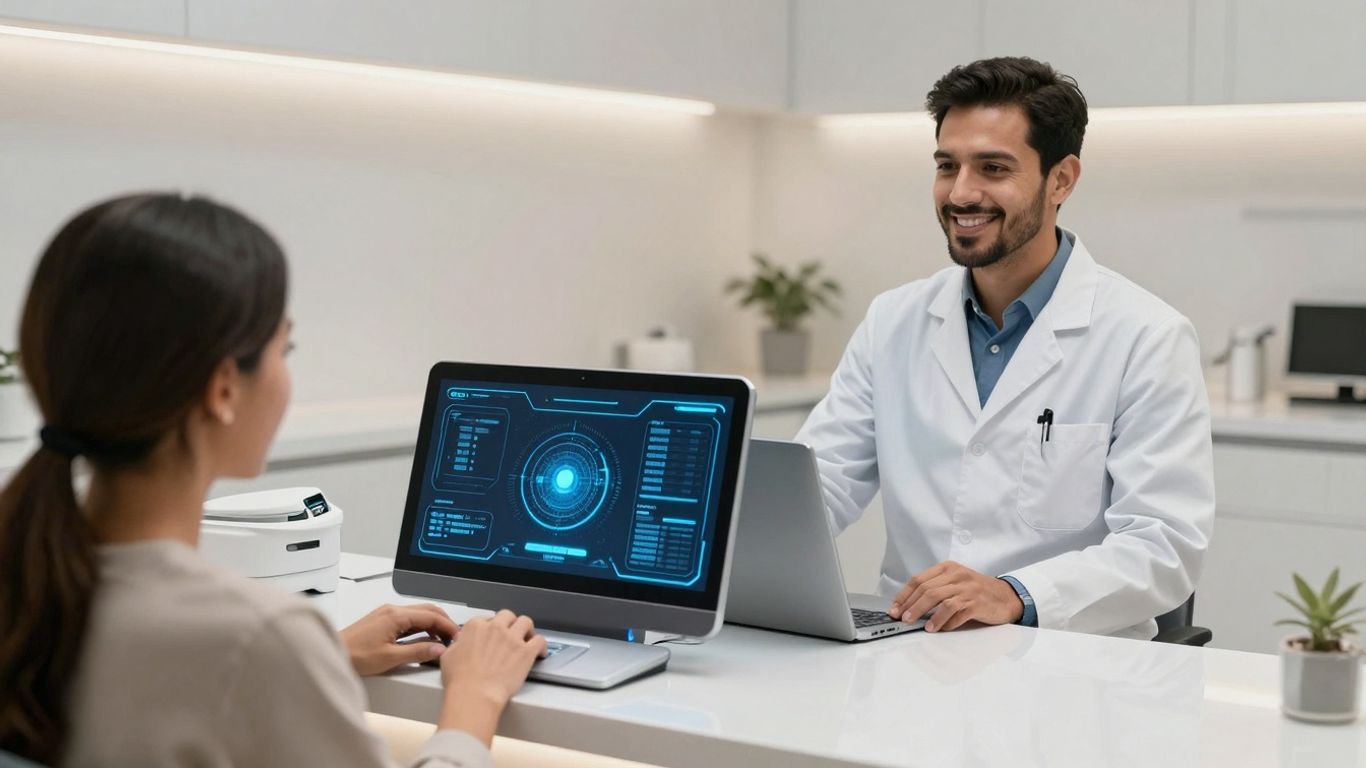
Think about it. Your practice closes, but patient questions don't. People call at all hours, looking for information, trying to book appointments, or needing to reschedule. If they hit voicemail, especially after hours, that's often a lost opportunity. Studies show practices can lose a significant amount of money each year just from missed calls. An AI receptionist means your phone is always answered. It's like having a dedicated front desk person who never sleeps, never takes a break, and is always ready to help.
Nobody likes being put on hold. When a patient calls, they want an answer, not a digital waiting room. An AI receptionist can handle inquiries instantly, 24 hours a day. It can answer common questions about services, office hours, or even basic billing information. This immediate interaction makes patients feel valued and taken care of, even if it's 10 PM on a Saturday. It’s a simple way to keep patients engaged and informed, no matter when they reach out.
Patients today expect convenience. They want to interact with your practice on their terms, not just during your business hours. Providing constant access through an AI receptionist significantly boosts patient satisfaction. They can book, reschedule, or cancel appointments anytime, from anywhere. This level of accessibility builds trust and loyalty. It shows you prioritize their needs, leading to a better overall patient experience and a stronger relationship with your practice.
Think about your front desk. It's the hub, right? Phones ringing, patients arriving, schedules to juggle. It’s a lot. An AI receptionist takes the repetitive stuff off their plate. This isn't about replacing people; it's about giving them room to breathe and focus on what humans do best – connecting with patients.
Scheduling can feel like a full-time job on its own. Patients call, they want to book, maybe reschedule. An AI can handle this. It can check availability, book appointments, and even send out confirmations automatically. This means fewer missed slots and less back-and-forth for your staff. It just… happens.
Your team is probably great at making patients feel comfortable. But are they spending too much time answering the same questions about office hours or insurance? An AI can field those calls. It frees up your human staff to handle more complex patient needs, like discussing treatment plans or just being present for someone who's anxious. Less busywork means less stress and more focus on patient care.
No-shows are a drain. An AI can send out appointment reminders and even handle confirmation responses. If a patient needs to reschedule, the AI can often manage that too, finding a new slot without human intervention. This keeps your schedule full and predictable, reducing those frustrating gaps.
Forget those clunky, robotic voices of the past. Today's AI receptionists talk like people. They're trained to listen, understand, and respond in a way that feels natural. This isn't about just spitting out facts; it's about making patients feel heard. They can handle the back-and-forth of a real conversation, asking clarifying questions and providing information without sounding like they're reading from a script. This human-like interaction is key to making patients feel comfortable and valued, even before they step into the office.
Think about all the repetitive questions your front desk team answers daily. "What are your hours?" "Do you take my insurance?" "How much does a cleaning cost?" An AI receptionist can handle these instantly, 24/7. It's like having a super-efficient team member who knows all the answers and never gets tired. This frees up your human staff to focus on more complex patient needs and in-office care, rather than being tied to the phone.
Your community is diverse, and your communication should be too. AI receptionists can be programmed to speak multiple languages. This means you can serve a wider patient base without needing to hire staff fluent in every language. It breaks down communication barriers, making your practice more accessible and welcoming to everyone. Imagine a patient calling and being greeted in their native tongue – it makes a big difference.
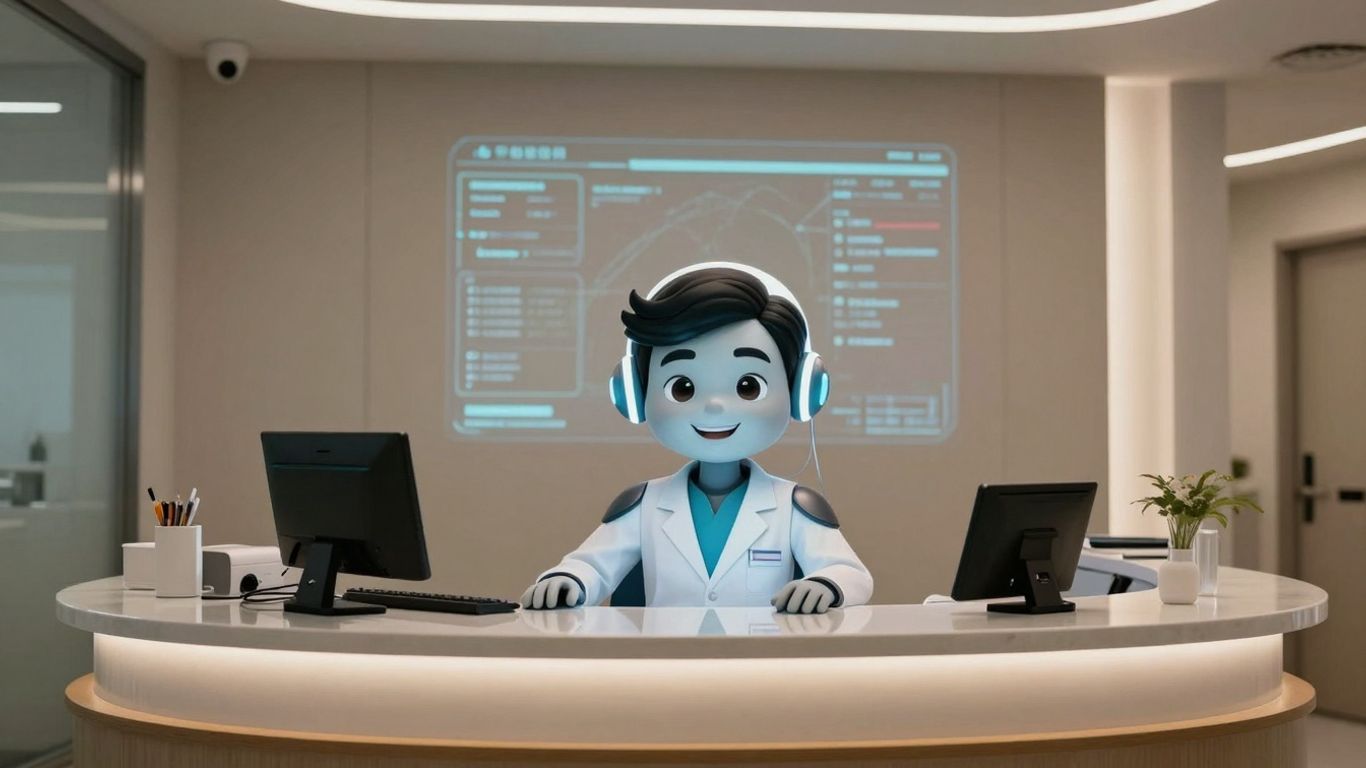
Getting new tech to play nice with what you already have can be a headache. It shouldn't be. The goal is to make things simpler, not add another puzzle piece that doesn't fit. Think of this AI receptionist like a new hire who already knows how to use all your existing tools. It connects directly with the software you're already using, so when it books an appointment, that info just lands in your calendar. No more copying and pasting or double-checking. It just works, keeping your schedule accurate and your staff in the loop.
What if your AI receptionist could do more than just answer phones? What if it could talk to almost any other app your business uses? That's where Zapier comes in. It's like a universal translator for your software. With Zapier, your AI receptionist can connect with over 9,000 different applications. This opens up a world of possibilities. For example, when the AI takes a message, it can automatically create a task in your project management tool or add a new lead to your CRM. It's about making all your systems work together, so information flows freely and tasks get done automatically. This kind of connection means less busywork for your team and more time focusing on what matters most. This integration isn't just connecting apps; it's transforming how you work. It's simple, but it's powerful. And it's going to change your business in ways you can't even imagine yet. Check out how it works with Zapier integrations.
It's not just about sending information out; it's about getting it back too. A truly integrated AI receptionist allows for two-way data flow. This means your AI can not only send information to your other systems but also receive updates from them. Imagine your AI receptionist checking your appointment calendar before confirming a booking, or updating a patient's record after a call. This constant back-and-forth keeps all your data in sync and up-to-date. It makes the AI smarter and more helpful, reducing errors and making your entire practice run more efficiently. It’s like having a digital assistant that’s always in the loop, making sure everything is coordinated perfectly.
When a call ends, or a voicemail is received, things can happen automatically. The AI can make a decision, and then actions follow. This means if the AI spots a need for a follow-up, a task can be created before you even think about it. If an important call comes in, your team can be notified faster than office gossip. An appointment is made? It's in your calendar. No human intervention required. This isn't just about convenience; it's about making sure nothing falls through the cracks and that your practice operates with maximum efficiency.
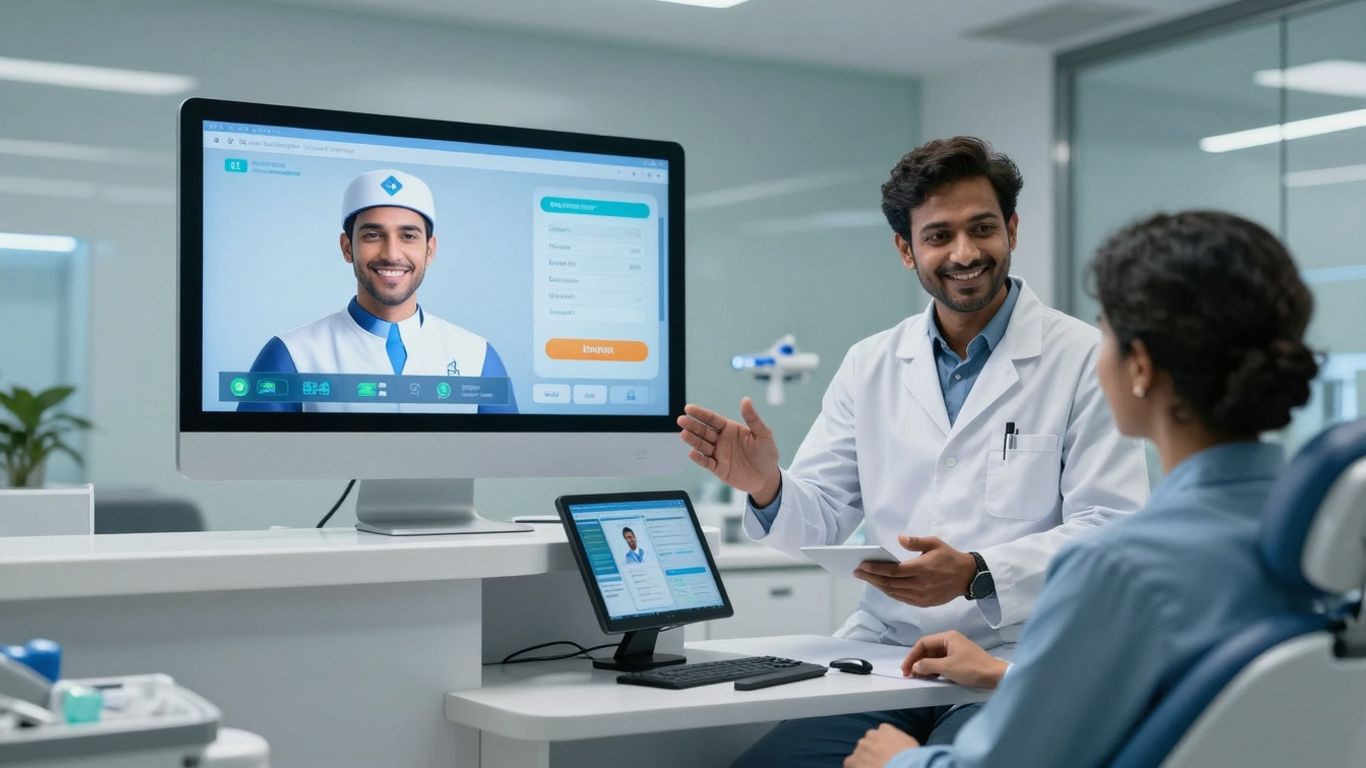
Voicemail can feel like a black hole sometimes. You know messages are coming in, but keeping track of them, especially when things get hectic, is tough. Our AI receptionist changes that. It doesn't just take messages; it makes them useful.
When a patient leaves a voicemail, the AI automatically converts it into text. This means you can read messages instead of listening to them, which is way faster. You can quickly scan through them to see what's important.
All these transcribed messages are kept in one place. No more digging through old voicemails or trying to remember who called about what. Everything is logged and easy to find. It’s like having a digital assistant who keeps perfect notes.
As soon as a new message comes in, you get an alert. This way, you know right away if someone needs urgent attention. You can respond faster, which patients appreciate. It stops those missed opportunities that happen when messages get buried.
This system turns what used to be a passive inbox into an active part of your communication flow. You see the message, you know its importance, and you can act on it quickly. It's about making sure no patient feels ignored, even when your staff is swamped.
Think about your busiest days. The phone rings off the hook, your staff is swamped, and patients are left on hold. It’s a common problem, but one that has a simple fix. Unlike a human receptionist who can only manage one or two calls at a time, an AI receptionist doesn't have that limitation. It can genuinely handle hundreds, even thousands, of calls all at once. This isn't just about answering more calls; it's about ensuring no patient feels ignored, especially during unexpected rushes after a marketing push or during peak appointment booking times. Your practice’s communication capacity scales instantly, without needing to hire or train more people. It means every single patient gets through, no matter how busy things get.
Voicemail can feel like a black hole for missed opportunities. How many times has a potential patient left a message, only for it to get buried or not returned promptly? An AI receptionist changes that. It can actively listen to voicemails or process text messages, pull out key info like the caller's name, number, and reason for calling, and then organize it for your staff. Some systems can even flag high-priority calls, like inquiries about expensive cosmetic procedures, so your team knows who to call back first. This proactive approach turns voicemails from a passive record into an active lead-generation tool. It’s like having a front desk team that can instantly multiply to meet demand.
When your office is swamped, human staff can get stressed, leading to potential errors or a dip in service quality. An AI receptionist, however, performs consistently, no matter the volume. It doesn't get tired, flustered, or overwhelmed. This means patients receive the same professional and helpful interaction whether it's the first call of the day or the hundredth call during a busy afternoon. This level of dependable service builds patient trust and satisfaction, even when your practice is at its busiest. It’s like giving your business a superpower. It's the kind of thing that makes you wonder how you ever lived without it.
You're in charge here. Think of the AI receptionist not as a wild beast, but as a tool you can precisely tune. It’s about making sure it works for you, not the other way around.
This isn't complicated. You tell the AI when to be on duty. If your practice operates from 9 AM to 5 PM, Monday through Friday, that's when the AI should be active. It means no more automated greetings at 2 AM on a Sunday unless you specifically want that. It respects your business hours, so patients get the right message at the right time. It’s about context. A call at 9 AM on a Tuesday is different from a call on a holiday. The AI needs to know the difference.
This is where you keep things sensible. You can set a cap on how many minutes the AI receptionist can be active each day, week, or month. It’s like setting a budget for your phone answering service. If you’re worried about costs, or if you just want to make sure you’re not overspending, this is the feature for you. You get alerts when you’re getting close to the limit. If the limit is hit, you can decide what happens next – maybe it goes to voicemail, or maybe it forwards to a human. It’s about predictable spending and making sure the AI is used where it’s most needed.
Your practice isn't the same year-round. There are holidays, busy seasons, and maybe even times when you’re closed for staff training. The AI can be programmed to understand these variations. It can automatically adjust its active times or greetings for holidays like Christmas or Thanksgiving. If you have a seasonal rush, you can temporarily increase its active minutes. It can also handle different time zones if you have patients calling from afar. This keeps your communication relevant and professional, no matter the calendar date or clock time. It’s about making the AI work with your reality, not against it.
Want to make sure your AI receptionist is working its best? We can help you get the most out of it. Learn how to manage and improve how your AI receptionist handles calls and tasks. Ready to see how much better it can be? Visit our website to find out more!
Look, running a dental practice is tough. You've got patients to care for, staff to manage, and a business to keep afloat. Adding a 24/7 AI receptionist isn't about chasing the latest tech fad; it's about making your life simpler and your practice more effective. It handles the calls, the scheduling, the basic questions, freeing up your team to do what they do best. It’s not about replacing people, it’s about giving them better tools. This isn't some far-off dream; it's here, it's working, and it's ready to make a real difference. Give it a try.
Think of an AI receptionist as a super-smart computer helper for your dental office. It can answer phone calls and texts, schedule appointments, and answer common questions patients might have, all on its own. It's like having an extra team member who works 24/7 without needing breaks.
Yes, these AI receptionists are designed to sound very natural when they talk, either on the phone or through text messages. They can understand what patients are asking and respond in a way that feels like you're talking to a real person.
Definitely! The AI can answer calls and help patients book appointments anytime, even when your office is closed. This means fewer missed calls and more chances to fill up your appointment schedule, which can lead to more patients.
These AI helpers are incredibly quick! They can answer questions or respond to messages in just a few milliseconds, which is much faster than a human. This speed helps keep conversations flowing smoothly and makes patients feel like they're getting immediate attention.
Not at all! Setting up an AI receptionist is usually quite simple. You can often get one running in less than an hour by just telling it about your practice and how you want it to help patients. It's designed to be easy to use.
Yes, an AI receptionist can handle as many calls or text messages as come in, all at once. It doesn't get overwhelmed during busy times, ensuring that every patient gets a response, no matter how many people are trying to reach you.
Start your free trial for My AI Front Desk today, it takes minutes to setup!


