
Running a big dental group means a lot of moving parts, right? Phones ringing off the hook, appointments to keep track of, patients needing help at all hours. It can get pretty hectic. What if there was a way to make all that smoother, so your team could focus on what really matters – patient care? That's where an ai receptionist for large dental groups comes into play. It's like having an extra set of hands, but digital, that can handle a ton of tasks without breaking a sweat. Think about less stress, fewer missed opportunities, and happier patients. It’s not science fiction anymore; it’s a real tool that’s changing how dental practices operate.
Running a large dental group means juggling a lot. Phones ringing off the hook, appointments to manage, patient data to keep secure – it’s a constant balancing act. This is where AI receptionists step in, not as a replacement, but as a serious upgrade to how things get done.
Remember the endless back-and-forth trying to book a simple check-up? Those days are pretty much over. AI receptionists handle this automatically. They can book new patient visits, reschedule appointments to cut down on no-shows, and send out reminders. This isn't just about convenience; it frees up your human staff to focus on patients who are actually in the office, rather than being stuck on the phone.
When it comes to patient information, security isn't optional. AI systems are built with compliance in mind. They can manage patient data securely, reducing the risk of human error that can lead to breaches. Think of it as having a digital vault that’s always locked and logged, making sure you’re meeting all the necessary regulations without breaking a sweat.
Let's talk numbers. Hiring and training front desk staff for a large group adds up. AI receptionists can handle a significant portion of the workload, meaning you might not need as many people on the phones. Plus, by reducing missed appointments through automated reminders, you’re directly impacting revenue. It’s about making your operations leaner and more cost-effective, allowing you to invest more in patient care or other critical areas.

People don't just need dental care during business hours. Emergencies happen, questions pop up late at night, or maybe someone just remembers they need to book a cleaning at 10 PM. An AI receptionist is always on. It doesn't sleep, take breaks, or call in sick. This means patients can get help, book appointments, or ask basic questions anytime, day or night. It’s like having a front desk that never closes. This constant availability makes patients feel looked after, reducing frustration and making it easier for them to stay on top of their dental health.
AI can do more than just answer questions. It can remember things. When a patient calls, the AI can access their history – maybe they prefer a certain dentist, or they're due for a specific type of cleaning. It can use this info to make the conversation feel more personal. Instead of a generic greeting, it might say, "Hi Sarah, are you calling about your upcoming check-up with Dr. Lee?" This level of detail makes patients feel recognized and valued, not just like another number. It shows you're paying attention, even when a human isn't directly on the line.
Every missed call is a potential patient lost. If someone can't get through, they'll likely call the next practice on their list. An AI receptionist handles calls non-stop. It can manage many conversations at once, so no one gets a busy signal. This means fewer missed opportunities for appointments, fewer lost patients, and ultimately, more revenue for the practice. It's a simple equation: more answered calls equal more booked appointments.
Think of your practice management software as the brain of your operation. It holds all the patient data, schedules, and treatment plans. Now, imagine an AI receptionist that can talk directly to that brain. That's what we're talking about here. It's not about replacing your existing systems; it's about making them work together better.
Most AI receptionist tools aren't built in a vacuum. They're designed to plug into what you already use. This means your current software, whether it's a cloud-based system or something older, can likely connect. The goal is to avoid creating more work. If the AI can pull patient info directly from your system to book an appointment, that's a win. No double entry, no copying and pasting. It just works.
Zapier is like a universal translator for different software. If your AI receptionist and your practice management system don't talk directly, Zapier can often bridge the gap. You can set up 'zaps' – simple automated workflows. For example, when the AI receptionist books a new appointment, a zap can automatically add that to your practice management calendar. Or, if a patient leaves a voicemail, a zap could transcribe it and send it to your team via email.
This connectivity is key.
The real magic happens when data flows smoothly between systems. When an AI receptionist updates a patient's contact information, that change should appear in your practice management software instantly. No delays, no errors. This keeps everything accurate and up-to-date. It means your staff isn't chasing down information or correcting mistakes. It's about making sure the AI receptionist and your core systems are always on the same page, all the time.
Think about the sheer volume of repetitive tasks that bog down a busy dental office. Appointment confirmations, follow-up messages, basic patient questions – they all eat up valuable staff time. This is where intelligent automation steps in, not as a replacement for human interaction, but as a powerful assistant.
Voicemails can be a black hole for information. An AI receptionist turns them into actionable text. When a message comes in, the AI transcribes it automatically. This means no more listening to fuzzy recordings or trying to decipher hurried messages. The transcribed text is then organized, making it easy to review and respond. It’s like having a super-efficient secretary who never misses a detail. This system ensures you never miss important messages, even when you can't answer calls directly. It's an efficient way to manage communication and stay on top of your business needs.
Remember the panic when the phone lines were all busy? That's a problem of the past. An AI receptionist can handle an unlimited number of calls simultaneously. It doesn't get overwhelmed or put people on hold indefinitely. This means every patient gets attention, regardless of how many others are calling at the same time. It’s like giving your practice a phone system that doesn’t flinch, no matter the demand. This feature is like giving your business a superpower.
Beyond just calls, AI can manage text and email communication. Based on the content of a call or a patient's inquiry, the AI can automatically send out relevant text messages or emails. This could be appointment reminders, pre-visit instructions, or answers to frequently asked questions. It keeps patients informed and engaged without requiring constant manual input from your staff. This feature leverages AI to automate text message sending based on call content, improving efficiency and patient experience. It's a game-changer for keeping everyone in the loop.
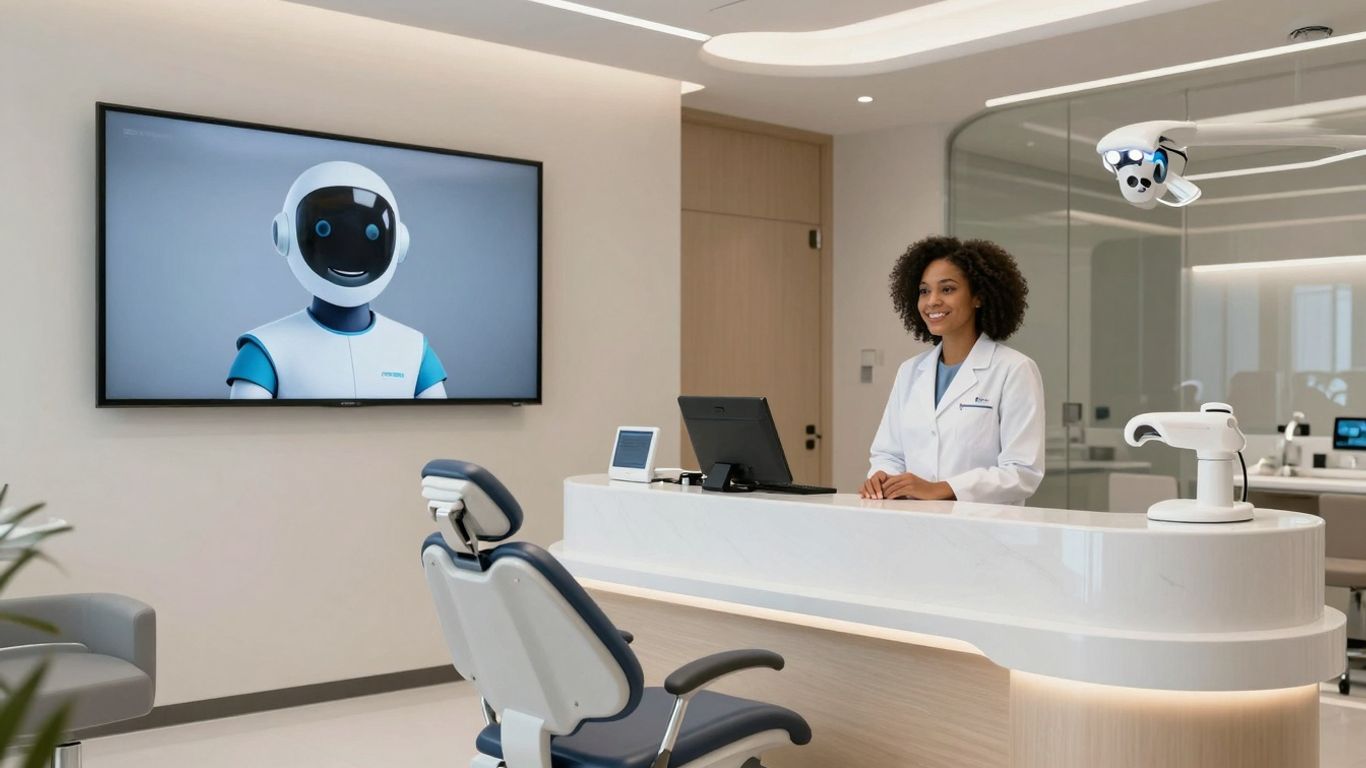
Running a large dental group means keeping an eye on the bottom line. You've got overheads, staff, and a whole lot of operational expenses. This is where AI receptionists really shine, not just by making things smoother, but by making them cheaper and more predictable.
This is a big one for controlling costs. You can set a hard limit on how many minutes the AI receptionist is active each day, week, or month. Think of it like setting a budget for your front desk. If you know you only need, say, 500 AI minutes a month, you just set that cap. The system won't go over it. This means no surprise bills because the AI was suddenly handling a surge of calls. It keeps your expenses in check and makes budgeting straightforward. You can even set up alerts to let you know when you're getting close to your limit, giving you time to adjust or decide if you need more capacity.
Beyond just setting a maximum, you need to see how it's all adding up. The AI receptionist platform should give you clear reports on usage. You can track how many minutes are being used, when they're being used, and what for. This data is gold. It helps you understand your peak times and maybe even adjust staffing or workflows. For instance, if you see the AI is consistently maxing out its minutes on Monday mornings, you might schedule an extra human staff member for that specific window. It’s about using the AI intelligently, not just letting it run wild. This kind of oversight prevents overspending and ensures you're getting the most value from the technology.
Nobody likes a bill that's way higher than expected. With AI receptionists, the goal is predictable billing. By setting those minute limits and having clear usage tracking, you eliminate most of the guesswork. The system is designed to work within the parameters you set. If a call goes beyond the AI's capability or hits a pre-defined limit, it can be set to automatically transfer to voicemail or a human agent, preventing endless AI interaction that racks up costs. It’s about having control and transparency, so you know exactly what you’re paying for and why. This predictability is key for financial planning in a large group practice.

Think about how conversations actually work. They're a back-and-forth, a rhythm. If one person is always lagging, the whole thing falls apart. That's what we've fixed. Our AI receptionist doesn't just answer calls; it responds in milliseconds. This isn't some minor detail. It means the AI can keep up with a real person talking, without awkward pauses or that robotic feel. It’s fast enough that you forget you’re not talking to a human.
It's not just about speed, though. The AI can actually figure out what you're saying, even if it's not perfectly clear. It can handle complicated questions and understand the little details in what people say. This means it doesn't get stuck on simple scripts. It can deal with real-world situations, the kind that trip up simpler systems. It’s like having someone who’s not just quick, but also smart.
Most people have had bad experiences with automated systems. Long waits, getting bounced around, not being understood. It’s a pain. Our AI changes that. By being fast and smart, it turns those frustrating moments into something easy and straightforward. It makes the whole process feel less like dealing with a machine and more like getting help from someone who knows what they’re doing. This makes patients happier and makes your practice look better.
Artificial intelligence is getting faster and smarter every day. It can handle many tasks quickly and efficiently. Want to see how AI can help your business? Visit our website to learn more about our AI solutions and how they can boost your productivity. Discover the power of AI today!
Look, large dental groups have a lot going on. Trying to keep up with calls, appointments, and patient needs while also running a business is tough. AI receptionists aren't some futuristic gadget anymore; they're a practical tool that handles the noise so your team can focus on what matters – patient care. It's about making things smoother, cutting down on errors, and frankly, making your practice run better. If you're not looking at this now, you're probably going to regret it later.
Think of an AI receptionist as a super-smart computer program that can answer phones, schedule appointments, and chat with patients just like a human receptionist would, but it works all day and all night without getting tired. It's designed to make things easier for both the dental office and the patients.
An AI receptionist can handle many tasks that usually take up your human staff's time. This includes booking and changing appointments, answering common questions, and even taking messages. This frees up your team to focus on taking care of patients in the office and helps make sure no calls are ever missed, even after hours.
Yes! These AI systems are built to understand conversations really well. They can figure out what people are asking, even if they don't speak perfectly clearly, and respond in a way that sounds natural. It's like talking to a helpful assistant who's always ready.
Not at all! Most AI receptionist systems are made to connect easily with the software you're already using, like your practice management system. This means your patient information stays organized and up-to-date without a lot of extra work. It's designed to fit right in.
Definitely. Unlike a human receptionist who can only handle one call at a time, an AI receptionist can manage tons of calls all at the same time. This means no patient has to wait on hold for long, and your practice won't miss out on potential new patients because the phone lines are busy.
By taking care of many routine tasks, an AI receptionist can reduce the need for extra administrative staff, saving on salaries and training costs. Plus, by reducing missed calls and appointment no-shows, it helps bring in more patients and revenue. You can also set limits on how much it's used to keep costs predictable.
Start your free trial for My AI Front Desk today, it takes minutes to setup!


