
Lead management in 2025 is getting a serious upgrade. Forget the old ways of chasing down every potential customer; AI-enhanced CRM tools for lead management 2025 are here to make things way smarter and faster. These tools aren't just about organizing contacts anymore. They're about understanding leads, talking to them instantly, and making sure your sales team always knows who to focus on. It's a big shift, and if you're not paying attention, you're going to get left behind.
Legacy CRMs are like old filing cabinets. They hold data, sure, but finding anything specific feels like a treasure hunt. AI changes that. It doesn't just organize; it understands. Think of it as a brain for your customer data, automatically sorting and connecting information based on actual conversations and interactions.
Old systems require constant manual input. You tag, you categorize, you update. It's tedious and prone to error. AI-powered CRMs, on the other hand, learn from the data they process. They can automatically categorize leads, flag important interactions, and even predict follow-up needs without you lifting a finger. This isn't just about saving time; it's about having a system that actually works for you, not against you. It means your sales team spends less time on data entry and more time selling.
Many CRMs now have AI bolted on. An AI-native CRM is built from the ground up with AI at its core. This means data flows naturally between different functions. Instead of separate modules that barely talk to each other, you get a unified system where AI insights are available everywhere. This makes things like lead scoring more accurate because the AI has a complete picture, not just a partial one. It's the difference between a collection of tools and a truly integrated platform.
Ever stared at a CRM interface and felt overwhelmed? Dropdown menus, custom fields, complex workflows – it's a lot. AI-native systems aim to simplify this. The AI handles much of the complex decision-making and organization behind the scenes. You interact with a cleaner interface that focuses on what matters: connecting with customers. The system learns your preferences and adapts, reducing the need for constant manual configuration. It's about making powerful technology accessible, not intimidating.

Forget those clunky forms that feel like a chore to fill out. In 2025, capturing leads is about being there, instantly, and knowing what they need before they even ask. This is where AI really shines.
Your business doesn't sleep, so why should your lead capture? An AI front desk acts like a tireless receptionist, available around the clock. It's not just about answering calls after hours; it's about engaging every single visitor, every single time. Think of it as a digital concierge that can handle initial inquiries, gather basic information, and even qualify interest, all without a coffee break.
Voicemails used to be a black hole. You'd get a message, maybe jot down a note, and hope you remembered to call back. Now, AI transcribes those voicemails instantly. You get the message as text, right away, organized and searchable. No more scrubbing through audio files or deciphering mumbled numbers. It’s about making every piece of communication actionable, immediately.
Remember the panic of a busy signal? That's a relic of the past. AI systems can handle an unlimited number of calls simultaneously. Whether it's a sudden marketing surge or just a busy Tuesday, your system won't buckle. Every caller gets through, every inquiry is handled. This isn't just about capacity; it's about never missing an opportunity because your phone lines were full.
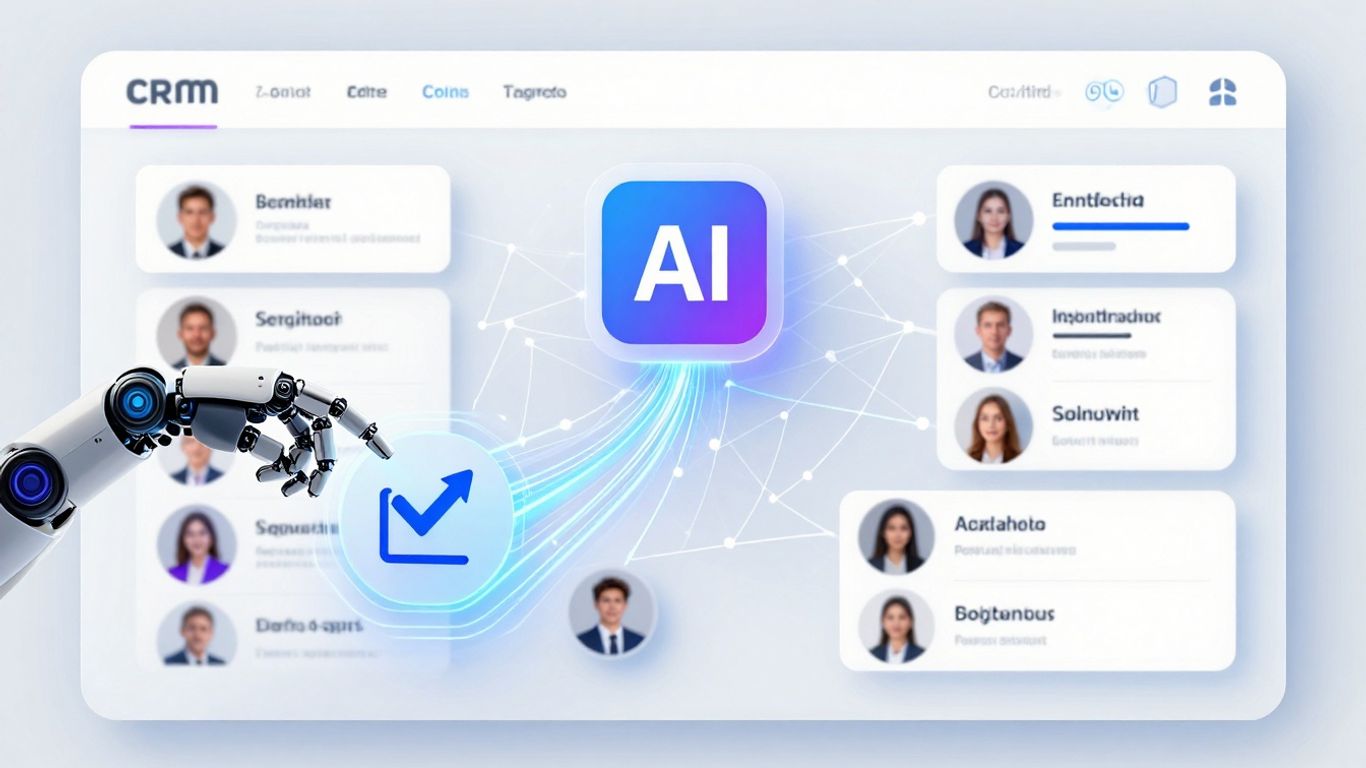
This is where the real magic happens. Once you've got a lead, you don't want them going cold. AI tools can keep them warm, even when you're busy.
Imagine this: a potential customer is on the phone, asking about pricing. Instead of fumbling for a document or trying to remember a discount code, your AI can instantly send them a text with your current rate sheet and a special offer. You just set up the rules in plain English. For example, "If the caller asks about pricing, text them our rate sheet." The AI picks up on the conversation's intent and fires off the text. It’s like having a super-efficient assistant who knows exactly what to send and when, without interrupting the flow of the call. This works for sending links to product specs, booking calendar slots, or even sharing promotion codes. It makes the interaction smoother and gives the lead the info they need, right when they need it.
Nobody likes talking to a slow robot. It kills the vibe. Our AI responds in milliseconds. That’s fast enough to keep up with a normal conversation. Think of it like a dance – a slow partner ruins the rhythm. A fast one keeps you on your toes. This speed means interactions feel natural, not frustrating. It’s the difference between talking to a machine and talking to someone who’s incredibly sharp and always ready with an answer. We’re always working to make it even faster because, in conversation, every bit of responsiveness counts.
Generic emails get ignored. AI changes that. It looks at all the data you have on a lead – their past interactions, what they’ve looked at on your site, even their industry – and helps you craft messages that actually make sense to them. It’s not just about using their name; it’s about talking about their specific needs or interests. This makes your outreach feel less like spam and more like a helpful conversation. The AI can even suggest the best time to send a message or help write subject lines that get opened. It’s about building a real connection, not just sending out mass messages.
Look, most businesses are a mess of disconnected tools. You've got your CRM here, your communication app there, maybe some project management software tucked away somewhere else. It's like trying to run a marathon with one shoe on. AI changes that. It acts like the glue, or maybe more accurately, the nervous system, that connects everything.
Zapier is the obvious example here. It's not just about connecting two apps; it's about building automated workflows that span your entire tech stack. Think of it as the central hub. When your AI receptionist finishes a call, it doesn't just log it internally. It can instantly update your CRM, create a follow-up task for a sales rep, or even send a notification to your team. This isn't some futuristic dream; it's happening now. It means less manual data entry, fewer missed steps, and a business that actually moves at the speed of your AI.
This is where things get really interesting. Forget waiting for nightly batch updates. AI-powered integration means data flows in real-time. A lead captured by your AI front desk is immediately available in your sales pipeline. A customer's query during a call is logged against their profile. This constant, up-to-the-minute sync means everyone in your organization is working with the same, accurate information. It cuts down on confusion and speeds up decision-making. It’s like having a crystal ball for your business operations.
AI doesn't just move data; it understands context. If a call indicates a need for follow-up, the AI can automatically create a task for the right person. If a high-priority lead comes in after hours, it can trigger an immediate notification to your on-call team. This proactive approach means opportunities aren't lost because someone forgot to write something down or check an email. It's about building systems that anticipate needs and act on them before you even have to think about it. This is how you stop reacting and start leading.
Think of your AI receptionist like a utility. You wouldn't leave the lights on all day if no one's in the room, right? Same idea here. You can set limits on how many minutes the AI is active. This means you can cap usage per day, week, or month. It’s a straightforward way to keep your expenses in check. No more surprise bills because the AI was a bit too chatty. You get alerts when you're getting close to the limit, so you can adjust things before you go over. This is great for managing budgets, especially if you have busy seasons and slow seasons. You can just dial the minutes up or down as needed.
Knowing how much you're using is key. The system tracks AI receptionist usage in real-time. This isn't just for show; it helps you understand when your AI is busiest. You can see patterns, maybe notice that most calls come in during specific hours. This data can inform your business processes. Plus, it makes billing predictable. Instead of guessing, you know what to expect based on actual usage. It’s like having a meter running, but for your AI calls. This foresight helps in planning your budget more accurately and avoids those awkward conversations about unexpected charges.
What happens when you hit your minute limit? That’s where overflow options come in. You decide what the AI should do. It could simply switch to voicemail, forward the call to a human, or perhaps send a text message. This flexibility means you don't lose a lead just because you hit a pre-set cap. You can configure these actions based on what makes sense for your business. Maybe after hours, it goes straight to voicemail, but during the day, it forwards to a live person. It’s about having control, even when you’re at your limit.

Look, the AI wave isn't just for the big players anymore. There's a real chance here for smaller outfits, even individuals, to get in on the ground floor of AI-powered lead management. Think of it like this: you're not building the engine, you're building the car around it. This means you can offer cutting-edge AI services without the massive R&D costs.
This is where it gets interesting. You can take these powerful AI tools and slap your own brand on them. It’s like having a secret recipe that everyone wants, but you’re the one selling the finished cake. You get a fully brandable solution, including a dashboard that can even be embedded on your own website. Your clients see your logo, your company name, from start to finish. This builds your brand, not someone else's. You control the pricing, the marketing, and the customer relationship. It’s a straightforward way to become an AI solutions provider, fast.
What’s the best part? You don't need a huge team or a massive office. The AI does the heavy lifting. You're essentially selling access to a sophisticated system. This means your costs stay low while your potential revenue scales up. Imagine signing up a few clients at, say, $250-$500 a month each. With minimal overhead, the profit margins can be pretty sweet. The barrier to entry is also surprisingly low; you might only need to commit to a handful of accounts to get started. This lets you test the waters and grow organically. It’s a model that works whether you’re a seasoned agency or just starting out.
Don't worry if you're not an AI guru. The good news is you don't have to be. The companies providing these white-label solutions usually offer solid support. We're talking about regular check-ins, private channels to talk directly with the founders or engineers, and plenty of training materials. You'll get video tutorials, documentation, and even sales strategy advice. They want you to succeed because your success is their success. This means you can focus on selling and client management, knowing you have a reliable tech partner behind you. It’s about building a sustainable business, not just a quick flip. You can offer your clients advanced features like 24/7 AI Front Desk capabilities, and know you have the backing to support it.
Think about the last time you had to do a bunch of small, connected things. Maybe it was booking a trip, or setting up a new service. You had to find information, compare options, fill out forms, confirm details, and then maybe follow up. It’s a process. Now, imagine an AI that can handle that whole process for you. Not just one step, but the whole sequence. This isn't about an AI answering a single question; it's about an AI agent that can manage a multi-step task from start to finish. It's like having a personal assistant who actually gets things done without you having to break down every single action.
Right now, we often interact with AI in specific places – a chatbot on a website, a voice assistant on a phone. Ambient AI is different. It's about AI being present everywhere, in the background, making things smoother without you even noticing it's there. It's like the air conditioning in a room; you don't think about it until it's not working. For lead management, this means AI could be listening to a sales call, automatically updating your CRM, and then sending a follow-up email, all without you having to initiate any of those actions. It's about making the entire customer journey intelligent, not just isolated touchpoints.
We're used to our AI helping us. But what about the buyer's AI? Imagine a potential customer has an AI assistant that filters their communications. This assistant could decide which sales pitches get through, which inquiries are worth responding to, and even pre-qualify vendors based on the buyer's stated needs. This changes the game. Instead of just trying to get in front of the human, you'll need to convince the buyer's AI that you're a legitimate and valuable option. It means your outreach needs to be not just persuasive, but also data-rich and directly aligned with what the buyer's AI is programmed to look for. Getting past these AI gatekeepers will be the new frontier in lead generation.
Thinking about how to keep your lead management system ready for what's next? It's smart to prepare now. Our tools help you catch every potential customer, making sure no one slips through the cracks. Want to see how we can help your business grow? Visit our website today to learn more!
Look, using AI for leads isn't some far-off future thing anymore. It's here. Tools that used to be complicated are now simple, and they actually work. If you're still doing things the old way, you're just making more work for yourself and probably missing out on good customers. The real trick isn't just getting the AI tool, it's making sure it talks to everything else you use. Get that right, and you'll find leads coming in without you having to chase them down. It’s about working smarter, not harder. And honestly, that’s just good business.
Think of AI in CRM like giving your old address book superpowers! Instead of just storing names, it can actually understand conversations, sort info by itself, and even predict what you might need next. It makes everything way simpler and faster than those old, complicated systems.
Absolutely! AI can act like a super-smart receptionist that's always on. It can answer questions, take messages, and even schedule appointments any time, day or night. Plus, it can handle tons of calls at once without getting overwhelmed, which is great for busy times.
AI can send helpful texts or emails automatically during a call, like sending a price list if someone asks about it. It responds super fast, almost instantly! It also learns from your customer data to send messages that feel more personal and are more likely to get a good response.
Yes! Many AI tools connect with thousands of other apps, like your email, calendar, or other business software. This means information flows smoothly between all your tools, so you don't have to manually move data around. It makes your whole business work together better.
Definitely. You can set limits on how much you use the AI, like capping the number of minutes it's active. This helps you keep track of costs and avoid surprise bills. You can also set up what happens if you reach your limit, like having it go to voicemail.
A 'white label' option means you can sell the AI tools under your own company's brand name. It's like putting your own label on a product made by someone else. This lets you offer advanced AI services to your clients without having to build the technology yourself, making it easier to start your own AI business.
Start your free trial for My AI Front Desk today, it takes minutes to setup!


