
Thinking about getting an AI voice agent for your healthcare practice? It's a big question, and honestly, it's not a simple yes or no. These systems can do a lot, from scheduling appointments to answering basic questions, and they're available all the time. But are they really the right fit for *your* specific needs? Let's break down what these AI helpers can do and if they'll actually make things easier for you and your patients.

Think of an AI voice agent in healthcare as a super-powered virtual assistant for your practice. It’s not just a fancy chatbot; it’s a system designed to handle conversations with patients, much like a human receptionist or nurse would, but with some key differences. These agents use advanced technology to understand what people are saying and respond in a way that makes sense. They can answer common questions, help patients book appointments, send reminders, and even manage some administrative tasks that usually take up a lot of staff time. The main idea is to free up your human team to focus on more complex patient needs while the AI handles the routine stuff. It’s about making things smoother for everyone involved.
While general AI voice assistants are everywhere, healthcare-specific ones have a few important distinctions. They're built with a deep understanding of medical terms and patient privacy in mind. This means they're trained on medical data and programmed to follow strict rules about patient information, like HIPAA. They can handle sensitive topics with the right tone and accuracy. For example, an AI agent for a hospital might be able to help triage symptoms or guide a patient through pre-appointment instructions, something a generic AI wouldn't be equipped to do safely or effectively. These specialized agents are designed to be more than just helpful; they need to be accurate and compliant.
So, how does this all work? It’s a combination of technologies working together. First, there's speech recognition, which turns spoken words into text the AI can process. Then, Natural Language Understanding (NLU) figures out what the person actually means and what they want to do. After that, the AI formulates a response, often using Natural Language Generation (NLG) to speak back in a human-like way. Many systems also support multiple languages and can adjust their tone. All of this happens incredibly fast, often in milliseconds, so the conversation feels natural. Behind the scenes, there are also robust security measures to keep patient data safe and compliant with regulations.
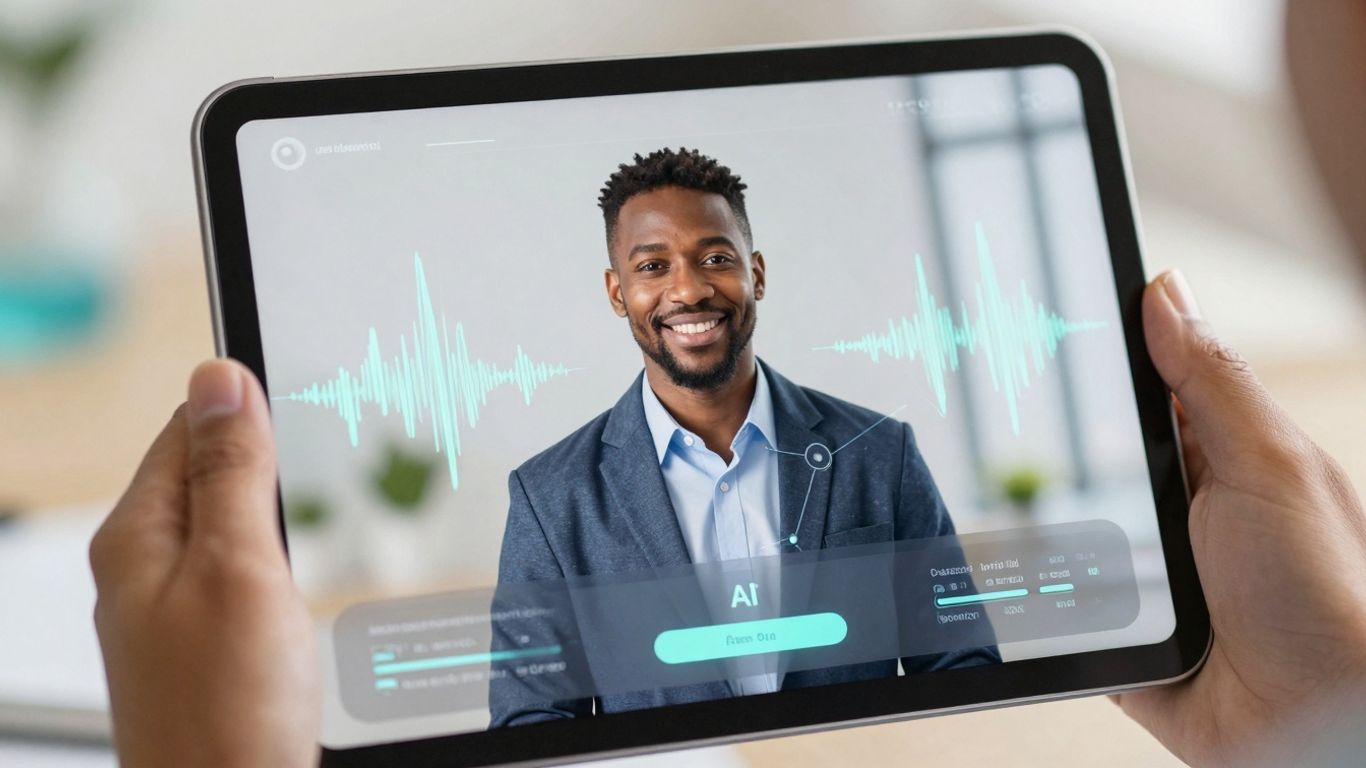
Think of the front desk staff. They spend a good chunk of their day just booking, rescheduling, and confirming appointments. It’s a necessary job, but it’s also repetitive and prone to errors, especially when things get hectic. An AI voice agent can take over this entire process. It can interact with patients, find available slots that work for both parties, and lock it in. This isn't just about convenience; it means fewer no-shows because the AI can send out timely reminders automatically. It frees up human staff to handle more complex patient needs or administrative tasks that actually require a human touch.
Patients often have the same basic questions: "What are your hours?", "Where are you located?", "Can I get a refill on my prescription?", "What insurance do you accept?". Answering these over and over can be draining for your team. An AI agent, trained on your clinic's specific information, can answer these questions instantly, 24/7. It understands natural language, so patients don't have to speak in robotic commands. This immediate access to information improves patient satisfaction and reduces the burden on your staff, allowing them to focus on care.
This is where things get really powerful. When an AI voice agent can connect directly with your Electronic Health Record (EHR) system, it’s a game-changer. Imagine the AI scheduling an appointment and, in the same breath, updating the patient's record, noting the reason for the visit, and even flagging any necessary pre-appointment paperwork. Or, if a patient calls with a question about a recent lab result, the AI could potentially access that result (with proper permissions, of course) and provide a clear, concise answer. This level of integration cuts down on manual data entry, reduces the chance of errors, and makes sure that patient information is always up-to-date across all systems.
Think about the last time you called a doctor's office. Was it easy? Did you get through quickly? For many, the answer is probably no. AI voice agents can change that. They help make things smoother for patients and, in turn, lead to better health results.
Nobody likes being put on hold. AI agents can handle a lot of calls at once, meaning you don't wait as long to get help. This isn't just about convenience; it's about getting the right information when you need it. When people have to wait or deal with confusing systems, mistakes can happen. An AI agent, programmed correctly, sticks to the facts. It can help book appointments, answer common questions about medication, or guide you on what to do next after a visit. This consistency means fewer errors and a clearer path for your health.
Missing appointments or forgetting to take medication are big problems in healthcare. AI can help here too. Imagine getting a friendly reminder call or text the day before your appointment, or a nudge to take your pills. These aren't just generic messages. AI can tailor them based on your specific situation. This kind of proactive outreach makes a real difference. It helps patients stay on track with their care plans, which is key to getting better and staying healthy.
AI can look at a lot of information to spot patterns. This means it can help healthcare providers reach out to groups of people who might need extra attention. For example, if an AI notices that a certain group isn't getting their regular check-ups, it can help send out targeted information or reminders. It can also personalize messages for individuals. Maybe you're due for a screening, or there's a new treatment that could help you. An AI can flag this and help you get the information you need, making healthcare feel more personal and effective for everyone.
AI isn't just about making things faster; it's about making healthcare more accessible and effective for each person. By handling routine tasks and providing timely, personalized information, AI voice agents help patients feel more connected to their care and more likely to follow through with treatment plans. This leads to better health for individuals and can improve the overall health of communities.
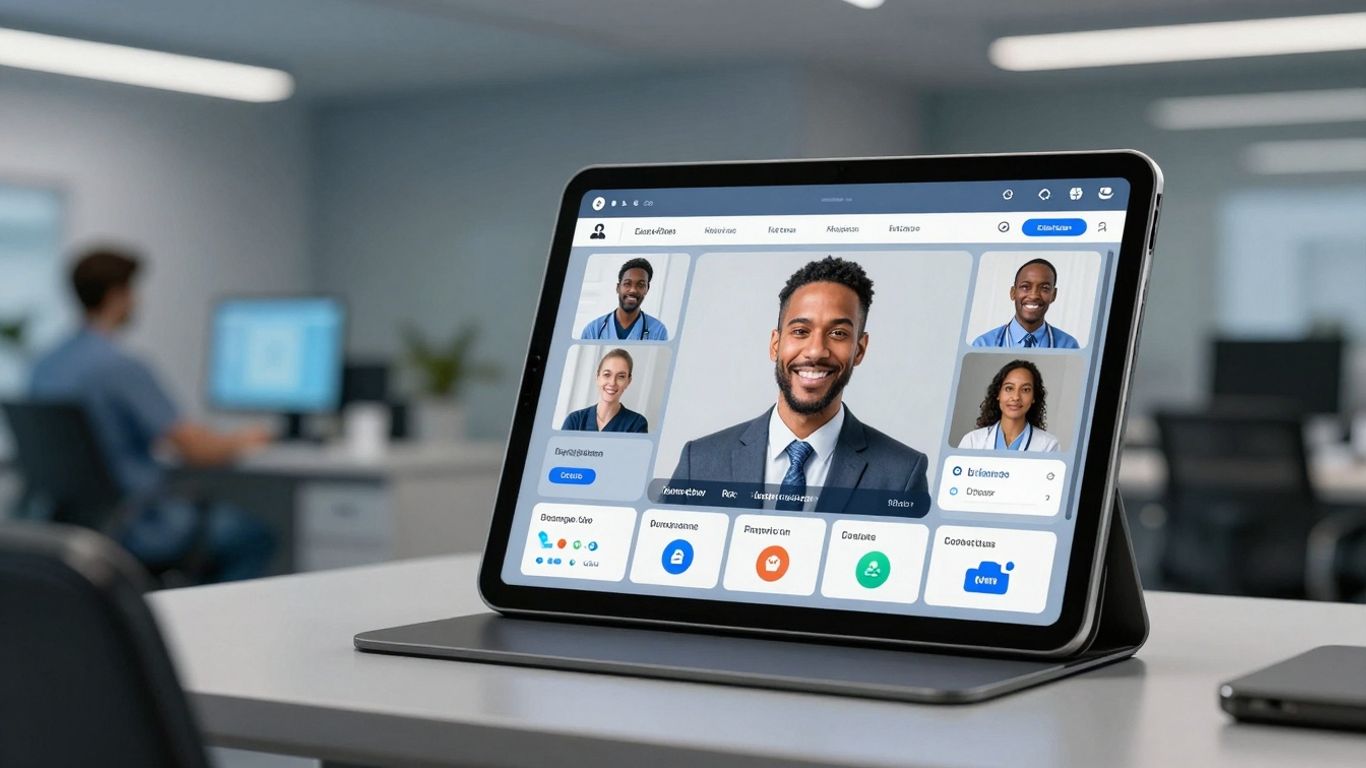
Think about how many calls a typical clinic handles in a day. Now imagine trying to scale that up during flu season or a public health crisis. It’s a headache. AI voice agents change this game entirely. They don't get tired, they don't need breaks, and they can handle a ridiculous number of conversations all at once.
This means your clinic can be reachable around the clock. Patients can book appointments or ask about symptoms at 3 AM without waiting for business hours. And when a surge hits, like during a pandemic or a busy enrollment period, the AI doesn't buckle. It just keeps going, handling every single call simultaneously. This isn't just about convenience; it's about ensuring no patient falls through the cracks because the phone lines were busy. It's like having an infinite number of receptionists, all working perfectly in sync, all the time.
Beyond just answering calls, these agents can take over a lot of the grunt work that bogs down human staff. Think appointment confirmations, prescription refill requests, or even basic billing questions. By automating these routine tasks, your human team is freed up to focus on more complex patient needs, clinical duties, or providing that empathetic touch that AI can't replicate. This shift can dramatically reduce burnout and improve job satisfaction for your staff.
For healthcare systems with multiple clinics or hospitals, an AI voice agent provides a consistent experience across the board. Deploying it to one location is one thing, but scaling it to ten or twenty is where the real efficiency kicks in. You get the same level of service, the same automated processes, and the same 24/7 availability everywhere, without needing to hire and train a whole new team for each new site. It makes expansion much simpler and more cost-effective.
When you bring an AI voice agent into your healthcare practice, you're not just adding a tool; you're inviting a new kind of interaction into patient care. This means you have to think hard about what happens with all that sensitive information. HIPAA compliance isn't optional; it's the baseline. Any system you consider must meet these standards, and then some. You need to know exactly how patient data is handled, stored, and protected. Does the AI use patient information to train its models? Reputable providers will have clear policies against this, ensuring data is de-identified or completely removed before any training occurs.
Beyond the regulations, there's the matter of trust. Patients are used to talking to people. An AI, no matter how sophisticated, is different. It needs to be upfront about what it is. No pretending to be human. Transparency is key. When the AI introduces itself, it should clearly state it's a digital assistant from your practice. This honesty builds a foundation for a better patient experience. Think about it: would you trust a system that tried to trick you?
This is where the rubber meets the road. You need to ask the tough questions about data protection. How is information encrypted, both when it's in transit and when it's stored? What access controls are in place to prevent unauthorized access? Are there regular security audits? It's not just about ticking boxes; it's about building a robust defense against potential breaches. A system that can't demonstrate strong security measures is a non-starter. You'll want to align with your internal IT and compliance teams to make sure all bases are covered.
Trust isn't built overnight. It's earned through consistent, reliable, and empathetic interactions. An AI voice agent should be designed to communicate clearly and with a degree of empathy, even if it's programmed. It needs to anticipate patient needs and provide accurate, pre-approved information. When an AI can recall past interactions or tailor its language to a patient's context, it feels more personal, less like a generic script. This personalization is what can make patients feel heard and understood, turning a potentially sterile interaction into a supportive one.
Choosing the right AI vendor means looking beyond just the technology. What kind of support do they offer? If something goes wrong, how quickly can they help? You'll also want to understand how they measure the AI's performance. Are they tracking accuracy, patient satisfaction, and adherence to protocols? Look for vendors who are transparent about their metrics and have a clear process for addressing any issues or biases that might arise in the AI's responses. This ongoing partnership is vital for maintaining a high standard of care and patient trust.
Picking an AI voice agent isn't like picking a new coffee mug. It needs to fit your practice, not just look good on paper. You're not just buying a tool; you're bringing on a new team member, albeit a digital one. So, how do you make sure you're hiring the right one?
First off, what exactly do you need this AI to do? Don't get dazzled by a long list of features you'll never use. Focus on the core problems you're trying to solve. Is it appointment scheduling that's eating up your front desk's time? Are patient questions about billing or prescriptions a constant drain? Or maybe it's about reducing those pesky no-shows. Be specific. An AI that can handle routine patient inquiries, like checking insurance or providing basic directions, is different from one that needs to integrate deeply with your EHR for complex tasks. Look for systems that excel at the specific jobs you need done. Some AI solutions are built for general customer service, while others are tailored for healthcare, understanding medical jargon and HIPAA rules. Make sure yours is the latter. For instance, an AI that can automate appointment scheduling and send reminders is a solid start, but does it also handle follow-up questions or triage more complex issues? This AI-powered front desk can automate tasks like scheduling and answering questions 24/7, which might be exactly what you need.
Once you know what you need, check if the AI can bend to your will, or at least your workflow. Generic solutions often mean forcing your practice to change how you operate to fit the AI. That's backward. You want an AI that adapts to you. Can it be trained on your specific protocols? Does it integrate smoothly with your existing Electronic Health Record (EHR) system without requiring a team of IT wizards? A system that requires a complete overhaul of your current processes is probably not the right fit. Think about how calls are handled now. Does the AI need to follow a specific script for certain inquiries? Can it escalate calls to the right person or department when it can't handle something? The goal is to make the AI a natural extension of your team, not a disruptive force. A system with a robust Zapier integration, connecting to over 9,000 apps, can become the central nervous system of your business, automating tasks based on call outcomes.
Finally, don't forget the people behind the pixels. Even the smartest AI needs support. What happens when something goes wrong? How often does the AI get updated to stay compliant with regulations or improve its performance? Look for vendors who offer clear performance metrics so you can track the return on investment. Are they transparent about their AI models and how they protect patient data? Good vendor support means they're invested in your success, not just in selling you a product. They should be available to help you troubleshoot, provide training, and guide you as your needs evolve. A vendor that offers regular check-ins and a direct line to their team, like a private Slack channel, shows they're serious about partnership. Remember, the AI is a tool, but the vendor is your partner in making it work effectively for your healthcare practice.
Picking the right AI tool can feel tricky. You want something that helps your business grow without being too complicated. Think about what you need most: maybe it's answering calls all day, chatting with website visitors, or organizing your appointments. Finding the perfect fit is key to making AI work for you. Ready to see how easy it can be? Visit our website to explore the best AI solutions tailored just for you!
Look, AI voice agents aren't magic wands. They won't fix everything overnight. But if your clinic is drowning in phone calls, if your staff is swamped with the same old questions, and if you're missing opportunities because you just can't keep up, then yeah, it's probably time to look into one. The tech is getting good, and the right system can actually make your life easier, not harder. Just make sure it fits your specific needs, plays nice with your existing setup, and actually understands what people are saying. If it does that, it might just be the best thing you do for your practice this year.
Think of an AI voice agent as a super-smart helper for your doctor's office or hospital. It's like a virtual receptionist that can answer phones, book appointments, and even answer common patient questions. It uses technology to understand what people say and respond in a helpful way, just like a human, but it can do it all day, every day, without getting tired.
While regular chatbots are good for simple websites, healthcare AI voice agents are specially designed for medical needs. They understand medical terms better, can connect with patient records (like Electronic Health Records or EHRs), and are built with strict privacy rules in mind, like HIPAA. They're trained to handle sensitive health information and specific medical tasks, making them more reliable for healthcare.
Absolutely! AI voice agents can handle many calls at once, instantly. This means patients don't have to wait on hold to schedule an appointment, ask about office hours, or get basic information. By taking care of these routine tasks, the AI frees up human staff to help patients with more urgent or complex issues, leading to shorter waits for everyone.
That's a really important question. Reputable AI voice agents for healthcare are built with strong security measures and follow strict privacy laws like HIPAA. This means your personal health information is protected. They use things like encryption to keep data safe and have systems in place to make sure only authorized people can access sensitive details. It's always good to check with the provider about their specific security practices.
It might seem strange at first, but many patients find AI voice agents helpful, especially for quick tasks or after hours. When the AI is designed to be clear, polite, and efficient, and it helps them get the information or appointment they need quickly, trust can build. Plus, for tasks like appointment reminders or answering common questions, it's often more convenient than waiting for a human.
AI voice agents can do a lot! They can schedule, reschedule, or cancel appointments, answer frequently asked questions about services or hours, send out appointment reminders to reduce no-shows, help with basic billing questions, and even gather initial information before a patient sees a doctor. Some advanced ones can even help with things like checking insurance or refilling prescriptions, making the whole process smoother.
Start your free trial for My AI Front Desk today, it takes minutes to setup!


