
You know, it feels like everywhere you look these days, AI is popping up. Restaurants are no different. It's not just about robots cooking your food anymore (though that's happening too). We're talking about how AI is changing the way restaurants talk to us, run their kitchens, and even figure out what we might want to eat next. So, how is AI improving restaurant customer service? Let's break down some of the cool new stuff happening.
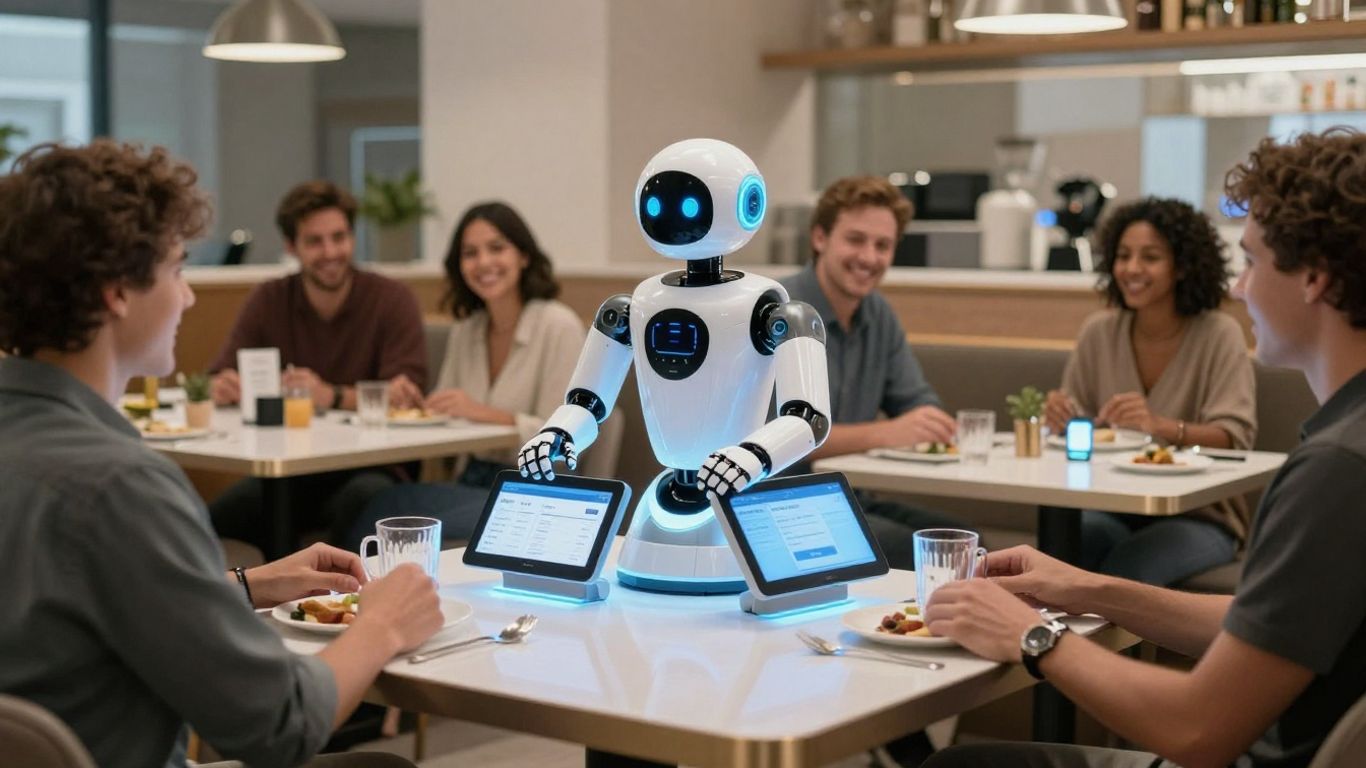
Restaurants are busy places. People call, they text, they want answers now. Trying to keep up with all of it using just humans is a losing game. AI changes that.
Forget busy signals. AI phone receptionists can handle an unlimited number of calls at once. This means no customer gets put on hold because the lines are full. They can answer common questions, take orders, and even schedule reservations. It's like having a front desk staff that never sleeps and never gets overwhelmed. This technology ensures that every call is answered, turning potential lost business into actual sales. It's a simple way to make sure your restaurant is always accessible, no matter the time of day or how busy things get. This is a big step up from traditional phone systems that just can't scale to meet demand. You can even set maximum receptionist minutes to keep costs in check, ensuring predictable billing and better budget management.
Customers don't just call anymore. They use websites, apps, social media. AI agents can manage all these channels. They can chat with website visitors, respond to texts, and even handle emails. These aren't just simple chatbots; they can understand complex questions and provide helpful answers. They work alongside your human staff, taking care of the routine stuff so your team can focus on more important tasks. This integrated approach means a consistent experience for the customer, no matter how they choose to reach out. It's about being where your customers are, with an answer ready. This kind of automation is key for businesses looking to capture more leads and improve overall customer engagement.
AI can do more than just answer questions. It can start conversations. Think about personalized text messages about specials or follow-ups after a visit. AI analyzes customer data to send messages that are actually relevant. This isn't spam; it's helpful information that makes customers feel valued. Building these relationships means repeat business and good word-of-mouth. It's about making every interaction count, turning a simple transaction into a connection. This kind of marketing helps keep your restaurant top-of-mind when people are deciding where to eat. It's a smart way to use data to create a more personal touch at scale.
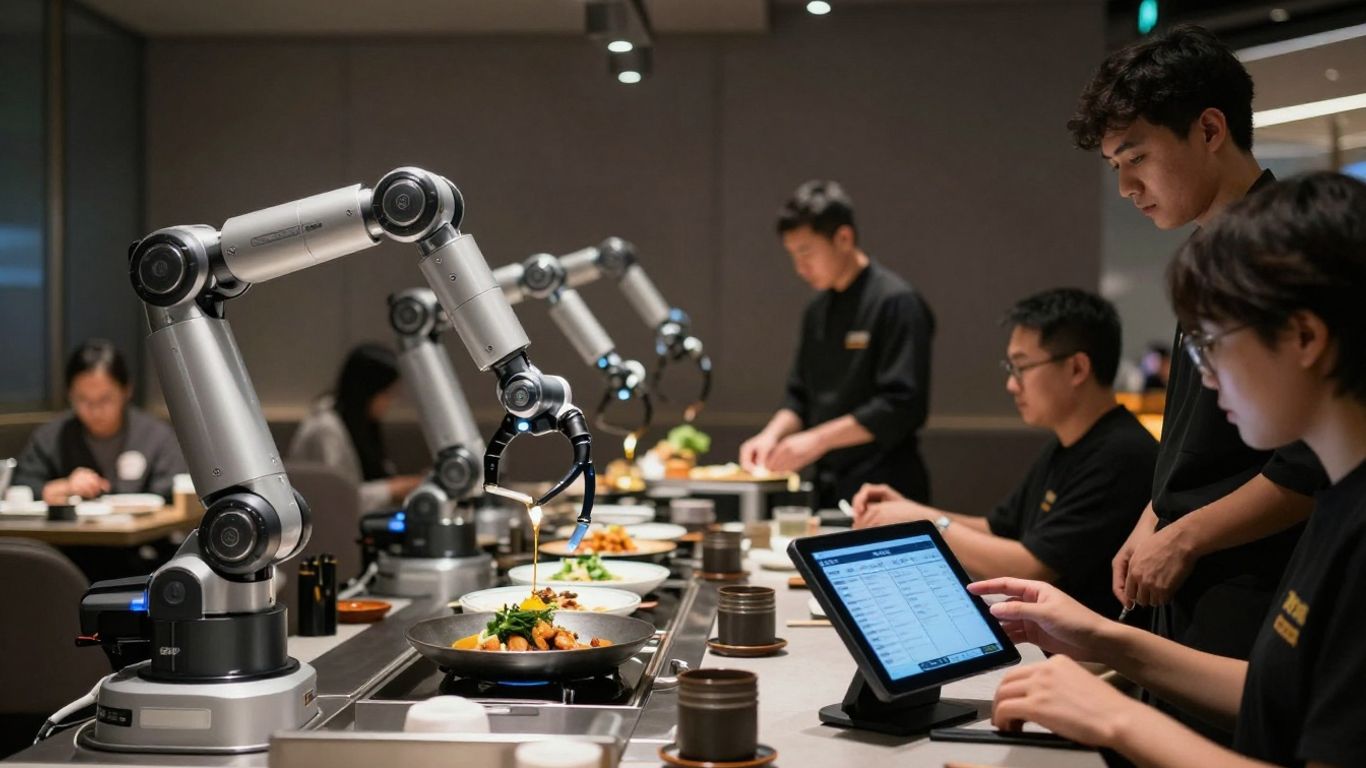
Running a restaurant is a juggling act. You've got food to cook, customers to serve, and a million little things that can go wrong. AI is starting to take some of the weight off. Think about booking a table. It used to be a phone call, maybe a wait, and a human trying to fit you in. Now, systems like Red Lobster's AI reservation manager can handle it all. It looks at what tables are free, predicts walk-ins, and keeps things moving. Customers get instant updates, and the restaurant serves more people. It’s not just about taking reservations, though. AI is getting into the kitchen, too.
Remember the days of calling a restaurant, hoping they had a table, and then maybe waiting an hour? That's becoming a thing of the past. AI systems can now manage bookings and waitlists with surprising accuracy. They look at real-time data, predict how long tables will be occupied, and even send customers updates on their status. This means fewer no-shows, better table turnover, and happier diners who aren't left wondering when they'll get a seat. It's about making the whole process smoother, from the moment someone decides they want to eat out.
In a busy kitchen, hands are always full. AI is stepping in to help. Voice-activated systems can take orders, update inventory, or even check cooking times without a chef needing to stop what they're doing. Imagine a cook asking, "How long until the steak is ready?" and getting an instant, accurate answer. This cuts down on errors and keeps the food coming out on time. It's like having an extra pair of hands that never gets tired or contaminated.
This is where things get really interesting. Robots are starting to handle some of the more repetitive or precise tasks in the kitchen. We're not talking about full-on robot chefs (yet), but machines that can follow recipes exactly, cook certain dishes consistently, or even help with prep work. This frees up human staff to focus on more complex dishes or customer interaction. It also means a higher level of consistency in food preparation – every order of fries comes out the same, every time. The goal isn't to replace cooks, but to augment their abilities and improve overall output.
The real win here is taking the guesswork out of operations. When AI handles bookings, predicts demand, and even assists in the kitchen, restaurants can operate with a level of precision that was previously impossible. This means less wasted food, better staff allocation, and ultimately, a more reliable experience for the customer.
Restaurants are finally getting smart about who's walking through the door. It’s not just about serving food anymore; it’s about making each person feel like they’re the only one there. AI is making this happen by looking at what people actually like and then giving them more of it.
Think about walking into your favorite coffee shop. You probably order the same thing every time, right? AI does that, but for every customer, for every dish. It looks at past orders, what people have rated highly, and even what they’ve looked at on the menu online. Then, it suggests things you might actually want. It’s like having a waiter who knows your entire history without you having to say a word.
This isn't just about suggesting another burger. It can be about pairing a specific wine with a steak, or recommending a new dessert that’s similar to one you loved last week. It makes the menu feel less like a list and more like a curated experience. The goal is to make customers feel understood, leading them to discover new favorites and come back more often.
Loyalty programs used to be simple punch cards. Now, AI is making them way more interesting. Instead of just getting a free coffee after ten purchases, AI can track your spending habits and offer you something specific. Maybe you always order appetizers? The program might send you a special deal on those. Or if you haven't visited in a while, it could send a personalized
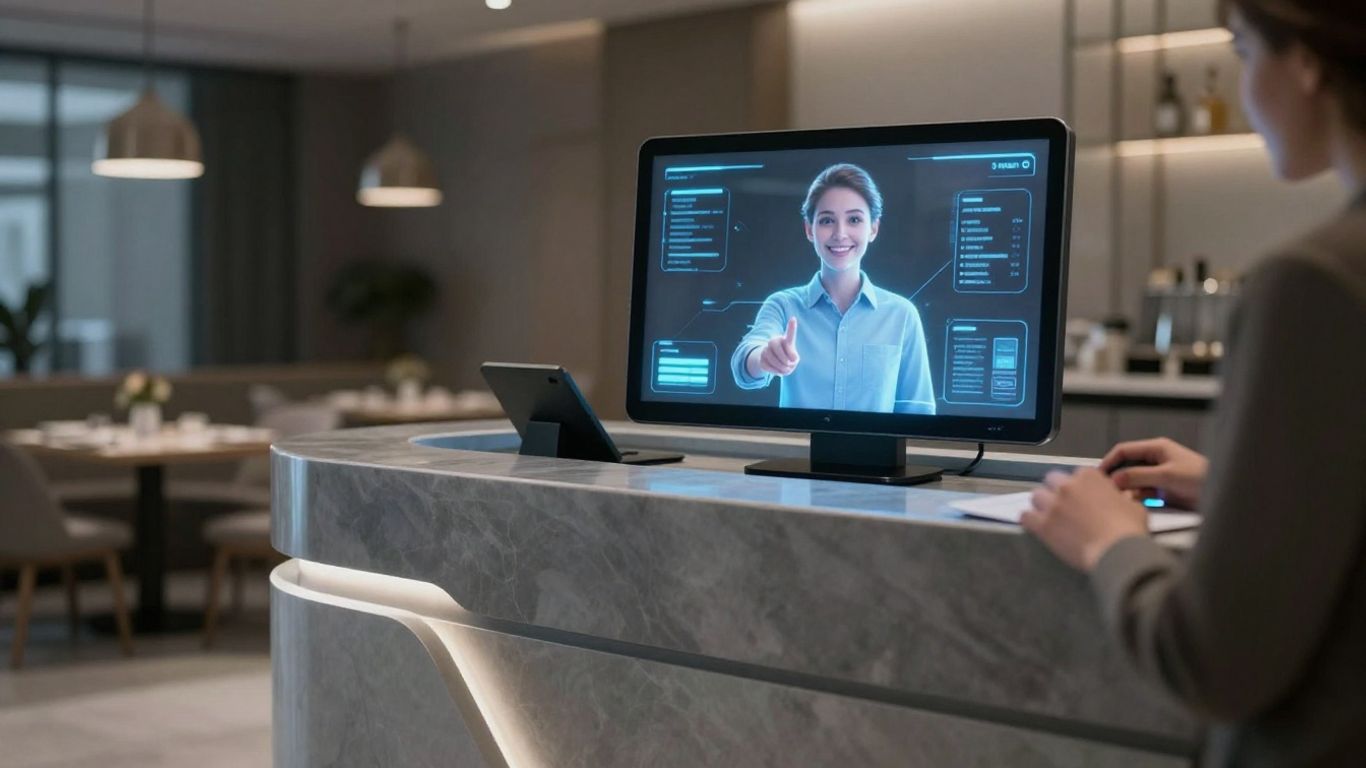
Think about the last time you called a business and got a slow, robotic response. Frustrating, right? That's what we've eliminated. Our AI receptionist is fast. Really fast. We measure its response time in milliseconds. That's quick enough to keep up with natural conversation. This speed isn't just a neat trick; it's transformative. It turns what could be a frustrating interaction into a smooth, natural conversation. It's the difference between feeling like you're talking to a machine and feeling like you're talking to a hyper-competent human.
Conversation is a dance. A slow partner ruins the rhythm. A fast one keeps you on your toes. Our AI doesn't just answer quickly; it thinks quickly. Ask it a complex question, and it doesn't miss a beat. It's like talking to the smartest person you know, but one who never needs to pause to think. We're constantly tweaking, optimizing, shaving off tiny fractions of time because in conversation, every bit of responsiveness counts. This might seem like overkill, but it's the future of communication. You can try it out by calling an AI receptionist and asking it anything.
Most businesses treat their phone lines like they have a limited number of ears. Not us. Our AI receptionist doesn't just handle multiple calls; it handles all the calls. At once. Forever. It's like we gave it an infinite supply of ears and an attention span that would make a zen master jealous. Peak periods? More like "meh" periods. Black Friday, the Super Bowl commercial just aired, a zombie apocalypse? Bring it on. Your AI doesn't break a sweat. It's the phone equivalent of that "This is fine" meme dog, except everything actually is fine. This scalability means happy customers and a business that stays alive even when that influencer accidentally puts your phone number in their Instagram story. Your brand consistency remains intact whether it's the first call of the day or the ten thousandth.
Businesses often treat time like it's infinite. They waste it. They squander it. They let it slip through their fingers like sand. But time is the most precious resource we have. That's why we built time controls into our AI receptionist. It knows when to work, adapting to holidays, seasons, and time zones. No more "Sorry, we're closed" messages at 2 PM on a Wednesday. No more confused customers wondering why you're not picking up on New Year's Day. It answers calls appropriately, understanding that a call at 9 AM is different from a call at 9 PM. This respect for time ensures no missed opportunities and a customer who feels understood, not frustrated. It's a small thing, but small things compound.
Restaurants are sitting on a goldmine of information, but most of it just sits there, unused. Think about all the calls, the online orders, the feedback forms – it’s a constant stream of data. AI can actually make sense of it all, turning noise into actionable insights. This isn't about fancy dashboards; it's about seeing what's really happening so you can fix what's broken and double down on what's working.
Most restaurants track sales, sure. But what about the why behind those sales? AI can dig into customer interactions, identifying patterns you'd never spot otherwise. It can tell you why people are calling, what problems they're having, and even how they feel about your service. This isn't just about fixing bugs; it's about understanding your customers on a deeper level.
Coming up with fresh marketing ideas can be a drag. AI can help here too. It can draft social media posts, write email newsletters, or even suggest new menu descriptions based on what's popular or what customers are asking for. This frees up your team to focus on the bigger picture instead of getting bogged down in writing.
AI can generate a first draft of marketing copy, saving hours of brainstorming and writing. It's like having a junior copywriter on staff, available 24/7, who can churn out ideas based on your specific needs and data.
This is where things get really interesting. By looking at past data – like reservation trends, order history, and even local events – AI can predict how busy you'll be. This means you can staff accordingly, avoiding both understaffing during rushes and overstaffing during slow periods. It’s about having the right people, at the right time, without the guesswork.
Think about your budget. It's not just a number; it's a constraint. And with AI, you can actually control that constraint. The "Set Max Receptionist Minutes" feature is pretty straightforward. You decide how many minutes your AI receptionist can be active in a day, week, or month. It's like setting a cap on your phone bill, but for automated customer service. This stops unexpected costs dead in their tracks. You get predictable spending, which is a big deal when you're trying to keep things lean.
AI can look at past data – call volumes, peak times, even local events – and predict when you'll need more hands on deck. This isn't about guessing; it's about using numbers to figure out staffing needs. You can schedule staff more effectively, avoiding both understaffing during busy periods and overstaffing when it's quiet. This means your team is used efficiently, and you're not paying for idle time. It's about having the right people, at the right time, without the guesswork.
AI can track inventory levels with surprising accuracy. It can predict how much of an ingredient you'll need based on sales trends, reservations, and even external factors like weather. This means you order smarter, reducing the amount of food that spoils before it can be used. Less waste directly translates to lower costs and a healthier bottom line. It's a simple concept: buy what you need, when you need it, and let the data guide you.
Managing your money and resources wisely is key to success. Our tools help you keep track of where your money goes and make sure you're using your resources in the best way possible. Want to see how we can help you save and manage better? Visit our website today to learn more!
Look, AI in restaurants isn't some far-off future thing. It's here, and it's already making a difference. From handling calls when you're swamped to suggesting what you might actually want to eat, it's quietly making things work better. It's not about replacing people, not really. It's about giving them tools so they can focus on the stuff that matters, like making sure you have a good time. As this tech gets smarter and cheaper, expect to see it everywhere. It’s just a smarter way to run things, plain and simple.
AI can act like a super-fast helper for restaurants. It can answer phone calls instantly, manage online messages, and even send out special deals that you might like. This means you get help right away, and restaurants can make sure you feel special by remembering what you enjoy.
Yes! AI can take your order through a chatbot or even a voice system, making sure it's correct. It can also help the kitchen know exactly what to make and when, so your food comes out faster and tastes great. It's like having an extra pair of hands that never get tired.
Think of AI as a helpful friend who knows your tastes. It can look at what you've ordered before and suggest new dishes you might love, or offer deals that are just for you. This makes your meal feel more like it was made especially for you.
Absolutely. AI can help predict when the restaurant will be busiest, so they know how many staff members to have on hand. It also helps manage reservations and waitlists, so you don't have to wait too long for a table, even during peak hours.
With AI, you might not even notice if it's closed! AI receptionists can answer calls 24/7, take messages, book appointments, or answer common questions anytime. This means you can get the information you need whenever you need it, without waiting for business hours.
Not really. AI is mostly used to help with tasks that are repetitive or take up a lot of time, like answering phones or taking simple orders. This frees up the human staff to focus on more important things, like making sure you have a wonderful experience and a delicious meal.
Start your free trial for My AI Front Desk today, it takes minutes to setup!


