
You know, keeping up with customers can be a real challenge. Especially when you're trying to reach people all over the place, maybe even in different countries. It feels like you need a whole team just to answer the phone and book appointments. But what if there was a simpler way? Turns out, there is. We're talking about using smart technology to handle a lot of that customer interaction, making sure no one feels ignored, no matter what language they speak. It's all about making things easier for everyone involved.
Remember the days of endless ringing phones and the dreaded "all our operators are currently busy" message? Those days are fading fast. AI receptionists are stepping in, changing how businesses connect with their customers. It's not just about answering calls anymore; it's about creating a smooth, helpful experience from the very first interaction. Think of it as having a super-efficient assistant who's always on, always ready, and never gets tired.
One of the biggest leaps AI receptionists have made is in how they talk. They use advanced tech to understand what people are saying and respond in a way that feels natural. This means fewer robotic, frustrating exchanges and more genuine conversations. They can handle a wide range of questions, from simple inquiries to more complex requests, making customers feel heard and understood.
The goal is to make the interaction so smooth that the customer barely notices they aren't talking to a person. It's about efficiency meeting empathy.
Customers today don't stick to just one way of contacting a business. They might call, send a text, or use a website chat. An AI receptionist can manage all of these. This means no matter how a customer reaches out, they get the same level of service. It's about being available wherever your customers are, making it easy for them to connect.
What's really neat about these AI systems is that they get smarter over time. Every conversation they have is a chance to learn. They analyze patterns, identify common questions, and refine their responses. This means the service doesn't just stay the same; it actively improves, becoming more accurate and helpful with each passing day. This ongoing development means your business benefits from an ever-evolving customer service tool.
This constant learning means the AI can adapt to new products, services, or common customer issues without needing constant manual updates. It's a system that grows with your business needs.
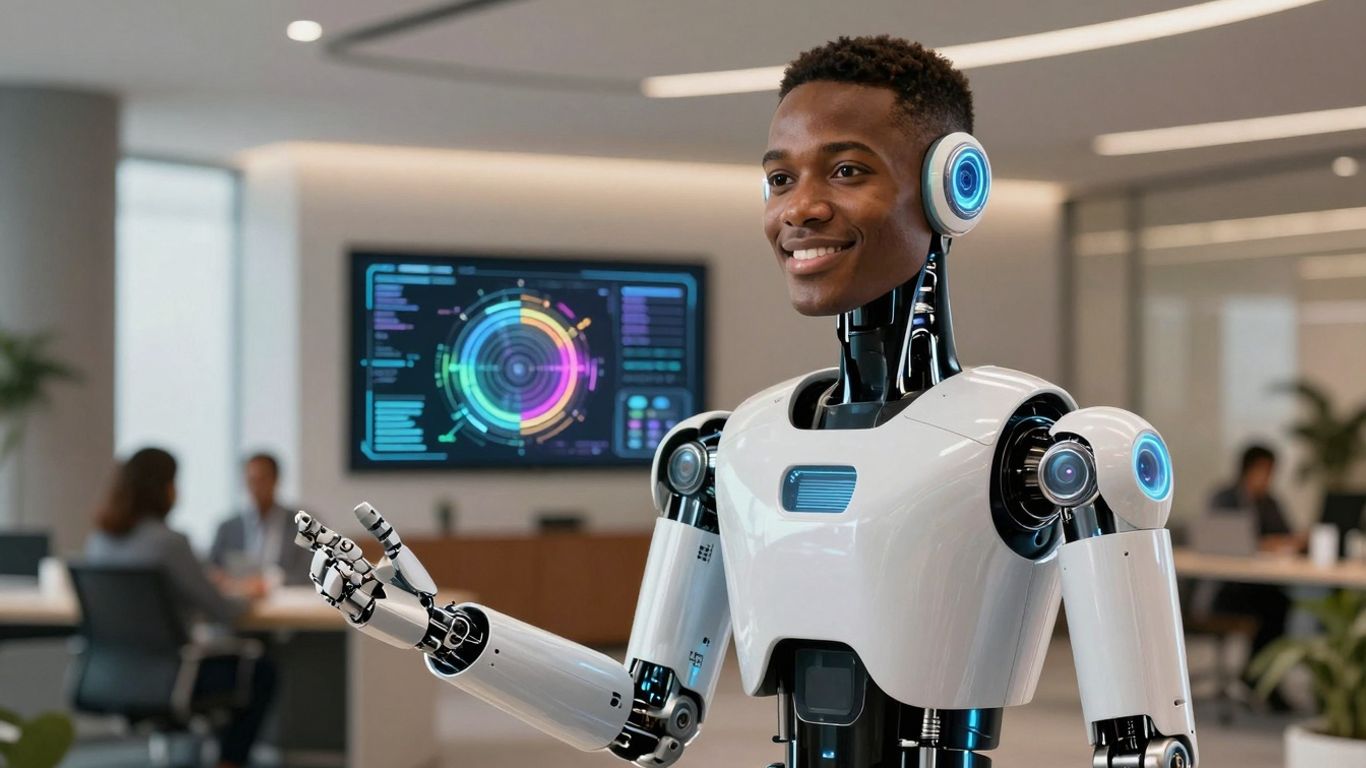
Ever feel that little bit of frustration when you have to press '1' for English, '2' for Spanish? It's a common hurdle, but AI receptionists are changing that. They can actually listen to what you're saying right from the start and figure out what language you're speaking. This means no more confusing menus, just a smoother start to your conversation. If you switch languages mid-chat, like starting in English and then moving to French because it feels easier, the AI can keep up. It's like having a conversation partner who's fluent in both and doesn't miss a beat.
This ability to detect and switch languages on the fly is a big deal. It makes customers feel more comfortable and shows you're paying attention to their needs, no matter where they're from.
Languages aren't just about the words; they're also about how we say them. Think about all the different ways people pronounce English, or Spanish, or any language for that matter. AI receptionists are getting really good at understanding these variations. They're trained on huge amounts of data that include all sorts of accents and dialects. So, whether someone has a slight lilt from Ireland or a distinct rhythm from Brazil, the AI can usually understand what they're saying.
This accuracy is key. When the AI gets it right, people feel heard and understood. It cuts down on misunderstandings and makes the whole interaction feel more natural and efficient. It's not just about hearing the words, but understanding the intent behind them, even with a thick accent.
Talking to someone in their own language is one thing, but talking to them in a way that feels right for their culture is another. AI receptionists can be programmed to offer greetings that fit local customs. For example, a greeting in Japan might be more formal than one in Mexico. The AI can adjust its tone and phrasing to match these expectations.
This cultural awareness goes beyond just words. It's about making the caller feel respected and valued from the very first moment. It turns a simple phone call into a more personal and positive experience.
This attention to cultural detail can make a big difference in how customers perceive your business. It shows you've put thought into connecting with them on a deeper level, not just a transactional one.

Integrating an AI receptionist into your existing business tools isn't just about adding a new piece of tech; it's about making everything work together more smoothly. Think of it as connecting all the different parts of your business so they can talk to each other. This means less manual work for your team and a better experience for your customers.
One of the biggest headaches for any business is managing appointments. Juggling schedules, sending reminders, and dealing with cancellations can take up a ton of time. An AI receptionist that syncs directly with your calendar, like Google Calendar or Outlook, changes all that. It can automatically book new appointments, find new slots when someone needs to reschedule, and even cancel bookings if necessary. This keeps your schedule accurate in real-time, so you don't have to worry about double bookings or missed appointments. It's like having a personal assistant who's always on top of your schedule.
Beyond just scheduling, an AI receptionist can be a central hub for your customer data. By connecting to your Customer Relationship Management (CRM) system, it can automatically log new leads, update contact information, and even record notes from conversations. This means your sales and support teams always have the most current information at their fingertips. Imagine a customer calls, and before a human even picks up (if needed), the AI has already pulled up their history and noted the reason for their call. This kind of automation saves time and helps prevent important details from falling through the cracks. It really helps improve lead capture.
What if your AI receptionist could do even more? That's where Zapier comes in. Zapier acts like a bridge between thousands of different web applications. With a Zapier integration, your AI receptionist can trigger actions in other apps you use. For example, when a new lead is captured, the AI could automatically add them to your email marketing list, create a task in your project management tool, or send a notification to your sales team via Slack. This creates a powerful, automated workflow that connects your entire business. It means your AI receptionist isn't just an answering service; it's an active participant in your daily operations, making sure tasks get done without manual intervention.
Integrating your AI receptionist with other tools transforms it from a simple call handler into a core part of your business operations. It automates repetitive tasks, ensures data consistency, and frees up your human team to focus on more complex or high-value work. This interconnectedness is key to running a lean and efficient business in today's fast-paced environment.
Let's be honest, managing a constant stream of phone calls can feel like juggling chainsaws while riding a unicycle. It's chaotic, demanding, and frankly, a huge drain on resources. That's where intelligent call management with an AI receptionist steps in, turning that chaos into a smooth, predictable operation. This isn't just about answering the phone; it's about making every call count.
Remember the days of busy signals and frustrated callers hanging up? Those are pretty much over. An AI receptionist can handle an astonishing number of calls simultaneously. Think about it: when your business experiences a sudden surge – maybe a product goes viral, or a big sale kicks off – your AI doesn't break a sweat. It can manage hundreds, even thousands, of calls at once. This means no more lost leads due to an overwhelmed phone system. It's like having an infinite number of receptionists ready to go, 24/7, without needing a bigger office.
What happens after the initial call? That's often where things get dropped. An AI receptionist can automate follow-up messages, send reminders for appointments, or even gather specific information from callers. If a caller leaves a message, the AI can transcribe it, summarize the key points, and even categorize it. This ensures that no important detail gets lost in a sea of sticky notes or forgotten voicemails. It keeps the conversation going and moves potential customers further down the sales funnel without requiring constant human intervention.
Voicemails can be a treasure trove of information, but they can also be a pain to sort through. AI can transcribe these messages into text, making them searchable and easy to review. But it gets better. If a voicemail is in a different language, the AI can translate it, opening up communication with a wider audience. Furthermore, for businesses in regulated industries, AI can help ensure compliance by logging calls and messages, providing an auditable trail of interactions. This level of detail and accessibility transforms voicemails from a chore into a valuable business asset.
You know, it's one thing to have an AI receptionist that can chat in different languages, but how do you actually know if it's doing a good job for everyone? That's where looking at the numbers, specifically by language, comes in. It’s not just about having the feature; it’s about making sure it works well for every single person who calls.
Think about it: if your AI is great at English but struggles with Spanish callers, you're going to see that in the data. We can track things like how often calls get resolved without needing a human, and where the AI seems to get confused or make mistakes. This isn't about blaming the AI; it's about finding the weak spots.
Here’s a quick look at what we might see:
Seeing numbers like these helps us pinpoint exactly which languages need more attention. Maybe the AI needs more training data for certain accents, or perhaps the scripts for a particular language aren't quite hitting the mark.
Once we see where the issues are, we can actually do something about it. The AI learns from every conversation. So, if we notice that callers speaking Portuguese keep getting transferred, we can feed more Portuguese conversations back into the AI. This helps it get better at understanding those specific phrases, accents, and common questions.
It’s like teaching a student. You wouldn’t just give them a textbook and expect them to ace every subject. You’d give them extra practice in the areas they find tough. The same applies here. We use the real-world data from calls to make the AI smarter, language by language.
This continuous feedback loop is what makes AI so powerful. It's not a static tool; it's something that gets better over time, especially when you're paying attention to the details. Without this kind of analysis, you're just guessing if your multilingual support is actually working.
Ultimately, this is about making sure everyone gets a good experience, no matter what language they speak. We don't want a situation where customers who speak a less common language get a subpar service just because the AI hasn't been fine-tuned for them yet. By looking at these per-language analytics, we can actively work to close any gaps. It helps us make sure that the quality of service is consistent, fair, and high for all your customers, globally.
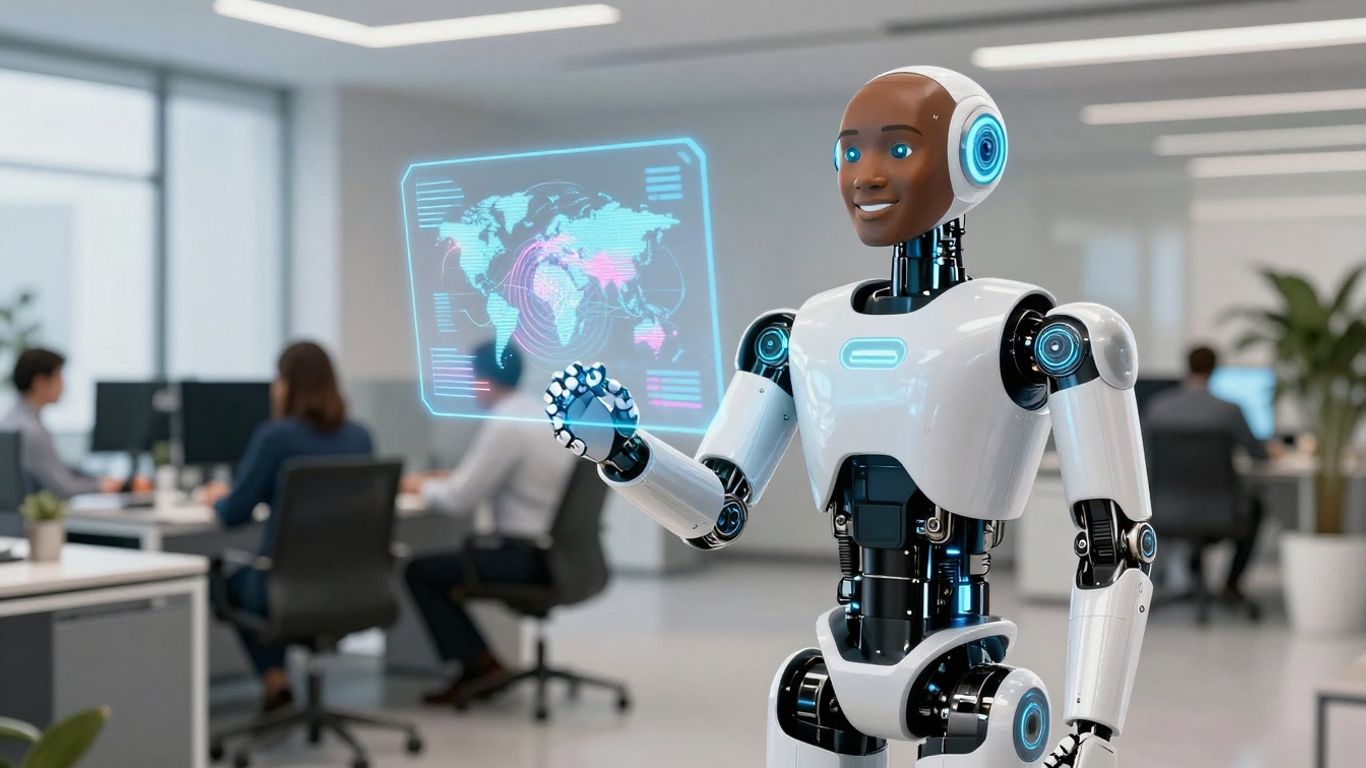
So, you're thinking about getting an AI receptionist, and you're wondering what the big deal is, especially with all the talk about languages. Honestly, it's not just about having a fancy gadget; it's about making your business work better, especially if you deal with people from different places.
Think about it. Your business might close at 5 PM, but for someone in another country, that's just the start of their day. An AI receptionist doesn't need sleep. It's there, ready to answer questions or book appointments at 3 AM if that's when a customer decides to call. This means you're not missing out on potential business just because of time zones. It's like having a global team that never takes a coffee break.
Let's be real, hiring people who speak multiple languages can get expensive. You've got salaries, benefits, training, and the constant challenge of finding enough qualified people. An AI receptionist handles many languages right out of the box. While there's an initial investment, over time, it's usually much cheaper than a full human team covering the same ground.
This table shows a general cost comparison. Actual figures can vary based on location, experience, and specific service needs. The AI option typically offers a more predictable and lower overall expense for broad language coverage.
When a potential customer calls, you want to make sure you get their details and understand what they need, right? An AI receptionist can do this in their own language, making them feel more comfortable and more likely to share information. It can ask qualifying questions, gather contact details, and even schedule a follow-up call with the right person on your team. This means fewer leads slip through the cracks, and your sales team gets better-qualified prospects to work with. It's about making that first impression count, no matter the language.
Ever called a business and the AI voice sounded, well, robotic? It's a real turn-off, right? We get it. That's why our AI receptionist lets you pick the voice that fits your brand best. You can choose from a range of voices, some with different accents, to make sure your business sounds just right. It's not just about sounding human; it's about sounding like your business. You can even adjust the tone and speed to match your company's personality. Think of it like picking the perfect outfit for your brand – it needs to feel authentic.
This is where things get really smart. Imagine someone calls in Spanish, but then switches to English mid-conversation. Our AI can handle that. It detects the language change and adjusts automatically, so the caller doesn't have to repeat themselves. If the AI can't quite figure something out, or if the caller needs to speak to a human, it knows exactly who to transfer them to. It doesn't just send them to a random person; it sends them to the right department or person based on what you were talking about. This means fewer transfers and happier customers who feel understood.
What happens when a customer asks a question the AI hasn't been specifically trained on? Instead of just saying "I don't know," our AI can tap into a broader knowledge base. This base can be multilingual, meaning it can pull information and provide answers in the caller's language. If there's still a gap, it can even use translation tools as a fallback. It's like having a super-smart assistant who can quickly look things up and translate them on the fly. This keeps the conversation going and helps resolve issues faster, no matter the complexity or language barrier.
As your business grows, your customer service needs change. You might start with a few calls a day, but soon that can jump to hundreds, especially during busy seasons or after a successful marketing push. An AI receptionist is built for this kind of growth. It doesn't get tired, it doesn't need breaks, and it can handle a massive number of calls all at once. This means you won't miss out on leads just because your phone lines are jammed.
Think about it: when your business suddenly gets popular, maybe a product goes viral or a big client signs on, your phone lines can get swamped. A human receptionist can only handle so many calls. An AI receptionist, though? It's like giving your business a superpower. It can handle thousands of calls simultaneously without breaking a sweat. This means no more busy signals for your customers, and no more lost opportunities for you. It just keeps going, no matter how many people are calling.
Businesses aren't always steady. Some have huge peaks during holidays, while others might see a surge in summer. An AI receptionist can easily adjust. You can set it to handle more calls during your busy season and scale back when things are quieter, all without hiring or firing staff. Plus, if you have customers all over the world, the AI can work around the clock, handling calls in different time zones so everyone gets a response, no matter when they reach out.
Investing in an AI receptionist now means you're ready for whatever comes next. Technology changes fast, and customer expectations are always rising. An AI system can be updated and improved over time, making sure your customer service stays top-notch. It's a flexible solution that grows with you, adapting to new communication channels and customer needs. This way, you're not stuck with an outdated system when your business needs to expand or pivot.
The ability of an AI receptionist to scale up or down based on demand, handle calls across different time zones 24/7, and integrate with future technologies makes it a smart choice for businesses that plan to grow. It removes the limitations of human staff and provides a consistent, reliable point of contact for customers.

So, how does an AI receptionist actually pull off talking to people in different languages? It's not just a simple translation tool; it's a whole system working together. Think of it like a really smart assistant who's learned a lot about different cultures and languages.
One of the coolest things is that the AI can figure out what language you're speaking just from the first few words. You don't have to press buttons or listen to a long menu. It just knows. And if you happen to switch languages halfway through the chat, the AI can keep up. This makes the whole conversation feel way more natural, like you're talking to someone who's just as flexible as you are.
This ability to adapt on the fly is what makes AI receptionists feel less like a robot and more like a helpful human.
People don't all speak the same way, even within the same language. You've got accents from different regions, different ways of saying things. AI receptionists are trained on huge amounts of data to understand all these variations. So, whether someone's speaking English with a British, Indian, or Southern US accent, the AI can usually get it right. This is a big deal for making sure everyone feels heard and understood, no matter where they're from.
It's not just about understanding words; it's about sounding right, too. An AI receptionist can be set up to greet callers in a way that fits their culture. For example, a greeting in Japan might be more formal than one in Brazil. You can also choose different voice styles – maybe something calm and professional, or something warm and friendly. This personalization makes a big difference in how customers feel about your business right from the start.
AI receptionists aren't just for tech startups or big corporations anymore. They're making a real difference across a bunch of different fields, helping businesses of all sizes connect better with their customers. Think about it – no matter what you do, talking to people is a big part of it, and getting that communication right can change everything.
For businesses that are out in the field, like plumbers, electricians, or cleaning services, an AI receptionist is a lifesaver. These folks are often on job sites, hands dirty, and can't just pick up the phone. An AI can handle all those incoming calls, schedule appointments when a technician has a free moment, and even send out reminders so nobody forgets. This means fewer missed jobs and happier clients who get the service they need without a hassle.
Here's how it helps:
The ability to handle calls and schedule appointments automatically frees up field staff to do what they do best, directly impacting their productivity and the business's bottom line.
In the world of retail and online shopping, customer experience is king. An AI receptionist can be the first point of contact for online shoppers with questions about products, shipping, or returns. It can provide instant answers 24/7, guide customers to the right product pages, or even help with placing an order. This kind of immediate support can turn a browsing customer into a buying one, and keep them coming back.
For doctors' offices, law firms, and other professional services, trust and accuracy are everything. An AI receptionist can manage appointment scheduling, answer frequently asked questions about services or office hours, and even help with initial patient intake or client information gathering. The multilingual support is a huge plus here, making sure everyone, regardless of their language, can access the services they need. It helps create a more inclusive and efficient practice.
Our AI receptionist solutions are changing the way businesses operate. Imagine a smart assistant that handles calls, answers questions, and even books appointments, all while you focus on what matters most. This technology is making industries smarter and more efficient than ever before. Ready to see how it can help your business? Visit our website today to learn more and get started!
So, we've talked a lot about how AI receptionists can really change the game for businesses. They're not just answering phones anymore; they're handling complex questions, scheduling appointments, and even speaking different languages. This means fewer missed calls, happier customers, and more time for you to focus on what really matters in your business. It’s like having a super-efficient assistant who’s always on, never gets tired, and can chat with anyone, anywhere. If you're looking to make your customer service better and reach more people, an AI receptionist with multilingual abilities is definitely something to consider.
Think of an AI receptionist as a super-smart computer program that can answer your business phone calls and talk to customers. It's like having a helpful assistant who works all day and night, understands what people are saying, and can answer questions, set up appointments, or even direct calls, just like a human receptionist but way faster and without needing breaks!
Yes, it absolutely can! This AI is built to understand and speak many different languages. It can figure out what language someone is speaking when they call and switch to that language automatically. This means customers from all over the world can talk to your business in their own language, making them feel more welcome.
It's pretty clever! When someone calls, the AI listens to the first few words they say. Based on that, it can tell which language they're using and start talking in that language right away. It can even switch languages in the middle of a chat if the person starts speaking a different one.
Not at all! Setting up this AI receptionist is super quick, usually taking less than five minutes. You just need to tell it a bit about your business, and it's ready to go. It's designed to be really easy to use, even if you're not a tech expert.
If the AI runs into a question it can't answer or if the caller needs to talk to a real person, it can smoothly pass the call along to one of your team members. It can even give the human agent notes about what was already discussed, so the caller doesn't have to repeat themselves.
Definitely! It can connect with your calendar and help customers book, change, or cancel appointments without you having to lift a finger. It can also send out reminders so people don't forget their appointments, which helps reduce no-shows.
Using an AI receptionist is usually much cheaper than hiring human staff to do the same job. It works 24/7 without needing salaries, benefits, or breaks, which saves businesses a lot of money in the long run.
Yes, it's designed to work with many other popular business tools, like your calendar or customer relationship management (CRM) software. This connection helps automate tasks, keep information organized, and make your whole business run more smoothly.
Start your free trial for My AI Front Desk today, it takes minutes to setup!


