
Running a medical practice means a lot of moving parts. You've got patients to see, charts to update, and let's not forget the phone that seems to ring off the hook. Trying to manage all of that while keeping patient information super secure can feel like a juggling act. That's where a HIPAA-compliant answering service comes in. It's not just about having someone pick up the phone; it's about having a professional, secure system in place that handles calls correctly, especially when dealing with sensitive health data. Think of it as an extension of your practice, but one that's built for privacy and availability.
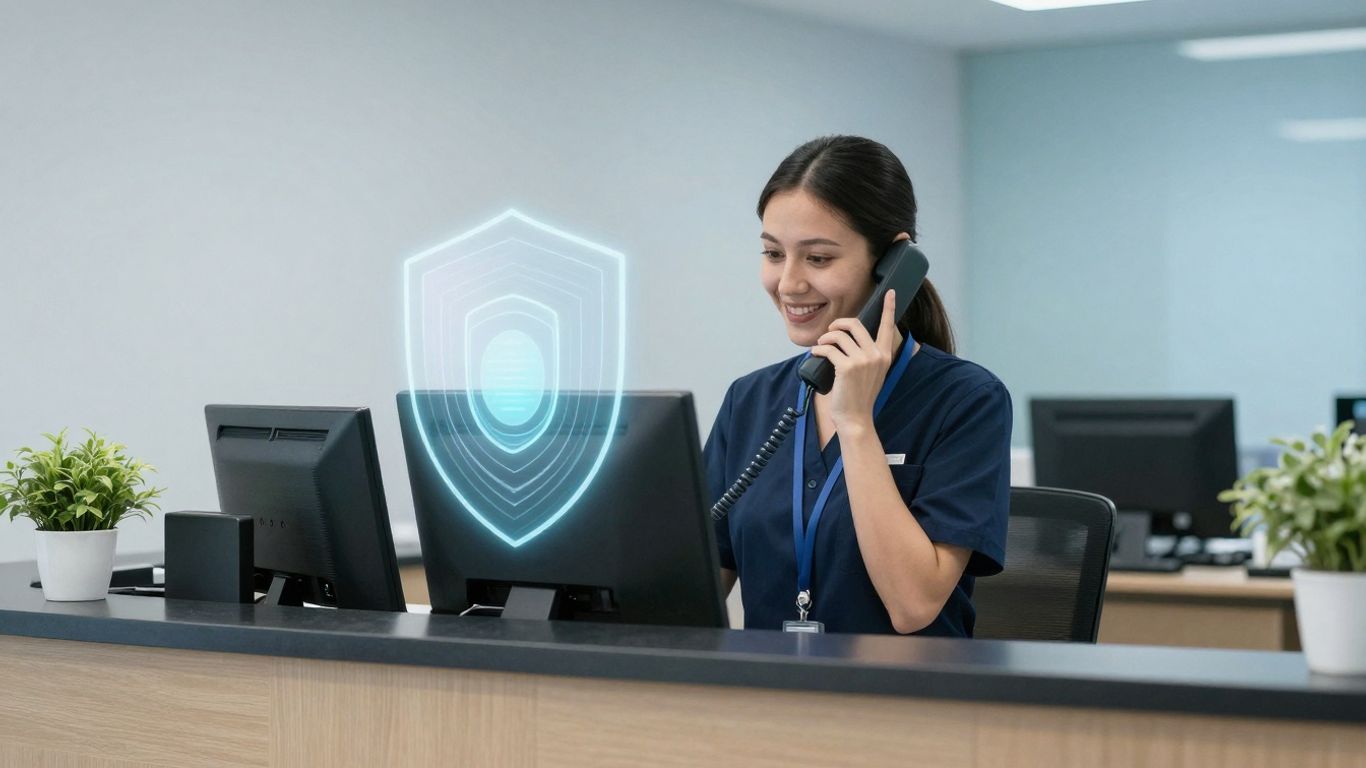
When you're dealing with patient information, security isn't just a good idea; it's the law. HIPAA lays down some pretty clear rules about how Protected Health Information (PHI) needs to be handled. A good answering service understands this and builds its operations around it. It's not about fancy tech jargon; it's about making sure patient data stays private and protected.
Think about how calls and messages travel. If they're sent over open lines, anyone could potentially intercept them. A HIPAA-compliant service uses secure channels for everything – phone calls, emails, even text messages. This means using encryption and other methods to scramble the data so it's unreadable to anyone who shouldn't see it. It’s like sending a letter in a locked box instead of on a postcard.
Encryption is key, both when data is being sent (in transit) and when it's stored (at rest). For data in transit, it’s about protecting it while it moves between systems. For data at rest, it means that even if someone managed to get into the servers where patient records are kept, the information would still be unreadable without the right decryption key. This is a non-negotiable part of keeping patient data safe.
Not everyone needs access to patient records. A compliant service has systems in place to make sure only authorized personnel can get to sensitive information. This often involves strong passwords and multi-factor authentication, like needing a password and a code sent to your phone. It’s about having layers of security to prevent unauthorized access.
What happens when someone accesses patient data? A HIPAA-compliant service keeps a detailed record of every access. This audit trail shows who accessed what information, when they accessed it, and what they did. This is vital for accountability. If something goes wrong, you can trace it back. It also helps identify any unusual activity that might signal a security issue before it becomes a major problem.
The core idea is simple: treat patient data with the same level of care and security you'd expect for your own most sensitive information. It's about building trust through reliable, secure practices.
Look, patient privacy isn't just a nice-to-have in healthcare; it's the bedrock. The Health Insurance Portability and Accountability Act, or HIPAA, lays down the rules for how Protected Health Information (PHI) gets handled. For any medical answering service, this isn't some optional guideline. It's the law. Ignoring it means you're not just risking fines; you're risking the trust patients place in you and your practice. It’s about keeping conversations and data secure, plain and simple.
So, why all the fuss about HIPAA? Because a data breach in healthcare isn't like a spilled coffee on your keyboard. It can have serious consequences for patients and providers alike. Compliance means PHI stays protected from prying eyes and unauthorized access. For a medical answering service, this is more than just a legal hurdle; it's a commitment. It shows patients you take their sensitive information seriously, which is pretty important when they're sharing details about their health. It’s about building a reputation for reliability and security.
Trust is earned, especially in healthcare. When a patient calls your practice, they expect their information to be handled with care. A HIPAA-compliant answering service demonstrates this care through concrete actions. This includes:
When a service signs a Business Associate Agreement (BAA), it's a formal commitment to protect PHI. This document clarifies responsibilities and reassures you that the provider understands their role in maintaining compliance. It’s a critical step in building a secure partnership.
Choosing a provider that prioritizes these security measures isn't just about avoiding trouble; it's about fostering a relationship with your patients built on confidence. It means they can focus on getting better, knowing their private information is safe. This level of security is what separates a good answering service from a great one, especially when you're looking for a 24/7 virtual receptionist that understands the healthcare landscape.

A medical answering service that actually works well isn't just about picking up the phone. It's about doing it right, every single time, especially when patient data is involved. This means the service needs to have some solid operational practices in place.
This is probably the most important part. If the people answering the phones don't know what they're doing regarding patient privacy, the whole system falls apart. They need to understand HIPAA rules, not just the basics, but the details. This includes knowing how to handle Protected Health Information (PHI) and what to do if something goes wrong. Regular training isn't a one-off thing; it needs to happen consistently to keep everyone up to speed on any changes or new threats.
The staff are the front line. If they aren't trained properly, all the fancy tech in the world won't stop a mistake from happening.
Healthcare doesn't stop at 5 PM. Patients have emergencies or urgent questions at all hours. A good answering service needs to be available around the clock. This isn't just about being 'open'; it's about having the infrastructure and staff to handle calls effectively at any time. This means no dropped calls, no missed messages, and always having someone ready to assist, no matter the day or time.
How information gets passed around is just as critical as who has access to it. A HIPAA-compliant service uses tools that are built for security. Think encrypted emails, secure text messaging platforms, and systems that prevent data from being exposed during transmission. If they're just using standard email or text messages, that's a big red flag. The communication needs to be as protected as the patient data itself.
This is a legal necessity. When a medical practice hires an answering service, that service becomes a Business Associate under HIPAA. They need to sign a Business Associate Agreement (BAA). This document spells out exactly how the answering service will protect patient data and what their responsibilities are. It's a formal commitment that shows they're serious about compliance and that the practice is doing its due diligence. Without a BAA, you're both exposed.

Think about the last time you were really sick. You call your doctor's office, and you're put on hold. And on hold. And then maybe you get a voicemail. It’s not a great feeling, right? A HIPAA-compliant answering service changes that. They're there 24/7, ready to take messages, schedule appointments, or handle urgent needs. This means patients get help faster, which, frankly, makes them happier. It’s simple: less waiting equals more satisfaction. This isn't just about being polite; it's about making sure people get the care they need without unnecessary delays.
When a patient calls, getting the right information to the right person quickly is key. A good answering service doesn't just take a message; they make sure it's accurate and delivered promptly. They understand medical terms, know who to contact for what, and use secure systems so nothing gets lost or misunderstood. This accuracy prevents mix-ups that could affect patient care. It’s like having an extra layer of quality control for your practice’s communications.
Medical needs don't stick to a 9-to-5 schedule. A HIPAA-compliant answering service provides a safety net for those times when your office is closed. Whether it's a patient with a question about medication or a more serious concern, the service can handle it. They can assess the urgency, provide basic guidance if trained, or ensure a doctor is notified immediately if it's an emergency. This constant availability shows patients you care about their well-being, no matter the hour.
Every interaction a patient has with your practice matters. An answering service is often the first or last point of contact. A professional, courteous, and efficient service reflects well on your entire practice. They act as an extension of your staff, maintaining a consistent tone and level of care. This professional front builds confidence and trust, making patients feel secure and well-looked-after.
Picking an answering service that actually gets HIPAA isn't like picking a brand of paper towels. It requires a bit more thought. You're not just looking for someone to answer phones; you're looking for a partner who understands the weight of patient data. This means looking beyond the sales pitch and digging into what they actually do.
Look for a service that's been in the healthcare trenches. They should know the lingo, understand the urgency of medical calls, and be familiar with the specific regulations. A general answering service might be okay for a pizza place, but for a doctor's office? Not so much. They need to grasp the nuances of Protected Health Information (PHI) and how to handle it without breaking any rules. Experience here isn't just a nice-to-have; it's a baseline requirement.
What kind of tech are they running? Are their systems up-to-date? Do they have solid plans for when things go wrong – like power outages or cyberattacks? A good provider will have robust encryption, secure communication channels, and clear protocols for data backup and recovery. You want to know that your patient data is safe, not just today, but also if disaster strikes. This isn't the place to cut corners.
How do they train their staff? Do the agents know HIPAA inside and out? Are they trained on patient confidentiality and the proper handling of sensitive information? A service that invests in specialized training for medical calls is a good sign. It shows they take their role seriously and understand the stakes involved. Ask about their ongoing training programs; compliance isn't a one-time thing.
Don't just take their word for it. See what other medical practices are saying. Look for reviews and ask for references. A reliable provider will have a track record of satisfied clients, especially within the healthcare industry. This feedback can tell you a lot about their service quality, responsiveness, and commitment to compliance. It’s like asking around before hiring a contractor – you want to know they do good work and don't cause problems.
Choosing the right partner here means you can focus on patient care, not worrying about data breaches or compliance fines. It's about finding someone who handles the administrative burden securely, allowing you to operate more smoothly and build stronger patient trust.
Let's be blunt: a data breach isn't just an inconvenience; it's a potential career-ender for a medical practice. The fines for HIPAA violations can be staggering, running into the millions. Beyond the financial hit, the damage to your reputation is often irreparable. Patients trust you with their most sensitive information. A breach shatters that trust, sending patients running to competitors. A HIPAA-compliant answering service acts as a critical shield, significantly reducing the risk of such breaches. It's not just about following rules; it's about safeguarding the very foundation of your practice: patient confidence.
Navigating the complex web of healthcare regulations can feel like a full-time job in itself. HIPAA compliance isn't a suggestion; it's a legal mandate. Failing to meet these standards opens your practice up to serious legal scrutiny, audits, and penalties. A dedicated HIPAA-compliant answering service provider understands these regulations inside and out. They have the systems and processes in place to meet these requirements, effectively mitigating your legal risk. Think of them as your outsourced compliance department for patient communications.
Beyond security and legalities, a good answering service just makes your practice run smoother. When your front desk isn't bogged down with routine calls, appointment scheduling, or after-hours inquiries, they can focus on in-office patients. This frees up your staff to handle more complex tasks, improving overall efficiency. A HIPAA-compliant service integrates with your existing workflows, ensuring that patient information is handled correctly without adding extra steps for your team. It's about making your operations more efficient, not more complicated.
Setting up and maintaining an in-house system that meets HIPAA standards is expensive. You'd need specialized hardware, secure software, ongoing training for staff, and constant monitoring. The costs add up quickly, not to mention the management overhead. Partnering with a specialized answering service provider is often far more cost-effective. You pay for a service that's already built, compliant, and managed by experts. This allows you to allocate your budget more strategically, focusing resources on patient care rather than IT infrastructure.
Using a HIPAA-compliant answering service gives your practice a real edge. It helps you keep patient information safe and sound, which is super important. This means you can focus more on caring for people and less on worrying about privacy rules. Want to see how we can help your medical business stay secure and run smoothly? Visit our website today to learn more!
Look, keeping patient data safe is a big deal. It’s not just about following rules; it’s about trust. A HIPAA-compliant answering service handles calls, messages, and data with the security you need. It means your patients’ information stays private, and your practice stays out of trouble. Picking the right service isn't complicated if you focus on what matters: security, proper training, and clear communication. Get this right, and you’ll spend less time worrying about compliance and more time on what you do best – caring for patients.
A HIPAA-compliant answering service follows strict rules to keep patient health information safe. This means they use special ways to send and store information so only the right people can see it. They also train their staff to be super careful with private patient details.
It's super important because it protects your patients' private health details. If this info gets out, your practice could face big fines and lose patients' trust. A compliant service helps you avoid these problems and shows patients you care about their privacy.
While some services might try, most aren't built with the special security needed for patient health info. A HIPAA-compliant service has specific technology and training to handle sensitive data correctly. It's not something you can just 'try' to do; it requires a dedicated system.
The staff get special training on rules like HIPAA. They learn how to protect patient information, keep conversations private, and understand why it's so important not to share anything they hear. They're taught to be very careful and professional.
It helps patients by making sure their information is always safe and private. It also means they can get help or answers to their questions anytime, even after hours, from people who know how to handle medical calls. This makes them feel more secure and taken care of.
A BAA is like a promise between your medical practice and the answering service. It's a legal paper that says the answering service will also protect patient information according to HIPAA rules. It makes sure they know their job is to keep patient data safe, just like you do.
Start your free trial for My AI Front Desk today, it takes minutes to setup!


