
Running a dental practice in 2025 means keeping up with a lot. Patients expect quick answers and easy scheduling, and your staff are probably swamped. That's where artificial intelligence comes in. AI receptionists can handle calls, book appointments, and manage messages, freeing up your team. This article looks at some of the best dental AI receptionist solutions out there to help your practice work smarter.
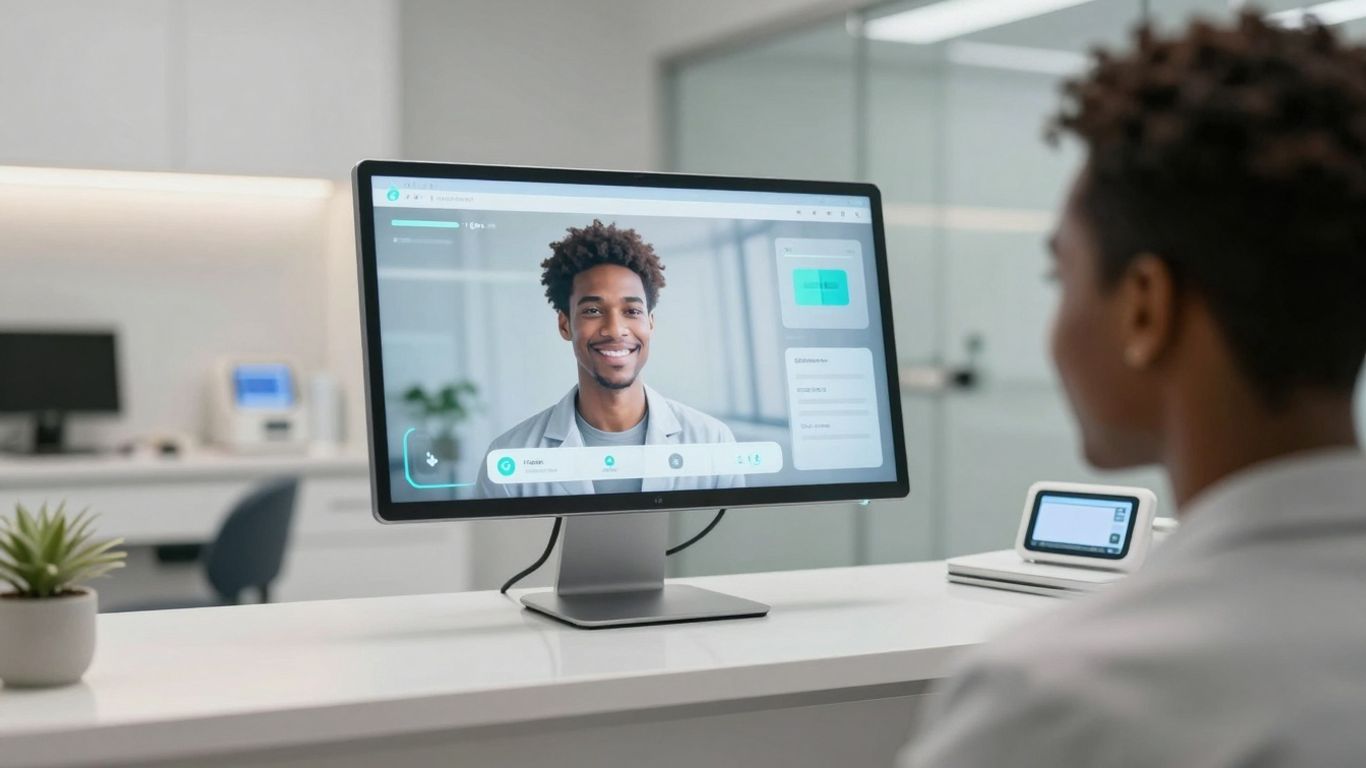
Rondah AI isn't just another chatbot trying to sound like a receptionist. It's built from the ground up for dental practices. Think of it as a specialist, not a generalist. It understands dental jargon, knows how long a filling takes, and can even figure out what you mean when you say "my tooth feels weird." This isn't guesswork; it's trained on dental specifics.
It handles calls, messages, appointment booking, and even insurance questions, all while integrating directly with your practice management software. This means no more double bookings or outdated patient info. It works like a human receptionist, but it never sleeps, never takes a break, and never gets overwhelmed during the lunch rush.
Here's what makes it stand out:
Many AI receptionists are built for general business. Rondah AI is built for dentistry. This focus means it solves problems specific to dental offices that generic solutions simply can't touch. It's the difference between a tool that's 'good enough' and one that's actually effective.
For dental practices serious about streamlining operations and capturing more patients, Rondah AI presents a compelling case. It's designed to grow with your practice, whether you're a single office or a large dental support organization (DSO).
Emitrr really gets dental practices. It’s not some generic tool you have to twist into shape. It just works with your existing systems, like Dentrix or OpenDental, right out of the box. Need to send appointment reminders? Or text patients who missed your call? Emitrr handles it. It’s like upgrading your front desk, not just automating it.
Think of it as a super-receptionist who’s always on, never misses a beat, and knows what patients need. You can even tweak the call flows to match your clinic’s vibe. And that missed call text-back feature? It means you don’t lose potential patients just because your team is busy.
The dashboard is simple, no coding needed. Your staff won’t need a tech guru to make changes. Want to run an SMS campaign? Easy. Need to chase down patient reviews? Emitrr can nudge happy patients to leave feedback.
Practices like Emitrr because they see results. Fewer no-shows, happier patients, and more positive reviews. When patients show up and are happy, your bottom line looks better too.
And the support? They’re good. Responsive, know their stuff, and seem genuinely invested in helping your practice grow.
In a market full of tools trying to do everything, Emitrr focuses on what you actually need. It’s more than just software; it’s a partner.
Emitrr stands out because it’s built for dental clinics. It automates communication, handles scheduling, and follows up with patients, all while staying HIPAA-compliant. It integrates smoothly with common practice management systems, making it a practical choice for reducing no-shows and improving patient engagement.
AI Frontdesk positions itself as a tool to help businesses convert more leads and boost revenue, offering a suite of products focused on both inbound and outbound lead management. Their core offering includes a virtual receptionist that handles calls, texts, and emails, aiming for 24/7 availability. A standout feature is their extensive Zapier integration, connecting with over 9,000 apps. This allows the AI receptionist to act as a central hub, enabling two-way data flow and triggering automated actions across your existing software stack in real-time. Think of it as turning your disconnected tools into a cohesive system.
They also offer an AI-powered CRM that aims to simplify interfaces by automatically organizing data based on conversations. For agencies and enthusiasts, a white-label reseller program lets you brand and sell their AI receptionist solutions under your own company name. This program includes support, training, and a management portal for handling multiple clients. The idea is to give you the tech and the framework to build your own AI services business.
The emphasis here is on integration and automation, turning a simple receptionist into a business operations engine. It’s about making your existing tools talk to each other and automating tasks that would otherwise eat up your day.
Key features include:
While not specifically tailored for the dental industry like some other solutions, AI Frontdesk's broad integration capabilities and focus on lead conversion make it a flexible option for businesses looking to streamline communication and automate workflows across various applications.
Truelark is an AI virtual assistant that aims to automate the front desk for dental and medical offices. It’s built to handle tasks like scheduling appointments and following up with patients, offering round-the-clock support without needing extra staff. This makes it a decent option for practices with multiple locations, helping to keep patient interactions consistent across all of them.
Key features include:
Truelark is particularly useful for practices that need basic automation for common front-desk tasks.
While Truelark can handle general inquiries and simple scheduling, it doesn't really get the specifics of dental terminology or complex appointment logic. It's more of a general-purpose tool that works across industries, rather than something built from the ground up for dentistry. This means it might struggle with multi-provider setups or detailed practice management system integrations that are common in dental offices.
It’s a good starting point for smaller clinics with less complex communication needs, but don't expect it to handle the intricate workflows of a busy dental practice on its own.
Arini is a bit of a curveball in the AI receptionist space. Most of the tools we're looking at are built to handle calls, book appointments, and generally keep the front desk humming. Arini, however, is different. Its main gig is in the clinical side of things, specifically with imaging.
Think of it as a super-powered assistant for reading X-rays and scans. It can spot potential issues that a dentist might want to double-check. This is great for standardizing how clinical findings are interpreted and can help dentists catch things earlier. It's a powerful tool for the clinical team, no doubt.
But here's the catch: it doesn't really do the receptionist stuff. It's not designed to answer incoming calls, manage patient schedules, or handle the day-to-day communication that keeps a practice running smoothly. If you're looking for an AI to take over your front desk duties, Arini isn't it.
Arini is built for the exam room, not the waiting room. Its strengths lie in clinical analysis, not patient communication or administrative tasks. While valuable for diagnostics, it doesn't fill the role of an AI receptionist.
So, while Arini is a strong player in its niche, it's not what you'd typically consider when searching for an AI receptionist to automate your front office. It's more of a specialized clinical AI.
Newton isn't really about being a receptionist. Think of it more as a marketing assistant for your dental practice. Its main job is to help you get patients back in the door and keep them engaged. It's good at sending out reminders, whether by email or text, and can be useful for bringing back patients who haven't been in for a while.
It's a tool for patient reactivation, not for handling live calls or managing the front desk.
Here's what it does well:
But don't expect it to answer your phones or book appointments on the fly. It doesn't have the ability to handle live calls, and it's not built to understand the nuances of dental scheduling or patient communication in real-time. It's a solid marketing add-on, but it won't replace your human receptionist.
Intelepeer is a platform that offers robust automation tools, primarily aimed at larger corporations. It has voice AI and workflow capabilities, but it's not specifically trained for the nuances of a dental practice. Think of it as a powerful engine that can be customized, but it requires significant technical setup and doesn't come with pre-built dental-specific logic.
What Intelepeer does well:
Where it falls short for dental practices:
Intelepeer is a tool for those who need to build their own sophisticated communication systems from the ground up. It's less of an out-of-the-box solution for a dental office and more of a framework for custom development. If your practice has unique, large-scale automation needs and the technical capacity to implement them, it might be worth exploring. Otherwise, you'll likely find more specialized, easier-to-implement options better suited for dental front-office tasks.
DentAI is an AI-powered virtual receptionist built specifically for dental clinics. It aims to take the load off administrative staff by handling calls, scheduling appointments, and generally making patient interactions smoother. Think of it as an extra pair of hands, but one that doesn't need coffee breaks and works 24/7.
One of the big selling points is how it integrates with existing practice management systems. We're talking Dentrix, Eaglesoft, OpenDental, and a bunch more. This means it can actually sync up with your current setup, not just sit there as a separate thing. It handles incoming calls, books appointments, and manages cancellations or reschedules, all while keeping your main system updated.
DentAI also makes sure no patient inquiry gets ignored, even after hours. It's designed to alleviate some of the burnout that seems to be everywhere these days, letting dentists and their teams focus more on actual patient care instead of getting bogged down in admin.
Key features include:
DentAI aims to streamline workflows and reduce the administrative burden on dental staff, ultimately improving the patient experience through consistent and efficient communication.
MaxAssist is a software solution designed to help dental offices run smoother by handling those administrative tasks that eat up valuable time. Think of it as an on-screen helper for your front desk staff. It focuses on making sure things like patient recalls, appointment confirmations, and follow-ups actually get done, consistently and on schedule. This is important because, let's face it, dental clinics often deal with missed appointments and the revenue that walks out the door with them. MaxAssist aims to fix that by automating patient communication and freeing up your team to focus on more important things, like patient care.
One of its key features is the on-screen task assistant. It guides your front desk staff through recalls and follow-ups in real-time, making sure no patient gets forgotten. It also automates appointment reminders via text and email, which is a pretty standard but effective way to cut down on no-shows. For optimizing recall and recare, it identifies patients who are overdue for a visit, helping you re-engage them. And importantly, it integrates with your existing practice management software, so it doesn't create a whole new system you have to learn. The goal here is straightforward: boost efficiency and revenue by automating the tedious stuff.
MaxAssist tackles the administrative overload that often bogs down dental practices. By automating routine patient engagement, it allows staff to concentrate on higher-value activities, ultimately improving both operational flow and patient satisfaction.
It's built to work with what you already have, which is a big plus. If you're looking to streamline operations and make sure revenue-generating tasks aren't slipping through the cracks, MaxAssist is worth a look. It's a practical tool for dental offices trying to get a better handle on their administrative workflow and patient outreach. You can find out more about how these tools are revolutionizing dental care here.
Smith.ai offers a blend of AI and human receptionists, aiming to cover your dental practice's front desk needs. It's not purely AI, which can be a good thing if you want that human touch, but it also means it's not as automated as some other options. They have live agents who can speak both English and Spanish, which is a plus for practices with a diverse patient base.
This hybrid approach means you can have AI handle some tasks and then hand off more complex calls or specific requests to a live person. It integrates with common tools like Salesforce and Google Calendar, keeping your patient data organized. They also offer custom chat widgets for your website, which can help capture leads or answer basic questions.
Smith.ai can be a solid choice if you're looking for that mix of technology and human interaction. However, the live agent plans can get pricey, and it's not exclusively built for dental workflows, which might mean a bit more setup on your end compared to a dental-specific solution.
Smith.ai offers smart tools to help your business. Imagine having a helpful assistant that answers calls all day, every day, and even books appointments for you. We also have a chatbot that can talk to people on your website in real-time, helping them find what they need. It's like having an extra team member, but it's powered by smart technology. Want to see how it works? Visit our website to learn more and get started!
Look, AI receptionists aren't magic bullets, but they're getting pretty close for dental offices. The tech is here, it works, and it's only getting better. Practices that ignore this are just making life harder for themselves and their staff. You can keep doing things the old way, sure, but don't be surprised when your competitors, who are using these tools, are the ones booking more appointments and keeping patients happier. It’s not about replacing people; it’s about giving your team a break and making sure no call goes unanswered. The smart move is to look at what's out there, pick one that fits, and get started. Waiting too long means you're just falling behind.
Think of an AI receptionist as a super-smart helper for your dental office. It's like a digital assistant that can answer the phone, book appointments, and answer common patient questions, even when your office is closed. It uses artificial intelligence to understand what people are asking and respond helpfully, making sure no one is left waiting or feeling ignored.
Yes, many of the best AI receptionists are trained specifically for dental offices. This means they know dental words, understand common procedures, and can even ask the right questions to figure out if a patient has an emergency or just needs a regular check-up. They're designed to handle dental-specific conversations smoothly.
Not at all! While AI handles the basic tasks, it's programmed to sound friendly and professional, just like your human staff. Many systems let you customize how the AI speaks, so it can match your office's unique style. This way, patients still feel cared for and understood, even when they're interacting with AI.
Great question! The top AI receptionist tools can connect directly to your dental practice management software (like Dentrix or OpenDental). This connection is super important because it lets the AI check your real appointment schedule, book new times, and update patient info automatically. It means less work for your staff and fewer mistakes.
Absolutely. Reputable AI receptionist services understand how important patient privacy is. They follow strict rules, like HIPAA in the US, to make sure all the information they handle is kept safe and private. This includes using secure ways to communicate and store data.
Nope! Most of these systems are made to be easy to use, even if you're not a computer whiz. They often have simple setup guides and offer help from their support teams. The goal is to make it simple for you to start using the technology without a big learning curve.
Start your free trial for My AI Front Desk today, it takes minutes to setup!


