
Running an online store can be a lot. You're trying to keep up with orders, manage inventory, and, of course, talk to customers. But what if there was a way to make customer service easier and even boost your sales? That's where a customer service AI chatbot platform for ecommerce comes in. Think of it as your always-on assistant, ready to help shoppers and free up your team. We'll look at how these tools can really change the game for your business.
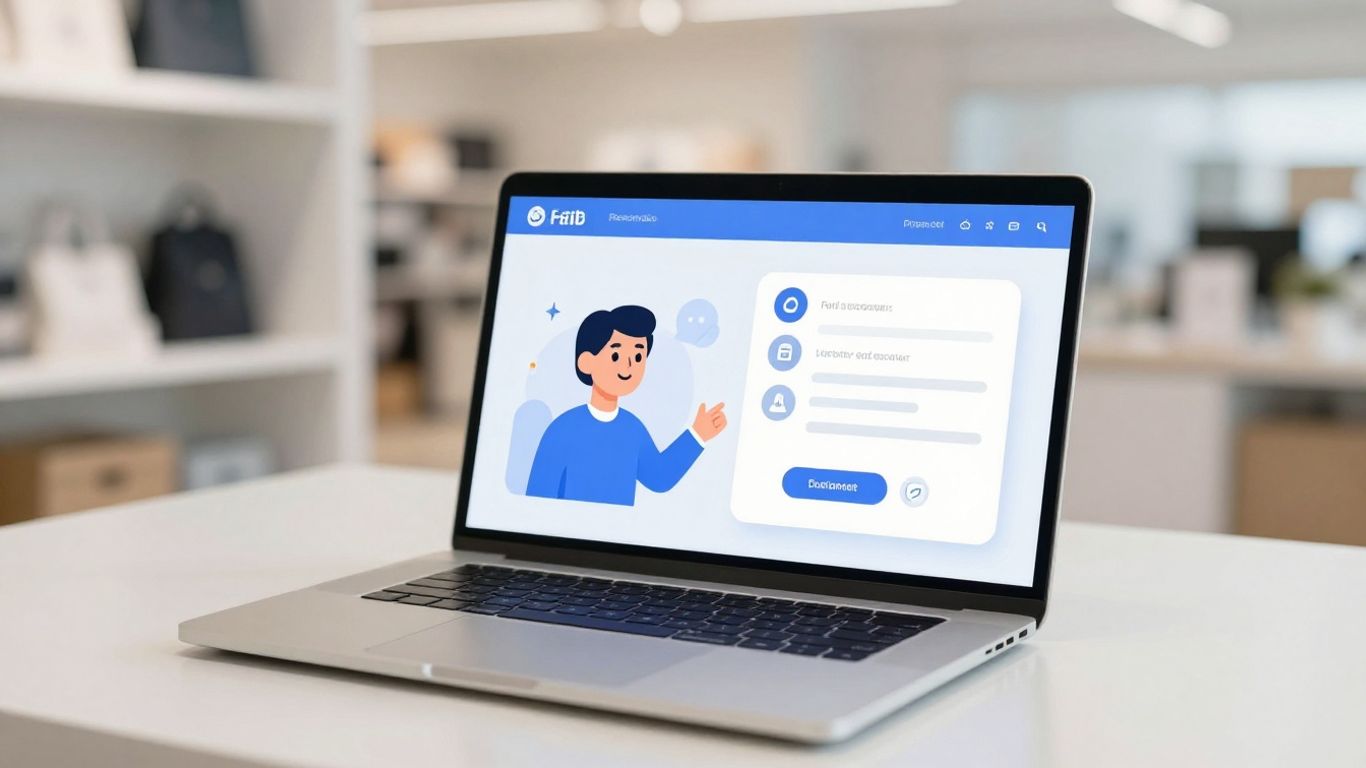
Look, customer service can be a real drag. Most of it is just answering the same questions over and over. "Where's my order?" "How do I return this?" "What are your shipping costs?" It eats up time your team could be using for, you know, actual selling or figuring out why that one product just isn't moving.
This is where AI chatbots really shine. They're like having a tireless intern who only knows how to answer FAQs. You feed them your product info, your return policy, your shipping details – basically, anything that comes up more than twice a day. Then, poof, they handle it. This frees up your human agents to deal with the tricky stuff, the customers who are actually having a problem, not just asking for information readily available on your site.
People shop at all hours. They have questions at 2 AM. If you're not there, they might just go somewhere else. An AI chatbot doesn't sleep. It doesn't take breaks. It's always on, ready to help. This means no more lost sales because someone couldn't get an answer right away. It’s about being available when your customer is, not just when your office is open.
The market for chatbots is growing fast. By 2030, it's expected to be worth billions. Businesses are pouring money into them because they work. They're not just fancy gadgets; they're becoming a core part of how companies operate.
Think about it. No one likes waiting on hold. No one likes getting a generic, unhelpful email response hours later. An AI chatbot can provide immediate, accurate answers. It can even personalize the interaction based on what it knows about the customer. This makes the whole shopping experience smoother, less frustrating, and frankly, more pleasant. Happy customers tend to come back. And they tell their friends. That's good for business.
Forget generic suggestions. AI chatbots can look at what a customer is browsing, what they've bought before, or even what's in their cart, and then suggest something that actually makes sense. It's like having a sales associate who knows your inventory inside and out and remembers every customer's preferences. This isn't just about showing more products; it's about showing the right products. Think suggesting a matching scarf for a sweater, or a compatible accessory for a gadget. This kind of tailored approach makes customers feel understood and can significantly increase the chances they'll find something they want to buy.
Sometimes, people know what they want but get stuck. Maybe they have a question about shipping, a specific feature, or how to use a product. A chatbot can step in right there, providing instant answers that clear up confusion. It can also proactively guide them, perhaps by highlighting popular choices, showing reviews, or even offering a small discount if they're on the fence. The goal is to remove any friction between a customer's interest and their click on the 'buy' button. This means being available not just to answer questions, but to actively help them complete the transaction.
Not everyone is ready to buy on their first visit. That's fine. A chatbot can still be useful by collecting contact information. Instead of just letting a visitor leave, the bot can offer something in return for their email – maybe a discount code for their next purchase, early access to new products, or a helpful guide. This turns a missed opportunity into a future one. You get a lead to nurture, and the customer gets a reason to come back. It's a simple exchange that builds your marketing list and keeps your brand top-of-mind.
This isn't just about having a chatbot; it's about making it play nice with everything else you're already using. Think of it like adding a new, super-smart employee to your team – they need to know how to use the existing tools. That's where integration comes in.
Your chatbot needs to understand your store. If a customer asks about a specific product, the bot should be able to pull up details, check stock, or even process a return. This means it needs to talk directly to your ecommerce platform, whether that's Shopify, WooCommerce, or something else. This isn't just a nice-to-have; it's how you avoid those frustrating moments where the bot says, "I don't know," when the answer is right there in your product catalog. A good platform makes this connection feel like it was built for your store from day one. It’s about making the bot an extension of your online shop, not a separate entity.
Customer data is gold. Your chatbot should be able to tap into your CRM (Customer Relationship Management) system to see a customer's history. Did they buy before? What did they buy? This context allows the bot to offer more personalized help and recommendations. It also means that when a conversation needs to be handed off to a human agent, that agent has all the background information. This prevents customers from having to repeat themselves, which is a surefire way to annoy them. Think of it as giving your support team a cheat sheet for every customer interaction. Tools like Zendesk are common here.
Sometimes, the integrations you need aren't built-in. That's where tools like Zapier come in. Zapier acts as a bridge between thousands of different apps. So, if your chatbot identifies a lead, Zapier can automatically add that lead to your email marketing list. If a customer leaves a voicemail, the AI can transcribe it and create a task for your sales team. This automation is what turns a chatbot from a simple Q&A tool into a productivity engine. It connects the dots, making sure that every interaction, even after hours, contributes to your business goals. It’s about making your systems work together, automatically, without you having to manually move data around. This kind of automation is key for scaling operations efficiently.
This is where the magic happens. Your chatbot doesn't just look for keywords; it actually understands what people are saying. Think of it like this: someone types "I need a dress for a summer wedding, something flowy." A basic bot might just search for "dress." But one with good Natural Language Understanding (NLU) gets it. It knows "summer wedding" implies a certain style and "flowy" is a fabric preference. It grasps intent, not just words. This means fewer confused customers and more people finding what they actually want, fast.
Ever talked to a bot that made you repeat yourself? Annoying, right? Context-aware AI remembers what you were just talking about. If a customer asks about a specific shirt, then later asks "Does it come in blue?", the bot knows "it" refers to that shirt. It keeps track of the conversation thread. This makes the interaction feel more human and less like filling out a form. It’s about building on the last message, not starting fresh every time.
This is the cutting edge. Generative AI can create brand new text that sounds like a real person wrote it. Instead of just pulling from pre-written answers, it can craft unique responses on the fly. This means your chatbot can handle more complex questions, explain product features in detail, or even offer creative styling advice. It’s the difference between a script and a conversation. The goal is to make the interaction so smooth, customers forget they're talking to a bot at all.
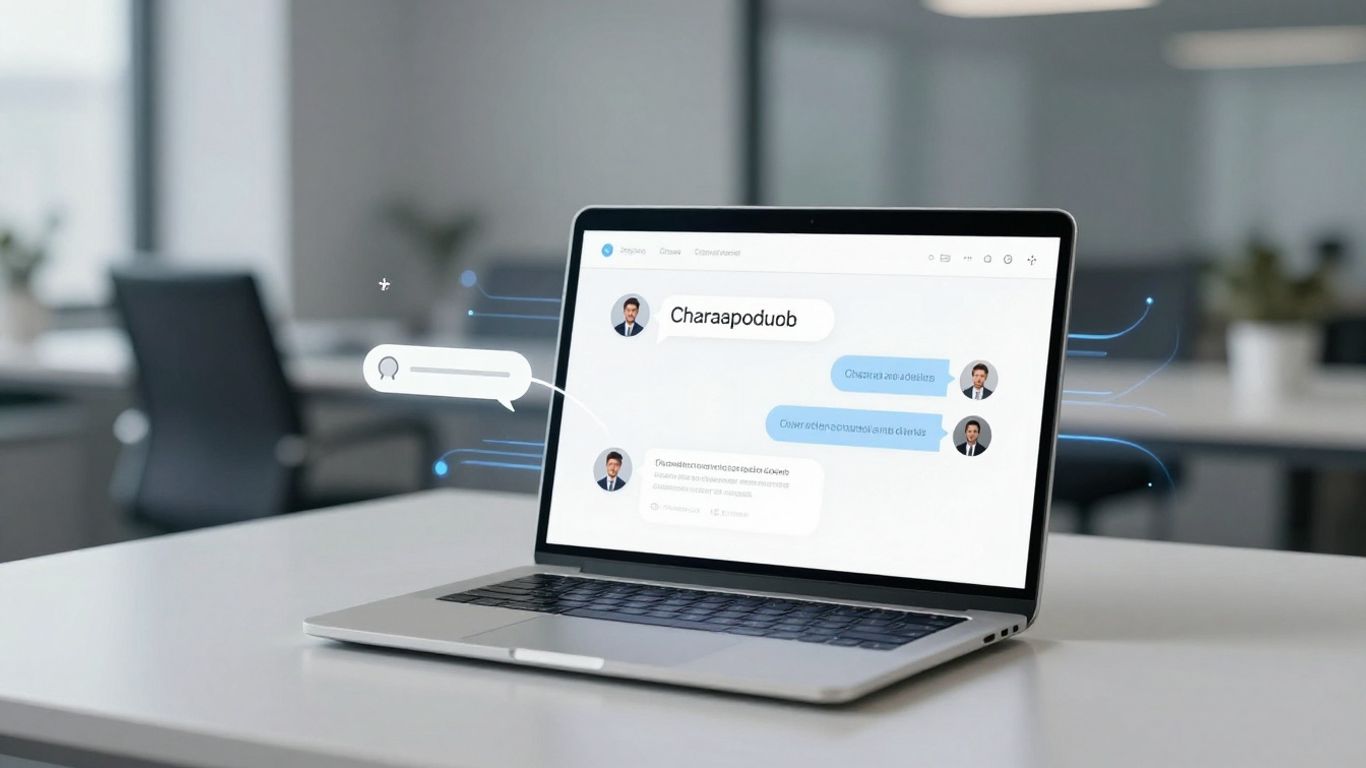
Running an online store means you're always on, and your customer service needs to keep up. That's where a good AI chatbot platform really shines. It's not just about answering questions; it's about handling a flood of them without breaking a sweat.
Think about those moments when your store suddenly gets a ton of traffic. Maybe a product goes viral, or you run a big sale. Normally, this would mean your support team is swamped, calls go unanswered, and customers get frustrated. An AI chatbot, though? It can handle thousands, even tens of thousands, of conversations at the same time. It doesn't get tired, it doesn't get overwhelmed. It just keeps going, ensuring every customer gets a response, no matter how busy things get. This means you don't miss out on sales just because your phone lines are full.
Your human support agents are valuable. They're best used for the tricky, nuanced problems that require a human touch. But how much of their day is spent answering the same basic questions over and over? "What's your return policy?" "Where's my order?" "Do you ship to Canada?" An AI chatbot can take on about 70% of these routine inquiries. This frees up your team to focus on complex issues, build stronger customer relationships, and generally do more impactful work. It's like giving your team a superpower, letting them focus on what they do best.
When you have multiple people answering questions, it's easy for the tone and information to vary. One agent might be super formal, another super casual. One might give slightly different details about a promotion. An AI chatbot, once programmed, delivers the exact same message, tone, and information every single time. This consistency builds trust and reinforces your brand identity. It ensures that whether a customer interacts at 9 AM or 9 PM, on Monday or Saturday, they get the same reliable experience. This uniformity is hard to achieve with a human-only team, especially as you scale.
The real win here is that the AI handles the predictable, repetitive tasks so your human team can handle the unpredictable, high-value interactions. It's not about replacing people; it's about making them better at their jobs by removing the drudgery.
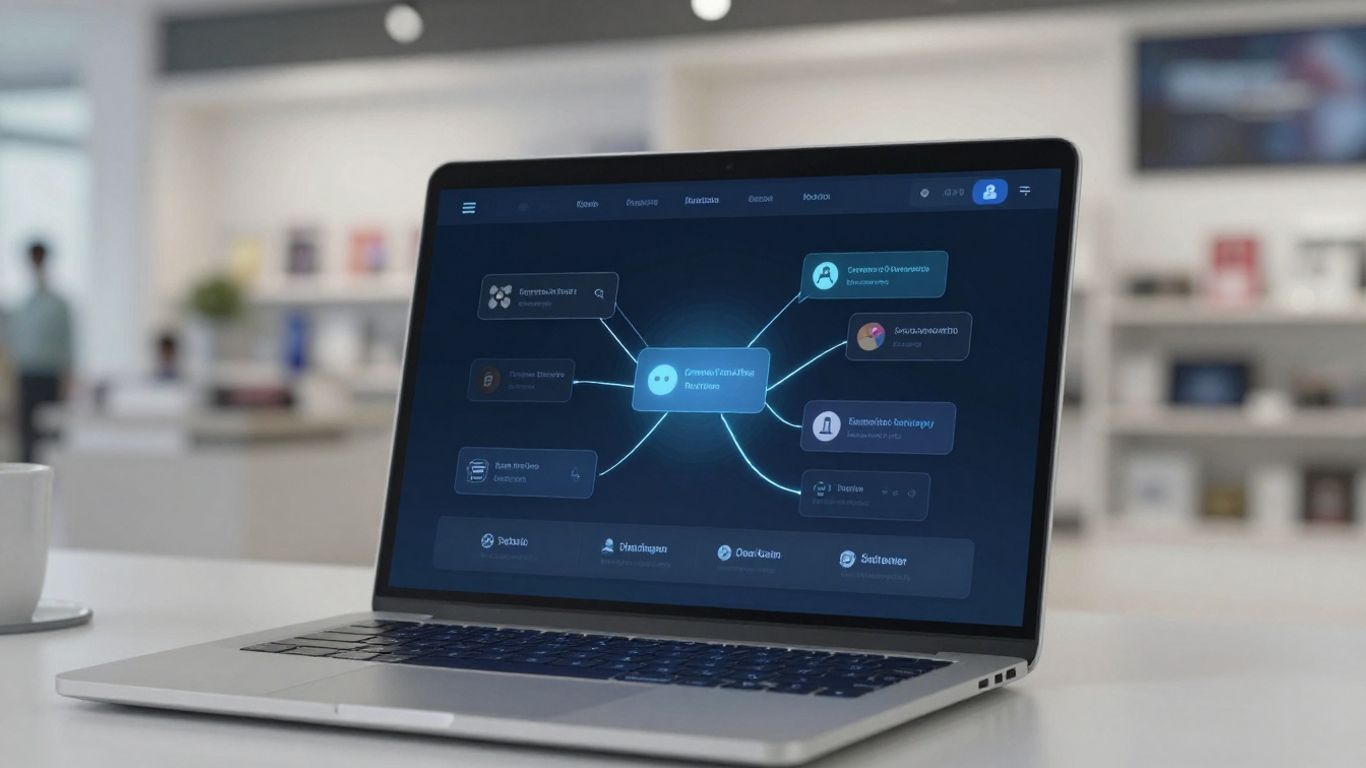
Voicemails used to be a black hole for customer inquiries. Now, AI turns them into actionable text. When a customer leaves a message, the system automatically transcribes it. This means you can quickly read important messages instead of listening to them. It's organized, searchable, and means you don't miss critical details. This makes managing messages way simpler, even when you're not around to pick up the phone.
Imagine your AI chatbot could send a text message mid-conversation. It can. Based on what the customer is asking, the AI can trigger an SMS. For example, if someone asks for pricing, the AI can text them a link to your rate sheet. Or if they need product specs, it sends the PDF. This happens in real-time, without interrupting the call flow. It's about giving customers the info they need, exactly when they need it. This makes interactions smoother and more helpful. You set up these scenarios in plain English, and the AI handles the rest. It's a smart way to deliver information quickly.
This is where things get really interesting. The AI doesn't just talk; it acts. When a call ends, or a specific need is identified, the system can automatically create tasks. For instance, if a customer expresses interest in a follow-up, a task can be generated for your sales team. An appointment made? It goes straight into your calendar. This integration means less manual data entry and fewer missed opportunities. It connects the conversation directly to action, making your whole operation run tighter. It’s like having a personal assistant who never sleeps, always ready to organize your next steps. This kind of automation is key for keeping up with customer demands and streamlining your internal processes. It connects your customer interactions to your business operations, making everything flow better. For businesses looking to automate these kinds of workflows, tools like Frontdesk AI can be a good starting point.
Imagine your business running smoother than ever with smart ways to handle communication. Our intelligent systems make sure every customer gets the attention they deserve, automatically. Ready to see how easy it can be? Visit our website to learn more and get started today!
Look, adding an AI chatbot to your online store isn't some futuristic dream anymore. It's a practical step that can actually make a difference. Think about it: fewer missed questions, happier customers, and more time for you to actually run your business instead of just answering the same things over and over. It's not about replacing people, it's about giving them a better tool. And honestly, if you're not looking at this stuff now, you're probably falling behind. It's just that simple.
Think of an AI chatbot as a super-smart helper for your online shop. It's like a computer program that can talk to your customers, answer their questions, help them find what they're looking for, and even help them buy things. It uses artificial intelligence to understand what people are asking and respond in a way that feels natural, almost like talking to a real person.
These chatbots are great at helping people decide to buy. They can suggest products you might like based on what you're looking at, answer questions about items right away, and even remind people about things they left in their cart. By making shopping easier and faster, they help turn visitors into paying customers.
Not really! Instead, it helps your team by handling all the simple, everyday questions, like 'Where is my order?' or 'What's your return policy?'. This frees up your human team to deal with the more complicated problems that really need a person's touch, making everyone happier and more efficient.
Absolutely! Good chatbot systems can connect with your other important tools, like your customer list (CRM) or your online store platform. This means the chatbot has all the information it needs to give accurate answers and can even update your records automatically, saving you a lot of manual work.
Most modern chatbot platforms are designed to be super easy to use. Often, you just need to give the chatbot some information about your business, like your website or product details, and it can start helping customers right away. You don't usually need to be a computer expert to get it running.
Yes! That's one of the biggest advantages. AI chatbots work 24/7, meaning they're always available to help your customers, even in the middle of the night or on holidays. This constant availability means you never miss a chance to help a customer or make a sale.
Start your free trial for My AI Front Desk today, it takes minutes to setup!


