
Running a car dealership these days can feel like a constant juggling act. You've got leads coming in, appointments to book, customers to talk to – it's a lot. What if there was a way to make some of that easier, to have an extra pair of hands that never sleeps? That's where a virtual assistant for auto sales comes in. Think of it as your dealership's new best friend, ready to handle the busywork so your team can focus on what really matters: selling cars and keeping customers happy. This guide is all about showing you how these digital helpers can make a real difference.
So, what exactly does a virtual assistant do for a car dealership? Think of it as having an extra set of hands, but these hands are digital and work around the clock. It's not just about answering phones anymore; it's about managing the constant flow of potential customers who reach out through various channels. These assistants are designed to handle a lot of the initial legwork, freeing up your sales team to do what they do best: sell cars.
A virtual assistant in the auto sales world is essentially a remote employee or an AI-powered system that takes on specific tasks related to customer interaction and dealership operations. They aren't physically in the showroom, but they're fully integrated into your workflow. This means they can respond to inquiries, qualify leads, schedule appointments, and even follow up with customers, all without needing a desk in your office. The main goal is to improve efficiency and customer experience by handling repetitive or time-consuming tasks.
Virtual assistants can take on a surprising number of roles that directly impact your dealership's bottom line. Here are some of the most common and impactful functions:
Dealerships have always needed ways to manage customer interactions. In the past, this meant a dedicated Business Development Center (BDC) team, often in-house. But as technology advanced and customer expectations shifted towards instant responses, the need for more scalable and efficient solutions grew. Virtual assistants, especially those powered by AI, represent the next step in this evolution. They offer a way to provide consistent, high-quality support 24/7, something that's difficult and expensive to achieve with human staff alone. This shift allows dealerships to adapt to a digital-first market where customers expect immediate engagement across all platforms.
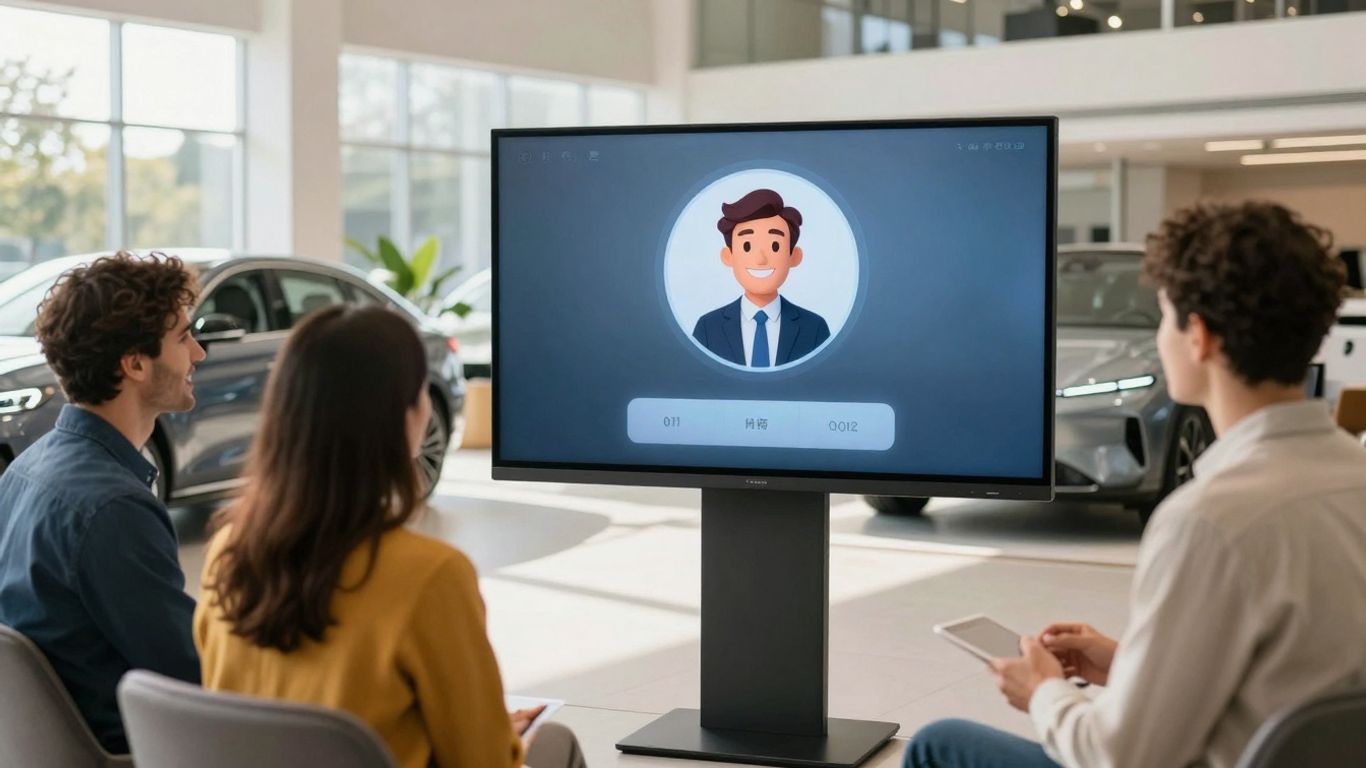
Let's talk about leads. You know, those potential customers who show interest in a vehicle. In the fast-paced world of car sales, managing these leads effectively is super important. If you drop the ball, that lead could easily end up at a competitor's lot. This is where AI assistants really shine, stepping in to make sure no opportunity slips through the cracks.
Think about how many leads your dealership gets daily. Sifting through them to figure out who's serious and who's just browsing can take a ton of time. AI assistants can automate this. They can ask initial questions to gauge interest, budget, and timing. This means your sales team spends less time on leads that aren't ready and more time on those who are likely to buy. It's about working smarter, not just harder.
This process helps your team focus on the hottest prospects, improving the chances of a quick sale. Some dealerships have seen significant jumps in lead-to-sale conversions by using these tools.
Customers don't always shop during business hours. A lot of car research happens late at night or on weekends. If a potential buyer fills out a form on your website at 10 PM, they expect a response sooner rather than later. An AI assistant doesn't sleep. It's there around the clock, ready to answer questions, provide information, and keep that prospect engaged until a human salesperson can take over. This constant availability is a huge plus for customer communication.
Speed is everything in sales. Studies show that the faster you respond to a lead, the higher your chances of closing a deal. Waiting even a few hours can mean losing a customer. AI assistants drastically cut down response times. They can handle initial interactions instantly, freeing up your sales staff to handle more complex conversations and close deals. This also means fewer leads go cold because they weren't followed up on quickly enough. It's a win-win for the dealership and the customer.
The ability of AI to manage multiple conversations simultaneously and provide instant, relevant information is a game-changer for dealerships. It ensures that every potential customer feels heard and valued, regardless of when they reach out.
By automating these initial stages of lead management, AI assistants allow your human team to focus on building relationships and making sales, rather than getting bogged down in administrative tasks. It's about making your sales process more efficient and effective.
Getting potential buyers into your showroom or service bay is the name of the game, right? But let's be honest, manually booking test drives and service appointments can feel like a full-time job on its own. It's easy for things to slip through the cracks, especially when your sales team is busy with walk-ins or on the phone. This is where a virtual assistant really shines, taking the hassle out of scheduling.
Think of your virtual assistant as the ultimate connector. It doesn't just take messages; it actively works with your existing calendar and booking software. Whether you're using Google Calendar, Outlook, or a specialized dealership management system (DMS), the assistant can plug right in. This means when a customer expresses interest in a specific vehicle or needs a service slot, the assistant can check availability in real-time and book it directly. No more back-and-forth emails or phone tag trying to find a time that works for everyone. This direct integration cuts down on errors and speeds up the entire process.
Imagine a customer browsing your website late at night. Instead of leaving a form and hoping for a callback the next day, they can interact with your AI assistant. The assistant can answer initial questions about a car, then offer to book a test drive. It can present available slots based on your team's schedule and confirm the booking instantly. The same goes for service appointments. The assistant can ask about the vehicle, the issue, and then find the next available service bay and technician, booking the appointment without human intervention. This 24/7 booking capability means you're capturing opportunities even when your dealership is closed.
Even with a confirmed appointment, no-shows can still happen. Virtual assistants can combat this with smart reminder systems. Instead of a generic text, the assistant can send personalized reminders via SMS or email at pre-set intervals – perhaps 24 hours before and then again an hour before the appointment. These reminders can be interactive, allowing customers to confirm their attendance with a simple reply. If a customer needs to reschedule, the assistant can even facilitate that, offering alternative times and updating your calendar automatically. This proactive approach significantly cuts down on missed appointments, saving your dealership time and potential revenue.
Here's a quick look at how automated reminders can help:
The ability for an AI to manage the intricate dance of scheduling, from initial inquiry to final confirmation and reminders, frees up your human staff to focus on what they do best: building relationships and closing deals. It's about making the customer's journey smoother from the very first click.

Let's face it, talking to customers can be tough. You want to be helpful, friendly, and quick, but there are only so many hours in the day. That's where AI assistants really shine. They can handle a lot of the back-and-forth, making sure no one feels ignored.
Think about it: a customer calls or texts your dealership. They're probably looking for information about a car, a service appointment, or maybe even financing. An AI assistant can jump in right away, answering common questions or gathering initial details. This means your sales team doesn't have to spend time on repetitive queries; they can focus on customers who are ready to buy. It's like having an extra team member who's always on duty, never gets tired, and can talk to dozens of people at once without breaking a sweat. They can even adapt their tone to match your dealership's style, making interactions feel more natural.
Customers today expect you to know them. They don't want to repeat themselves every time they reach out. AI assistants can look at a customer's history – what cars they've looked at, past service visits, or previous conversations – and tailor their responses. If someone is asking about a specific SUV, the AI can pull up details about that model and even suggest similar ones they might like, all based on what it knows about them. This applies whether they're contacting you via text, email, or even a chat on your website. It makes the customer feel seen and understood, which is a big deal in building loyalty.
Now, AI isn't just for simple "what time are you open?" questions. The newer systems are pretty smart. They can understand more complicated requests, figure out what the customer really needs, and even guide them through processes. For example, if a customer is asking about trade-in values and financing options, the AI can gather all the necessary information and then pass it along to the right person on your sales team, already prepped with the details. This saves everyone time and makes the whole process smoother for the customer. It's about using technology to make those tricky conversations easier and more productive.
So, you've decided to bring a virtual assistant into your dealership. That's a smart move. But how do you make sure this new digital team member actually works well with everything else you've got going on? It's not just about plugging it in and hoping for the best. You need to think about how it talks to your other systems.
Your Customer Relationship Management (CRM) system is probably the heart of your sales operation. It's where all your customer info lives, where deals are tracked, and where follow-ups are planned. The virtual assistant needs to connect smoothly with your CRM. If it can't, you're looking at a lot of manual data entry, which defeats the purpose of automation. Think about it: if the assistant talks to a customer, qualifies them, and sets an appointment, that information needs to go straight into your CRM so your sales team knows what's happening. Without that link, you've got information silos, and that's a recipe for missed opportunities.
Here's what to look for:
What if your virtual assistant doesn't directly connect to every single tool you use? That's where services like Zapier come in. Zapier acts like a bridge between different apps. You can set up "Zaps" that say, "When X happens in App A, do Y in App B." This is super handy for connecting your virtual assistant to things beyond just your CRM.
Think about these possibilities:
Zapier supports thousands of apps, so the possibilities are pretty vast. It means your virtual assistant can become a central hub, triggering actions across your entire digital ecosystem.
When your virtual assistant is properly integrated, it's more than just a tool; it becomes part of your dealership's "nervous system." Information flows freely and quickly between different departments and systems. Your sales team gets instant updates, your service department knows about upcoming appointments, and marketing can see which leads are most engaged. This interconnectedness means:
Integrating your virtual assistant isn't just about adding a new piece of tech; it's about making your entire dealership operate more intelligently. It's about creating a system where information moves where it needs to, when it needs to, without human bottlenecks. This level of integration is what separates dealerships that are just keeping up from those that are truly leading the pack in the digital age.
Getting this integration right means your virtual assistant isn't just handling calls or messages; it's actively contributing to the efficiency and profitability of your entire operation.
So, you're thinking about bringing an AI assistant into your dealership. That's smart. But the big question on everyone's mind is usually about the money. Does it actually save us cash, and does it bring in more sales? The short answer is yes, but let's break down why.
Think about all the tasks your team currently handles that an AI could do. We're talking about things like answering basic questions, scheduling appointments, and even initial lead qualification. When an AI takes over these repetitive jobs, your human staff are freed up to do more complex, high-value work, like building relationships with customers or closing deals. This means you can potentially handle more business without needing to hire as many people, or at least, you can reallocate your existing staff to where they're most needed. It's about working smarter, not just harder.
Here's a quick look at how costs can shift:
Note: Actual costs will vary based on the specific AI solution and dealership size.
This is where the rubber meets the road. AI assistants are really good at responding to leads quickly, often much faster than a human can, especially after hours. Studies show that the faster a dealership responds to a new lead, the higher the chance of converting that lead into a sale. AI tools can automate this speed-to-lead process, making sure no potential customer is left waiting. They can also help re-engage old leads that might have gone cold, bringing them back into the sales funnel. This direct impact on sales is what really shows the return on investment.
The real win with AI isn't just about cutting costs; it's about creating more opportunities. By handling the routine and ensuring no lead slips through the cracks, AI assistants directly contribute to a healthier sales pipeline and, ultimately, more vehicles sold. It's an investment in efficiency that pays dividends in revenue.
When you look at the cost of an AI assistant, it might seem like a significant upfront or monthly expense. However, it's important to compare this to the total cost of employing human staff for similar tasks. Consider salaries, benefits, training, office space, and the potential for human error or burnout. An AI assistant works around the clock without breaks, doesn't need benefits, and performs tasks with consistent accuracy. While AI isn't a complete replacement for human interaction, it can handle a large volume of tasks at a fraction of the cost of a full-time employee dedicated to those specific duties. For instance, an AI receptionist can manage calls and appointments at a much lower per-interaction cost than a human receptionist, especially when you factor in 24/7 availability. You can explore options like AI phone agents that automate many of these functions.
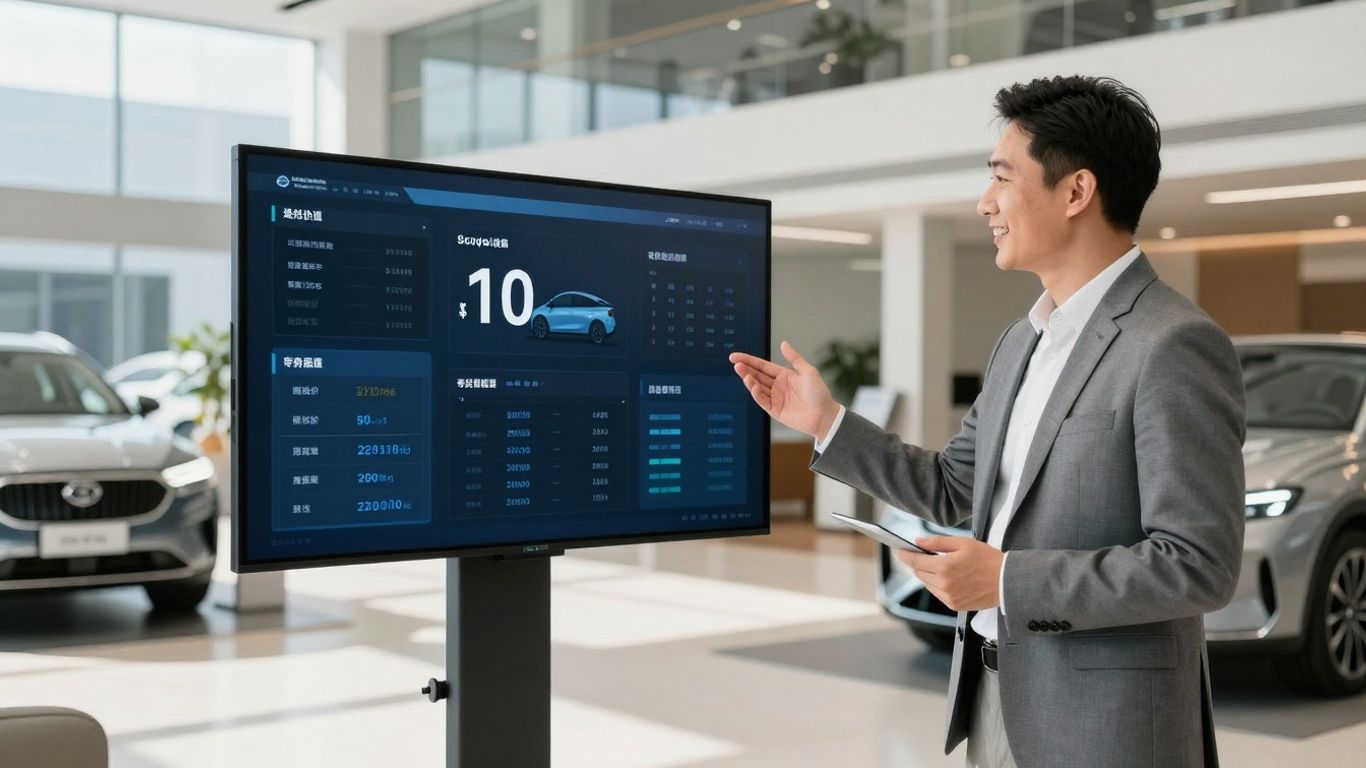
Picking the right virtual assistant for your dealership isn't like grabbing the first shiny object you see. It's more like choosing a new team member – you want someone who fits, does the job well, and doesn't break the bank. So, how do you actually find that perfect fit?
First off, you gotta know what you're trying to fix or improve. Are you drowning in leads and can't keep up with follow-ups? Maybe your appointment setting is a mess, with too many no-shows. Or perhaps customer communication feels a bit… robotic and impersonal. Jotting down your biggest pain points is step one. Think about what tasks take up too much of your team's time or what areas are costing you sales. Do you need 24/7 coverage, or is help during peak hours enough? Knowing your specific needs will guide you toward the right kind of AI support.
Once you know what you need, start looking at what these virtual assistants can actually do. Some are great at just answering basic questions, while others can handle complex scheduling, qualify leads, and even manage follow-up sequences. Look for features that directly address your identified needs. For example, if lead response time is your issue, prioritize assistants with rapid engagement capabilities. Also, think about the future. Will this solution grow with your dealership? Can it handle more leads or more complex tasks as your business expands? You don't want to outgrow your assistant in a year.
Here's a quick look at what different tools might focus on:
Even the smartest AI assistant is useless if your team can't figure out how to use it or if it doesn't play nice with your existing systems. Check how easy it is to set up and manage. Does it integrate with your current CRM? That's a big one. You don't want to create more work by having to manually transfer data. Also, consider the training involved. Some systems are pretty intuitive, while others might require a bit more learning. The goal is to make your team's life easier, not add another complicated tool to their plate.
When you're evaluating different virtual assistant options, think about the entire process from setup to daily use. A solution that's hard to integrate or confusing for your staff will quickly become a burden, no matter how powerful its features seem on paper. Look for clear documentation, good customer support, and a user interface that makes sense.

So, where does all this AI stuff leave us down the road? It’s pretty clear that artificial intelligence isn't just a passing trend in the car business; it's becoming a core part of how dealerships work. Think about it – we're already seeing AI help sort through leads, book appointments, and even chat with customers in a way that feels pretty natural. What's next?
Imagine knowing what cars people will want to buy before they even know it themselves. That's where AI's predictive power comes in. By looking at past sales data, market trends, and even local events, AI can give dealerships a heads-up on what to stock. This means less money tied up in cars that just sit on the lot and more of what customers are actually looking for.
Here's a quick look at how AI can help with inventory:
This isn't just about guessing; it's about making smart, data-driven decisions that directly impact the bottom line. For example, AI could flag that SUVs are trending up in your region and suggest ordering more, while also noting that sedans are slowing down, prompting a price adjustment to move them faster.
We've talked a lot about efficiency, but the real win with AI is how it changes the customer's journey. Gone are the days of waiting on hold or getting generic email responses. AI is making interactions more personal and immediate.
AI is moving beyond simple chatbots to become a proactive partner in the customer relationship. It's about anticipating needs, offering tailored solutions, and making every touchpoint feel valuable and understood.
Think about AI not just answering questions, but proactively reaching out. Maybe it notices a customer who looked at a specific truck online and sends them a personalized video walk-around or a special offer. Or perhaps it identifies a customer whose lease is ending soon and initiates a conversation about their next vehicle, complete with financing options. This level of personalized attention, delivered at scale, is what builds loyalty and turns one-time buyers into repeat customers.
Let's be real: the automotive world is changing fast. Customers expect a smooth, digital experience from the moment they start researching a car to the day they drive it off the lot. Dealerships that don't adapt will get left behind.
AI isn't just a tool for big dealerships; it's leveling the playing field. Smaller operations can use AI to compete with larger ones by automating tasks that used to require a big staff. This means:
Ultimately, embracing AI means staying relevant. It's about using technology to not only survive but thrive in a market that's constantly evolving. The dealerships that integrate AI thoughtfully will be the ones leading the pack in the years to come.
Imagine your car dealership running smoother than ever, thanks to smart AI tools. We're talking about making things easier for your customers and your team. AI can help with everything from answering questions instantly to setting up appointments, freeing up your staff to focus on what they do best. It's like having an extra helper that never sleeps! Want to see how this can change your business? Visit our website to learn more about making your dealership operations super efficient with AI.
So, there you have it. Bringing a virtual assistant into your dealership isn't just about keeping up with the times; it's about getting ahead. These tools can handle a lot of the busywork, freeing up your team to do what they do best – sell cars and build relationships. Think of it as adding a super-efficient helper who's always on, never gets tired, and can talk to customers day or night. It might seem like a big change, but honestly, it’s the kind of change that makes a real difference in how smoothly things run and how many customers you end up with. Give it a shot, and see how much easier running your dealership can become.
Think of a virtual assistant as a super-smart helper for your car lot. It's a computer program, often using AI, that can do many jobs a human assistant would do, like answering customer questions, setting up appointments for test drives, and even following up with people who showed interest. It works around the clock, so no customer has to wait.
When someone shows interest in a car, they're a 'lead.' A virtual assistant can grab that lead right away, ask them some initial questions to see how serious they are, and then sort them so your sales team knows who to talk to first. This means fewer potential buyers get missed, and your team spends time on the best chances to sell a car.
Absolutely! A virtual assistant can connect with your dealership's calendar and find available times for test drives or service appointments. It can then offer these times to customers and book them directly, making the whole process super easy and quick for everyone involved.
Good virtual assistants are designed to sound very human! They use advanced AI to understand what people are saying and respond in a natural, friendly way. While they are AI, their goal is to make the conversation feel personal and helpful, not robotic.
Actually, virtual assistants can save dealerships a lot of money. They can handle many tasks that would normally require hiring more staff. By automating things like answering basic questions or scheduling, you cut down on labor costs and reduce the chance of mistakes, which often leads to more sales and a better return on your investment.
Most modern virtual assistants are built to work with the tools you already use, like your Customer Relationship Management (CRM) system. They can often connect through things like Zapier, which acts like a bridge, allowing your virtual assistant to share information with your other software automatically. This keeps all your data in one place and working together smoothly.
That's a great question! If a customer asks something really complicated or specific that the virtual assistant isn't programmed to handle, it can be set up to smoothly pass the conversation over to a real person on your sales or service team. This ensures the customer always gets the help they need without getting stuck.
First, think about what your dealership needs most. Do you struggle with missed calls? Are appointments hard to schedule? Then, look for a virtual assistant that specializes in those areas. Check if it works well with your existing computer systems, if it's easy to set up and use, and if it can grow with your business as you get more successful.
Start your free trial for My AI Front Desk today, it takes minutes to setup!


